Air Filling for Car Tips Every Driver Should Know Today
Air filling for car tires is one of the simplest yet most overlooked maintenance tasks every driver should master. Keeping your tires at the right pressure improves safety, boosts fuel efficiency, and helps your tires last longer. This guide covers everything from checking pressure to choosing the right tools and avoiding common mistakes.
Every driver knows the feeling of cruising down the road and suddenly noticing something feels off. Maybe the steering pulls to one side. Maybe the ride feels bumpy or sluggish. More often than not, the culprit is simple: your tire pressure is off. Air filling for car tires is one of the most basic maintenance tasks, yet so many drivers ignore it until something goes wrong.
Proper tire inflation affects your safety, your fuel bill, and the lifespan of your tires. When tires are underinflated, they wear out faster on the outer edges of the tread. When they are overinflated, the center wears down prematurely. Both situations reduce your grip on the road, especially in wet or icy conditions. The good news is that staying on top of tire pressure takes just a few minutes each month. This guide walks you through everything you need to know about air filling for car tires the right way.
Whether you are a new driver or have been on the road for years, there is always something new to learn about tire care. We will cover how to check pressure, which tools work best, common mistakes to avoid, seasonal tips, and when to call a professional. Let us get started.
Key Takeaways
- Check tire pressure monthly: Regular checks prevent underinflation and overinflation problems.
- Use a quality tire gauge: A reliable gauge gives you accurate readings every time.
- Know your recommended PSI: Find the correct pressure on your door jamb or owner manual.
- Avoid common filling mistakes: Overfilling and ignoring temperature changes are top errors drivers make.
- Seasonal adjustments matter: Hot and cold weather affect tire pressure significantly.
- Portable air compressors are a game-changer: They let you fill tires anywhere, anytime.
- Professional help is worth it: Some tire issues need expert attention beyond basic filling.
📑 Table of Contents
What Is Air Filling for Car and Why It Matters
Air filling for car tires means adding or adjusting air inside your tire valves to reach the recommended pressure level. Every vehicle comes with a factory-recommended tire pressure, measured in PSI, which stands for pounds per square inch. This number is carefully chosen by the car manufacturer to balance ride comfort, handling, and tire wear.
How Tire Pressure Affects Your Drive
Tire pressure might seem like a small detail, but it has a huge impact on how your car performs. Here is what happens when your pressure is not right:
- Underinflated tires create more rolling resistance. This means your engine works harder, which burns more fuel.
- Overinflated tires give you a harsh ride and reduce the contact patch with the road. That means less grip and longer stopping distances.
- Correctly inflated tires deliver the best balance of comfort, safety, and fuel economy.
- Uneven tire wear happens fast when pressure is off, costing you money on replacements.
According to the U.S. Department of Energy, properly inflated tires can improve fuel efficiency by up to 3%. That might not sound like much, but over a year of driving, it adds up. Plus, the tire pressure monitoring system, or TPMS, in modern cars only alerts you when pressure drops dangerously low. It does not catch slow leaks or slight underinflation. This is why manual checks matter.
Where to Find Your Recommended Tire Pressure
Many drivers guess at the right pressure, but the correct number is easy to find. Look for a sticker on the driver’s side door jamb. It lists the recommended PSI for both front and rear tires. You can also check your vehicle owner manual. The number printed on the tire sidewall itself is the maximum pressure the tire can handle, not the recommended pressure for your car. Always use the door jamb or manual number.
How to Check Your Tire Pressure Correctly
Checking tire pressure is quick and easy once you know the steps. Doing it right ensures your air filling for car efforts actually make a difference.
Step-by-Step Pressure Check
- Check tires when they are cold. Drive less than a mile before checking, or wait at least three hours after driving. Hot tires give falsely high readings.
- Remove the valve stem cap. This small plastic cap protects the valve from dirt and moisture. Keep it in a safe spot.
- Press the tire gauge firmly onto the valve stem. You will hear a brief hiss of air. That is normal. Hold it steady for a clean reading.
- Read the gauge. Compare the number to your recommended PSI from the door jamb sticker.
- Add or release air as needed. If the pressure is low, add air. If it is too high, press the gauge pin into the valve briefly to release a little air.
- Replace the valve cap. This small step keeps moisture and debris out of the valve.
Types of Tire Gauges
Not all tire gauges are created equal. Here is a quick look at the most common types:
- Pencil-style gauges are cheap and compact. They work well but can lose accuracy over time.
- Dial gauges offer more precise readings and are easy to read.
- Digital gauges give the most accurate results and are simple to use. They are worth the small investment.
Whatever gauge you use, make sure it is in good condition. A worn-out gauge gives wrong readings, which defeats the purpose of checking pressure at all.
The Best Air Filling Tools for Your Car
Having the right tools makes air filling for car tires fast and convenient. You do not need a garage or a professional shop to keep your tires properly inflated.
Portable Air Compressors
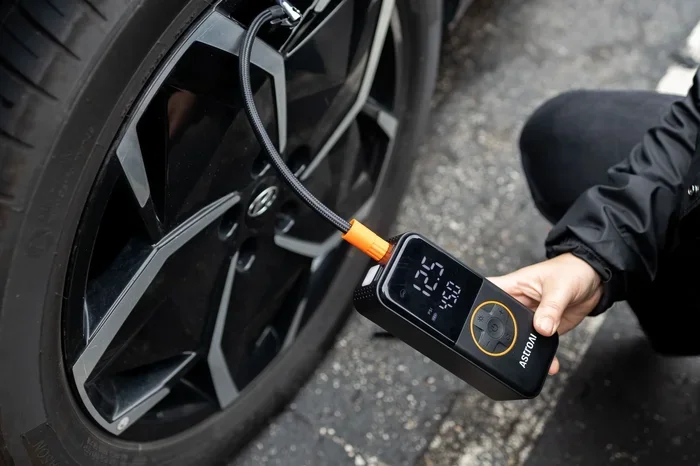
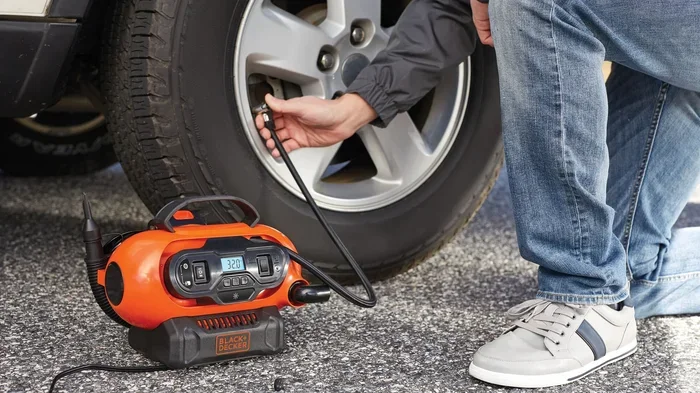
A portable air compressor is a must-have for any driver. These compact devices plug into your car’s 12-volt outlet and fill tires in minutes. Many models come with built-in pressure gauges, so you can check and fill in one step. Look for a compressor with a max PSI rating that exceeds your recommended tire pressure. Most car tires need between 30 and 35 PSI, so a compressor rated for 100 PSI or more gives you plenty of range.
Gas Station Air Pumps
Gas stations often have air pumps available for a small fee. These work fine in a pinch, but they usually lack a built-in gauge. You will need your own tire gauge to verify the pressure after filling. Also, gas station pumps can be unreliable, delivering inconsistent airflow. Use them when you need to, but do not rely on them as your primary filling method.
Nitrogen vs. Regular Air
You may have heard about nitrogen inflation for tires. Nitrogen molecules are larger than oxygen molecules, so they seep through the tire rubber more slowly. This means your pressure stays more stable over time. Many car dealerships and tire shops offer nitrogen filling. However, regular air works perfectly fine for most drivers. The key is simply to check your pressure regularly, no matter which type of air you use.
Quick Tips for Choosing the Right Tool
- Pick a portable compressor with an automatic shutoff feature. This prevents overfilling.
- Buy a digital tire gauge for the most accurate readings at home.
- Keep a small compressor in your trunk for road trips and emergencies.
- Check the compressor’s power rating to make sure it can handle your tire size.
Common Air Filling Mistakes and How to Avoid Them
Even experienced drivers make mistakes when filling tires. Knowing what to avoid saves you time, money, and potential safety risks.
Mistake 1: Overfilling the Tires
It is tempting to add a little extra air, thinking more pressure means better performance. In reality, overinflated tires reduce the contact area with the road. This leads to a harsher ride, poor traction, and uneven center tread wear. Over time, overinflation increases the risk of a blowout, especially on hot days or rough roads. Always fill to the recommended PSI, not the maximum PSI printed on the tire.
Mistake 2: Ignoring Temperature Changes
Air pressure inside tires changes with temperature. For every 10-degree Fahrenheit drop in ambient temperature, tire pressure can decrease by about 1 PSI. This is why drivers often notice their tire pressure light coming on in winter. Cold air contracts, reducing pressure. Hot weather has the opposite effect, causing pressure to rise. Make seasonal adjustments to your tire pressure, especially during big temperature swings.
Mistake 3: Forgetting to Check the Spare Tire
Your spare tire often gets forgotten until you need it. Spare tires lose pressure over time too. Before a long road trip, give your spare a quick pressure check. A flat spare tire turns a simple fix into a major hassle.
Mistake 4: Relying Only on the TPMS Light
The tire pressure monitoring system is a safety feature, not a replacement for manual checks. The TPMS light only activates when pressure drops 25% or more below the recommended level. By the time the light comes on, your tires are already significantly underinflated. Do not wait for the warning light. Check your pressure regularly.
Mistake 5: Skipping Valve Stem Caps
Valve stem caps are small, but they serve an important purpose. They keep moisture and dirt out of the valve, which can cause slow leaks. If you lose a cap, replace it immediately. A missing cap can lead to gradual air loss that you might not notice for weeks.
Air Filling for Car in Different Seasons
Weather plays a bigger role in tire pressure than most drivers realize. Adjusting your air filling for car routine with the seasons keeps your tires performing at their best year-round.
Summer Tire Pressure Tips
Hot weather causes the air inside tires to expand. If you filled your tires in cool morning conditions, the pressure may rise by several PSI by midday. This is normal and usually not a cause for concern. However, if you notice your tires feel very hard, you may have overfilled them in the morning. Always check pressure in the cool morning, and never let air out just because the daytime reading is higher.
Winter Tire Pressure Tips
Cold weather causes air to contract, lowering tire pressure. During winter months, check your tires more frequently. You may need to add air more often. A tire that reads 3 PSI low in winter is not unusual. Make it a habit to top off your pressure as the temperature drops.
Humidity and Altitude Considerations
Humid air and changes in altitude can also affect tire pressure. Moisture inside the valve can cause slight pressure fluctuations. If you live at high altitude, the lower atmospheric pressure can make your tires read slightly higher than at sea level. These are small effects, but they are worth knowing about if you are chasing perfect pressure readings.
When to Seek Professional Help for Tire Inflation
Most of the time, air filling for car is a simple DIY task. But some situations call for a professional touch.
Signs You Need Professional Help
- You frequently lose air in the same tire, indicating a possible leak.
- The valve stem looks damaged or corroded.
- Your tire shows visible bulges or cracks.
- The rim seal appears compromised, causing a slow leak.
- Your TPMS sensor keeps triggering even after proper filling.
Benefits of Professional Tire Services
Professional tire shops have advanced equipment for detecting slow leaks, balancing tires, and performing tire repair services. They can also inspect your tires for uneven wear patterns that suggest alignment or suspension problems. Regular professional inspections, combined with your own monthly checks, give you the best of both worlds. You stay on top of day-to-day pressure, and a professional handles the deeper diagnostics.
Many tire shops also offer free pressure checks and top-offs. It costs nothing and takes just a few minutes. Taking advantage of these services is an easy way to stay safe and save money on tire replacements in the long run.
Key Takeaways
Air filling for car tires is a small habit that delivers big results. It improves your safety on the road, boosts fuel efficiency, and extends the life of your tires. Check your pressure monthly, use the right tools, avoid common mistakes, and adjust for seasonal changes. When in doubt, seek professional help. Your tires are the only part of your car that touches the road, so treat them well.
Take a few minutes today to check your tire pressure. It is one of the easiest ways to take better care of your car and protect yourself every time you drive. Small actions lead to big savings, and a well-maintained car gives you peace of mind on every trip.
Frequently Asked Questions
How often should I check my tire pressure?
You should check your tire pressure at least once a month. Temperature changes, slow leaks, and normal air loss through the valve can all affect pressure over time. A quick monthly check takes only a few minutes and keeps your tires in great shape.
What PSI should my car tires be at?
The recommended PSI for your car is listed on the sticker inside the driver’s side door jamb. You can also find it in your vehicle owner manual. Never use the maximum PSI printed on the tire sidewall as your target. Always follow the manufacturer’s recommendation for your specific vehicle.
Can I use a portable air compressor at home?
Yes, portable air compressors are very convenient for home use. They plug into your car’s 12-volt outlet and fill tires quickly. Look for a model with a built-in gauge and automatic shutoff to prevent overfilling. They are a great investment for any driver.
Does nitrogen filling make a big difference compared to regular air?
Nitrogen inflation helps pressure stay more stable over time because nitrogen molecules escape through the tire rubber more slowly. However, regular air works perfectly well for most drivers. The most important thing is to check and maintain your pressure regularly, regardless of the type of air you use.
Why does my tire pressure light come on in cold weather?
Cold weather causes the air inside your tires to contract, which lowers the pressure. A drop of about 1 PSI for every 10-degree Fahrenheit decrease is normal. When the pressure falls below the threshold set by your TPMS, the warning light turns on. Simply adding air to the recommended level usually fixes the issue.
Is it safe to drive on slightly underinflated tires?
Driving on slightly underinflated tires is not safe for extended periods. Underinflated tires create more friction with the road, which leads to overheating, reduced fuel economy, and uneven tire wear. Over time, this increases the risk of a blowout. Always keep your tires at the recommended pressure for safe driving.