How a Car Moves from X to Y A Complete Beginner Guide
Understanding how a car moves from X to Y starts with knowing the basic parts that work together. From the engine creating power to the wheels gripping the road, every system plays a vital role. This guide breaks it all down in simple, easy-to-follow steps for beginners.
Have you ever wondered what actually happens when you turn the key and your car rolls forward? It is easy to take it for granted. You press the gas pedal, and the car moves from X to Y without you thinking twice about the incredible chain of events happening under the hood.
But knowing how a car moves from X to Y gives you a whole new appreciation for the machine. It also helps you spot problems early, talk confidently with your mechanic, and make smarter decisions about maintenance. Whether you are a brand-new driver or just curious about how things work, this guide breaks everything down in plain, simple language.
We are going to walk through every major system involved in moving a car. From the tiny explosion inside a cylinder to the rubber touching the road, nothing is left out. By the end, you will understand the full journey your car takes every single time you drive somewhere.
Key Takeaways
- The engine creates power: Combustion inside the cylinders pushes pistons, which turns the crankshaft and starts the entire movement process.
- The transmission controls speed: Gears adjust how much power reaches the wheels, letting your car move slowly or fast depending on the situation.
- The drivetrain delivers force: Axles, differentials, and joints transfer energy from the engine all the way to the wheels.
- Tires and friction matter: Without proper grip, even the most powerful car cannot move forward efficiently or stop safely.
- Braking systems slow you down: Moving from X to Y also means knowing how your car stops, which relies on brake pads, rotors, and hydraulic pressure.
- Regular maintenance keeps things smooth: Simple checks on fluid levels, tire pressure, and belt conditions prevent most movement-related problems.
📑 Table of Contents
- How a Car Moves from X to Y: The Basic Process
- The Engine: Where the Power Starts
- The Transmission: Gears That Get You Moving
- The Drivetrain: Delivering Power to the Wheels
- The Wheels and Tires: What Actually Touches the Road
- The Braking System: Stopping Is Part of Moving
- Common Issues That Affect How Your Car Moves
- Quick Tips to Keep Your Car Moving Smoothly
- Key Takeaways
- Conclusion
How a Car Moves from X to Y: The Basic Process
At its core, moving a car is about converting energy into motion. The engine creates energy. The transmission controls it. The drivetrain delivers it. And the wheels use it to push the car forward. Let us walk through this step by step so it all makes sense.
When you start your car, the battery sends power to the starter motor. That motor spins the engine. Inside the engine, fuel and air mix and ignite in small, controlled explosions. These explosions push pistons up and down. The pistons turn a shaft called the crankshaft. That rotation is the very first step in how a car moves from X to Y.
From there, the crankshaft sends rotational energy to the transmission. The transmission uses a set of gears to either multiply or reduce that energy. Low gears give you more force for starting from a stop. High gears let you cruise at speed without straining the engine. The transmission then passes the energy through the drivetrain to the wheels.
Here is a simple way to think about it. Imagine you are pushing a heavy box across a room. You would push hard at first to get it moving. Once it is rolling, you could push more gently to keep it going. That is exactly what your gears do. They match the amount of force to what the situation needs.
Why Understanding This Matters
You might be thinking, “Why do I need to know all this?” Great question. When you understand the basics, you can better understand warning signs. A strange noise from the engine bay, a shudder when shifting gears, or a vibration through the steering wheel all start to make sense. You are not just guessing anymore. You are connecting the dots.
Plus, understanding how a car moves from X to Y helps you appreciate modern technology. Features like cruise control, traction control, and even hybrid powertrains all build on these same basic principles. Once you know the foundation, the advanced stuff becomes much easier to grasp.
The Engine: Where the Power Starts
The engine is the heart of your vehicle. Without it, your car would sit still no matter what you do with the pedals or the steering wheel. Let us look at how the engine creates the raw power needed to get you from point A to point B.
How Combustion Creates Motion
Most cars on the road today use what is called an internal combustion engine. That is a fancy way of saying fuel burns inside the engine to create motion. Here is how it works in simple terms.
- Air and fuel enter the cylinder: The intake valve opens, and a precise mixture of air and fuel flows into the combustion chamber.
- The spark plug ignites the mixture: A tiny spark causes a controlled explosion that pushes the piston downward.
- The piston returns up: It compresss the leftover gases and pushes them out through the exhaust valve.
- This cycle repeats thousands of times per minute: Each explosion adds a tiny push, and together they create continuous rotation.
The up-and-down motion of the pistons connects to the crankshaft. The crankshaft converts that linear motion into rotational motion. That rotation is what ultimately makes the car move from X to Y.
Horsepower and Torque Explained Simply
You have probably heard the words “horsepower” and “torque” thrown around. They sound technical, but they are really quite simple.
Torque is the twisting force that gets the car moving. It is what you feel when you press the gas pedal and the car surges forward from a stop. Horsepower is how fast that force can be applied. More horsepower means higher top speeds and quicker acceleration.
Both torque and horsepower work together. A truck might have lots of torque to haul heavy loads but lower top speed. A sports car might have high horsepower for speed but less low-end torque. Understanding this helps you pick the right car for your needs.
Different Engine Types
Not all engines are the same. Here are the most common types you will encounter.
- Inline-four engine: Four cylinders lined up in a row. Common in most everyday sedans and compact cars. Reliable and efficient.
- V6 engine: Six cylinders arranged in a V shape. Offers a good balance of power and efficiency. Found in many mid-size vehicles.
- V8 engine: Eight cylinders in a V configuration. Known for strong performance. Often found in trucks and high-performance cars.
- Flat engine (boxer): Cylinders lay flat and oppose each other. Low center of gravity improves handling. Used by some brands like Subaru.
- Electric motor: No combustion at all. Uses battery power to create instant torque. Found in electric vehicles like Teslas and Nissan Leafs.
Each engine type has its strengths. The internal combustion engine has powered cars for over a century, but electric motors are rapidly changing the landscape. Regardless of the type, the goal is the same: create rotational energy that moves the car forward.
The Transmission: Gears That Get You Moving
If the engine is the heart, the transmission is the brain that controls how power flows. Without a transmission, your car would only be able to go one speed. You would struggle to start from a stop and also struggle to go fast. The transmission solves this problem beautifully.
How Gears Work
A transmission contains a set of gears with different sizes. Small gears drive large gears for more force, and large gears drive small gears for more speed. When you shift gears, you are essentially changing the ratio between the engine and the wheels.
When you are stopped at a red light and the light turns green, you need a lot of force to get the car moving. First gear gives you that force. As you pick up speed, you shift to second gear, then third, and so on. Each shift balances force and speed to match your current situation.
This is why understanding how a car moves from X to Y means understanding gears. They are the bridge between raw engine power and smooth, controlled movement.
Manual vs Automatic Transmissions
There are two main types of transmissions in most cars today.
Manual transmission requires you to press a clutch pedal and shift gears yourself. Some drivers love the control and engagement it provides. It also tends to use slightly less fuel when driven well.
Automatic transmission shifts gears for you using a hydraulic system or electronic controls. It is more convenient, especially in heavy traffic. Most new cars sold today come with automatic transmissions.
There is also the continuously variable transmission (CVT), which uses a belt and pulley system instead of fixed gears. It provides seamless acceleration without any noticeable gear shifts. Many modern hybrids and economy cars use CVTs.
Common Transmission Problems to Watch For
Your transmission works hard, and over time it can develop issues. Here are some warning signs to keep in mind.
- Slipping gears: The car feels like it is changing gears on its own or losing power.
- Delayed engagement: There is a long pause when you shift from park to drive.
- Rough shifting: You feel a jolt or shudder when the transmission changes gears.
- Fluid leaks: Red or brown fluid under your car could mean a transmission seal is failing.
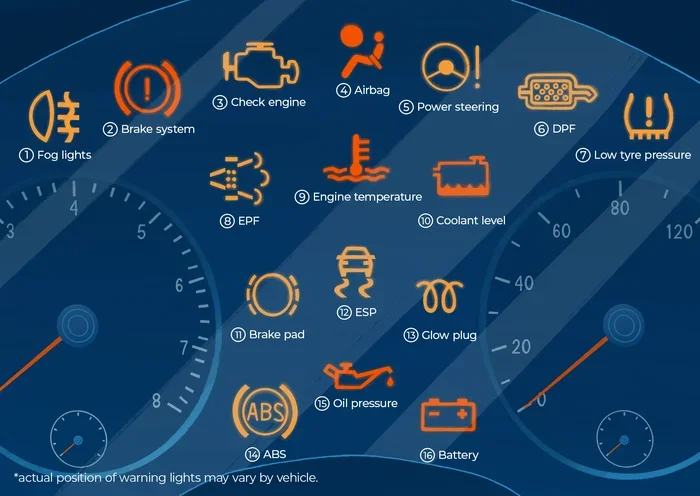
- Check engine light: Many transmission issues trigger the check engine light on your dashboard.
If you notice any of these signs, get your car checked sooner rather than later. Transmission repairs can be expensive, so catching problems early saves money.
The Drivetrain: Delivering Power to the Wheels
The drivetrain is the system that carries rotational energy from the transmission to the wheels. It is a chain of components that work together to make sure power reaches the ground where it can actually move the car.
Key Drivetrain Components
Let us break down the main parts of a drivetrain.
- Driveshaft: A long rotating rod that transfers power from the transmission to the wheels at the other end. It spins at high speed and must be perfectly balanced.
- Universal joints (U-joints): These flexible connections allow the driveshaft to move up and down with the suspension while still spinning smoothly.
- Differential: This is a gearbox that splits power between the left and right wheels. It also allows the wheels to spin at different speeds when turning. Without a differential, the tires would scrub and wear unevenly on corners.
- Axles: These are the shafts that connect the differential to each wheel. They bear the weight of the car and transmit the driving force to the ground.
- CV joints (constant velocity joints): Found on front-wheel-drive cars, these allow the axle to bend while maintaining constant speed. They are covered by rubber boots that hold in grease and keep out dirt.
All of these parts work in harmony. When one fails, it affects how the entire car moves from X to Y. A worn U-joint might cause a vibration at highway speeds. A bad differential might cause a whining noise during turns. Small problems can snowball fast if ignored.
Front-Wheel Drive vs Rear-Wheel Drive vs All-Wheel Drive
The drivetrain layout determines which wheels receive power. This choice affects handling, traction, and fuel economy.
| Drivetrain Type | How It Works | Best For | Fuel Economy |
|---|---|---|---|
| Front-Wheel Drive (FWD) | Power goes to the front wheels only | Daily driving, fuel efficiency, compact cars | Better |
| Rear-Wheel Drive (RWD) | Power goes to the rear wheels only | Performance cars, trucks, towing | Moderate |
| All-Wheel Drive (AWD) | Power goes to all four wheels | Snow, off-road, improved traction | Lower |
| Four-Wheel Drive (4WD) | Driver-selectable power to all four wheels | Off-road, heavy-duty tasks | Lowest |
Most family sedans and crossovers use front-wheel drive because it is lighter and more efficient. Sports cars and trucks often use rear-wheel drive for better handling balance. AWD and 4WD systems add grip but also add weight and reduce fuel economy.
The Wheels and Tires: What Actually Touches the Road
All the power in the world does nothing if the wheels cannot grip the road. The tires are the final link in the chain that makes a car move from X to Y. They are also one of the most overlooked parts of the vehicle.
How Tires Create Movement
When the axle turns the wheel, the tire pushes against the road surface. The friction between the rubber and the pavement is what propels the car forward. This same friction is what allows you to brake, turn, and accelerate safely.
Without enough friction, the wheels just spin in place. Think about driving on ice. The tires have nothing to grip, so the car slides. Tread patterns on tires are designed to channel water away and maintain contact with the road surface. That is why bald tires are so dangerous in wet conditions.
Tire Pressure and Its Role in Movement
Keeping your tires properly inflated is one of the simplest things you can do. Under-inflated tires create more rolling resistance, which means the engine has to work harder. This reduces fuel economy and can cause uneven tire wear.
Over-inflated tires, on the other hand, reduce the contact patch. That means less grip and a harsher ride. Check your tire pressure at least once a month. The recommended pressure is usually listed on a sticker inside the driver’s door frame or in the owner’s manual.
Choosing the Right Tires
Not all tires are created equal. Different tires are designed for different conditions and driving styles.
- All-season tires: Good for most conditions. A balanced choice for everyday driving.
- Summer tires: Offer the best grip on dry and wet roads. Not suitable for snow or ice.
- Winter tires: Soft rubber compound stays flexible in cold temperatures. Deep tread patterns bite into snow and ice.
- Performance tires: Wider tread for better cornering grip. Common on sports cars.
- All-terrain tires: Designed for both pavement and off-road use. Common on SUVs and trucks.
Choosing the right set of tires can completely change how your car feels on the road. Better tires improve acceleration, braking distance, and cornering stability.
The Braking System: Stopping Is Part of Moving
We often focus on how a car moves, but stopping is just as important. A car that cannot stop safely is a car that cannot move safely either. The braking system works hand in hand with the drivetrain to give you full control over your vehicle.
How Disc Brakes Work
Most modern cars use disc brakes on all four wheels. When you press the brake pedal, hydraulic fluid pushes the brake calipers to squeeze brake pads against a rotating disc called a rotor. The friction between the pads and the rotor slows the wheel down and eventually stops the car.
This system is simple, effective, and reliable. But it does wear out over time. Brake pads are designed to be replaced periodically. Ignoring worn brake pads can damage the rotors and reduce braking performance.
ABS and Electronic Braking Aids
Most cars today come with anti-lock braking systems (ABS). ABS prevents the wheels from locking up during hard braking. This lets you steer while stopping, which can be a lifesaver in emergency situations.
Electronic brakeforce distribution (EBD) automatically adjusts how much braking force goes to each wheel based on load and road conditions. Together, these systems make moving from X to Y much safer.
Brake Maintenance Tips
- Have your brake pads inspected every 12,000 to 15,000 miles.
- Listen for grinding or squealing sounds when braking.
- Check brake fluid levels regularly and flush the system as recommended.
- Replace brake fluid every 2 years or as specified by your manufacturer.
- Do not ride the brakes on downhill slopes. Use engine braking instead.
Taking care of your brakes ensures that your car can not only move but also stop when you need it to. Both functions are equally important for safe driving.
Common Issues That Affect How Your Car Moves
Even with regular maintenance, things go wrong from time to time. Knowing the most common issues can help you stay ahead of problems and keep your car moving reliably.
Low Tire Pressure
This is the simplest problem and one of the most common. A tire that is even slightly under-inflated creates more resistance. The engine has to work harder, and your fuel economy drops. You might also notice the car pulling to one side or feeling sluggish during acceleration.
Worn Spark Plugs
Spark plugs ignite the fuel-air mixture in the engine. Over time, they wear out and become less effective. Worn spark plugs can cause rough idling, poor acceleration, and reduced fuel economy. Replacing them is inexpensive and easy.
Clogged Fuel Filter
The fuel filter keeps dirt and debris from reaching the engine. When it becomes clogged, less fuel reaches the cylinders. This can cause hesitation during acceleration and a noticeable loss of power. Most fuel filters should be replaced every 30,000 to 40,000 miles.
Transmission Fluid Breakdown
Transmission fluid lubricates and cools the internal components. Over time, it breaks down and loses its effectiveness. Old fluid can cause rough shifting, delayed engagement, and even transmission damage. Regular fluid changes go a long way toward preventing costly repairs.
Worn Suspension Components
The suspension system includes shocks, struts, bushings, and control arms. These parts absorb road imperfections and keep the tires in contact with the pavement. Worn suspension parts can cause a bumpy ride, poor handling, and uneven tire wear. They also affect how stable the car feels when moving at higher speeds.
Exhaust System Restrictions
A clogged catalytic converter or exhaust pipe can restrict the flow of exhaust gases. This creates back pressure that reduces engine performance. You might notice a loss of power, reduced fuel economy, or a loud rumbling sound from the exhaust.
Quick Tips to Keep Your Car Moving Smoothly
Here are some practical tips that anyone can follow to keep their car running well and moving efficiently from one place to another.
- Check your fluids monthly. Engine oil, transmission fluid, brake fluid, and coolant all play roles in how your car moves. Low or dirty fluids cause problems.
- Keep your tires properly inflated. This single step improves fuel economy, handling, and tire life.
- Drive smoothly. Avoid hard acceleration and sudden braking. Smooth driving reduces wear on all moving parts.
- Follow the maintenance schedule. Your owner’s manual has a detailed maintenance plan. Stick to it and you will avoid most major issues.
- Listen to your car. Unusual sounds, vibrations, or smells are early warning signs. Address them before they become expensive repairs.
- Keep it clean. Regular washing and waxing protect the body and undercarriage from rust and corrosion. Clean air filters help the engine breathe better.
Key Takeaways
- The engine creates power: Combustion inside the cylinders pushes pistons, which turns the crankshaft and starts the entire movement process.
- The transmission controls speed: Gears adjust how much power reaches the wheels, letting your car move slowly or fast depending on the situation.
- The drivetrain delivers force: Axles, differentials, and joints transfer energy from the engine all the way to the wheels.
- Tires and friction matter: Without proper grip, even the most powerful car cannot move forward efficiently or stop safely.
- Braking systems slow you down: Moving from X to Y also means knowing how your car stops, which relies on brake pads, rotors, and hydraulic pressure.
- Regular maintenance keeps things smooth: Simple checks on fluid levels, tire pressure, and belt conditions prevent most movement-related problems.
Conclusion
Understanding how a car moves from X to Y is not just for mechanics or car enthusiasts. It is knowledge that every driver can benefit from. When you know how the engine, transmission, drivetrain, wheels, and brakes all work together, you become a more informed and confident driver.
The journey from one point to another involves a remarkable chain of events. Tiny explosions in cylinders. Gears shifting thousands of times during a single trip. Rotating shafts, spinning wheels, and friction between rubber and pavement. It all comes together every time you turn the key and press the pedal.
Take the time to learn your own vehicle. Read the owner’s manual. Ask your mechanic questions. Pay attention to how the car feels and sounds during normal driving. These small efforts add up to big benefits over time. You will catch problems earlier, save money on repairs, and enjoy a smoother, safer driving experience.
Cars are complex machines, but the basics are straightforward. Power starts in the engine. The transmission manages it. The drivetrain delivers it. The wheels and tires put it to work. And the brakes bring everything to a safe stop. Every part has a job, and every part matters. Now that you understand how it all fits together, you are better equipped to take care of your car and get the most out of every drive.
Frequently Asked Questions
What is the simplest way to explain how a car moves from X to Y?
The engine creates rotational energy through controlled explosions. The transmission adjusts the speed and force of that energy using gears. The drivetrain transfers it to the wheels, and the tires grip the road to push the car forward. It is a chain of energy conversion from fuel to motion.
Why does my car jerk when moving from a stop?
A jerky start can be caused by several things. Worn clutch plates in a manual car are a common culprit. In automatic cars, low transmission fluid or a failing torque converter can cause the same issue. It is best to have a mechanic diagnose the exact cause early.
Does tire pressure really affect how a car moves?
Yes, absolutely. Under-inflated tires create more rolling resistance, which means the engine works harder and uses more fuel. Over-inflated tires reduce grip and make the ride harsher. Proper pressure ensures the best balance of comfort, safety, and efficiency.
How often should I change my transmission fluid?
Most manufacturers recommend changing transmission fluid every 60,000 to 100,000 miles. However, if you drive in heavy traffic or tow heavy loads, you may need to change it more frequently. Check your owner’s manual for the specific schedule for your vehicle.
What is the difference between AWD and 4WD when moving a car?
AWD sends power to all four wheels automatically at all times. It is designed for on-road use and improves traction in rain or light snow. 4WD is driver-activated and is designed for off-road or extreme low-traction conditions. It locks the front and rear axles together for maximum grip.
Can a car move without a differential?
Technically yes, but it would cause serious problems. Without a differential, both wheels are forced to spin at the same speed. This makes turning very difficult and causes the tires to scrub against the road, leading to rapid wear and potential damage to the drivetrain.
=== CONCLUSION ===
Now you have a solid understanding of how a car moves from X to Y. From the engine’s combustion cycle to the tires gripping the pavement, every system plays a crucial role. Keep this knowledge in mind the next time you get behind the wheel, and you will appreciate the incredible engineering that makes modern driving possible.
Take care of your car, stay curious, and keep learning. The road ahead is full of possibilities when you understand the machine beneath you.