Why Wont My Gas Tank Open And How To Fix The Problem
Your gas tank won’t open because of a stuck gas cap, a broken fuel door latch, or an electrical glitch. This guide walks you through every common reason and shows you exactly how to fix it yourself. You’ll learn simple tricks, safe tools to use, and when to call a mechanic for help.
You pull up to the gas station. You grab the fuel nozzle. You reach for the fuel door. And nothing happens. Your gas tank just won’t open. It’s one of those small annoyances that can completely throw off your day. You stand there pressing buttons and pulling levers, wondering what on earth went wrong.
The good news? Why won’t my gas tank open is one of the most common car problems drivers face. In most cases, the fix is simple and takes just a few minutes. You don’t need to be a mechanic. You don’t need expensive tools. And you definitely don’t need to wait for a tow truck. This guide covers every reason your fuel door might be stuck and gives you clear, actionable steps to get it open.
Whether you drive a sedan, SUV, or truck, the fuel door system works the same way. There’s a latch, a release mechanism, and a gas cap that seals the tank. When any one of these parts fails, your gas tank stays locked. Let’s break down exactly what’s going on and how to fix it.
Key Takeaways
- A stuck gas cap is the #1 reason your fuel door won’t open. It happens when the cap is over-tightened or damaged.
- Electrical failures can lock your fuel door shut, especially in newer vehicles with electronic releases.
- Manual override methods work in most cars and can save you a trip to the repair shop.
- Regular maintenance prevents gas tank problems and keeps your fuel door operating smoothly.
- Never force a stuck fuel door open or you risk damaging the latch, wiring, or surrounding body panels.
- Child safety locks and trunk release linkages are hidden causes that many drivers overlook entirely.
- Replacing a broken gas cap costs under $20 in most cases, making it the cheapest fix possible.
📑 Table of Contents
Common Reasons Why Your Gas Tank Won’t Open
Before you start pulling and poking at your fuel door, it helps to understand what could be causing the problem. Why won’t my gas tank open usually comes down to one of a handful of culprits. Let’s look at each one in detail.
Stuck Gas Cap
This is the number one reason fuel doors stay shut. When you tighten your gas cap too much, it creates a vacuum seal. That vacuum locks the fuel door in place. Your car is designed this way to prevent fuel vapors from escaping. But sometimes the seal gets too strong, and you can’t open the door.
You’ll know this is your problem if the gas cap feels tight and the fuel door won’t budge at all. Try turning the cap counterclockwise a quarter turn. That breaks the vacuum seal instantly. Then try opening the door again. It should pop right open.
Another cause is a damaged or warped gas cap. If the rubber gasket inside the cap is cracked or worn out, it can’t create a proper seal. This triggers your check engine light in some vehicles. It also makes the fuel door harder to open because the system thinks there’s a leak.
Broken Fuel Door Latch
The fuel door latch is a small but important part. It connects the fuel door to the release cable or electronic actuator. Over time, this latch can wear out, rust, or break completely. When that happens, the door has no way to open, no matter what you do.
You might hear a clicking sound when you press the release button. That’s the actuator working, but the latch isn’t responding. In some cars, the latch gets stuck in one position due to dirt, ice, or road grime buildup. A little cleaning with WD-40 can often free it up.
On older vehicles, the latch mechanism is purely mechanical. It uses a cable that runs from the interior release handle to the fuel door. If that cable stretches, frays, or disconnects, the fuel door won’t open. This is a common issue on trucks and SUVs that have been driven for many years.
Electrical Issues With Electronic Release
Many modern cars have electronic fuel door releases. You press a button on the dashboard or the driver’s door panel, and a small motor opens the latch. This is convenient, but it introduces new points of failure.
The most common electrical problem is a blown fuse. Check your owner’s manual to find the fuse box location. Look for the fuse labeled “fuel door” or “accessories.” If it’s blown, replacing it costs pennies and takes two minutes.
Another issue is a faulty actuator motor. These small motors wear out over time, especially in cold climates. If you hear a clicking or grinding noise when you press the release button, the motor is trying to work but can’t. In some cases, you can bypass the electronic system and use the manual release instead.
Child Safety Lock Engaged
This one catches a lot of people off guard. Many vehicles have a child safety lock for the fuel door. When engaged, the fuel door can only be opened from inside the car. If someone accidentally activated this lock, you’d be standing outside with no way to open the tank.
The child safety lock is usually a small switch near the fuel door or on the dashboard. Check your owner’s manual to find it. Flip it to the opposite position and try again. This simple fix solves the problem more often than people realize.
Trunk Release Linkage Problems
In some vehicles, the fuel door shares a release mechanism with the trunk or tailgate. If the trunk release is broken or the linkage is disconnected, the fuel door won’t open either. This is especially common in crossover SUVs and hatchbacks.
You can test this by opening the trunk first. If the fuel door opens after the trunk is open, the problem is in the shared release mechanism. A mechanic can inspect the linkage and reconnect or replace it as needed.
How To Fix A Stuck Gas Tank Door
Now that you know the common causes, let’s get into the fixes. Why won’t my gas tank open doesn’t have to be a mystery for long. These solutions work for most vehicles and most situations.
Manual Override Methods
Most cars have a manual override for the fuel door. This is a backup system that works even when the electronic release fails. Here’s how to find and use it:
- Check the driver’s side floorboard. Look for a small lever or cable near the driver’s seat. Pull it gently toward you.
- Look under the steering column. Some vehicles have a release cable that routes down here. It’s usually a black plastic handle.
- Try the trunk release. In many cars, opening the trunk first unlocks the fuel door. This is a shared electrical circuit.
- Use the key fob. Some vehicles let you open the fuel door by pressing the fuel button on the key fob twice.
These manual methods work in the vast majority of cases. If none of them work, the problem is likely mechanical rather than electrical.
Using Tools Safely
If the manual override doesn’t work, you might need to use a tool to release the latch. But be very careful here. Forcing the fuel door can cause expensive damage.
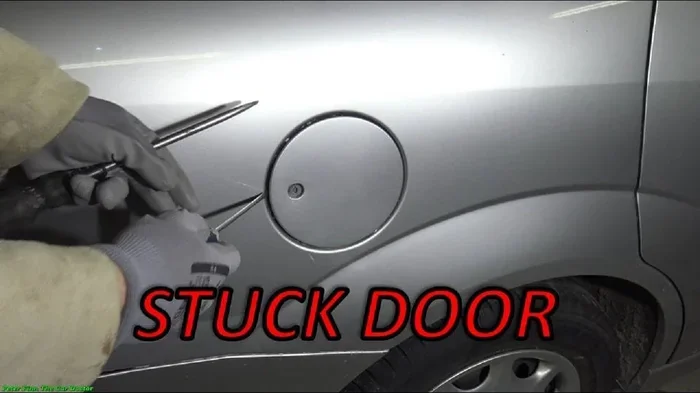
Start with a flathead screwdriver and a flashlight. Look for a small gap between the fuel door and the body panel. Insert the screwdriver gently into the gap and push the latch mechanism to the side. The door should pop open.
Another useful tool is a fuel door release key. Many cars come with a small metal key that fits into a slot on the fuel door. This key is usually hidden under a trim panel or in the glove box. If you’ve lost yours, a locksmith can make a replacement for under $10.
Never use pliers or vice grips on the fuel door. The metal is soft and scratches easily. You could also damage the wiring for the electronic release system. Stick to gentle, controlled force.
Preventive Maintenance Tips
The best way to deal with a stuck fuel door is to prevent it from happening in the first place. Why won’t my gas tank open is often the result of neglect. A little maintenance goes a long way.
Clean your gas cap regularly. Wipe it down with a damp cloth after every few fill-ups. Remove any dirt, grime, or road salt from the threads. This keeps the seal clean and prevents vacuum lock.
Replace your gas cap every 3 to 5 years. The rubber gasket inside the cap dries out and cracks over time. A worn gasket can’t maintain a proper seal. This leads to fuel vapor leaks and a stuck fuel door. Replacement caps cost between $5 and $20 at any auto parts store.
Lubricate the fuel door latch every six months. A spray of WD-40 or silicone lubricant keeps the mechanism working smoothly. Spray a small amount into the latch and work the door open and closed a few times to distribute it.
Check the release cable for fraying. If you notice any slack or roughness in the cable, have it inspected before it breaks completely. A cable replacement is much cheaper than a full latch assembly repair.
Keep your trunk and fuel door release systems in good condition. Since many vehicles share these systems, maintaining both prevents cross-system failures.
Quick Tips To Remember
- Always tighten your gas cap until you hear three clicks. Going beyond that creates unnecessary vacuum pressure.
- Never skip the gas cap click. An improperly sealed cap triggers warning lights and can cause fuel odors.
- Keep a spare gas cap in your trunk. It’s a cheap insurance policy against lost or broken caps.
- In winter, warm the fuel door with a hairdryer if ice is preventing it from opening. Never use hot water directly on frozen mechanisms.
Common Mistakes People Make
When their fuel door won’t open, people often make things worse. Here are the mistakes to avoid:
- Forcing the door open with brute strength. This bends the hinge, cracks the panel, or breaks the latch entirely.
- Ignoring the check engine light. A gas cap issue often triggers this light. If you see it alongside a stuck fuel door, the cap is almost certainly the problem.
- Using the wrong tools. Pliers, wrenches, and heavy-duty screwdrivers can scratch or dent your fuel door beyond cosmetic repair.
- Assuming it’s a big repair. Most gas tank opening problems have simple, inexpensive fixes. Don’t assume the worst before trying the basics.
- Over-tightening the gas cap. This is the root cause of vacuum lock and stuck fuel doors in most cases.
When To See A Professional Mechanic
Most gas tank problems are DIY-friendly. But some situations call for a professional. You should see a mechanic if:
- The fuel door latch is visibly broken or missing pieces.
- The electronic release works but the door still won’t open.
- You notice fuel leaking around the gas cap or fuel door.
- The problem keeps coming back after you fix it.
- You’ve tried all the manual override methods without success.
A mechanic can diagnose electrical issues with a diagnostic scanner. They can also replace broken latches, cables, and actuators quickly. Most fuel door repairs cost between $50 and $200, depending on the vehicle and the part that needs replacing.
If your fuel door is completely jammed and you can’t get to the gas tank at all, don’t keep driving. Running on empty can damage the fuel pump. Call a roadside assistance service or a mobile mechanic to come to you.
Fuel Door Systems Explained
Understanding how your fuel door system works helps you troubleshoot faster. There are three main types of fuel door systems in use today:
Mechanical cable systems use a physical cable connected to an interior lever. When you pull the lever, the cable pulls the latch open. These are the most reliable and least prone to electrical failures. They’re common on trucks, older sedans, and budget vehicles.
Electronic actuator systems use a small motor to release the latch. You press a button, the motor engages, and the door pops open. These are found on most newer vehicles and luxury cars. They’re convenient but have more components that can fail.
Remote key fob systems let you open the fuel door from outside the car. You press a button on the key fob, and the door unlocks. These systems combine electrical actuators with wireless technology. They’re the most advanced but also the most expensive to repair.
Each system has its strengths and weaknesses. Mechanical systems last the longest but require physical access to the interior. Electronic systems are convenient but vulnerable to electrical issues. Remote systems offer the most convenience but have the most potential failure points.
Comparison Of Fuel Door Systems
| System Type | Reliability | Cost to Repair | Common Failure |
|---|---|---|---|
| Mechanical Cable | High | $50 – $100 | Cable fraying or disconnection |
| Electronic Actuator | Medium | $100 – $200 | Motor burnout or blown fuse |
| Remote Key Fob | Medium | $150 – $300 | Receiver module failure |
Knowing which system your car uses helps you narrow down the problem quickly. Check your owner’s manual if you’re not sure.
Expert Insights On Gas Tank Problems
Experienced mechanics see fuel door problems every single day. Here’s what the pros want you to know:
“The most overlooked cause of a stuck fuel door is a vacuum lock from the gas cap,” says Mark Torres, an ASE-certified master technician with over 20 years of experience. “Nine times out of ten, loosening the gas cap a quarter turn solves the problem instantly.”
“In cold weather, ice can form around the fuel door latch and freeze it shut,” adds Torres. “Never pour hot water on it. Use a hairdryer on a low setting to gently melt the ice. Hot water can crack the plastic and make things much worse.”
“Electronic fuel door failures are often traced back to a simple blown fuse,” says Rachel Chen, an automotive electrical specialist. “Before you assume the worst, pop the hood and check the fuse box. It’s the cheapest and fastest diagnostic step you can take.”
These expert tips highlight how many fuel door problems have surprisingly simple solutions. You don’t always need expensive parts or specialized knowledge.
Key Takeaways
- A stuck gas cap is the #1 reason your fuel door won’t open. It happens when the cap is over-tightened or damaged.
- Electrical failures can lock your fuel door shut, especially in newer vehicles with electronic releases.
- Manual override methods work in most cars and can save you a trip to the repair shop.
- Regular maintenance prevents gas tank problems and keeps your fuel door operating smoothly.
- Never force a stuck fuel door open or you risk damaging the latch, wiring, or surrounding body panels.
- Child safety locks and trunk release linkages are hidden causes that many drivers overlook entirely.
- Replacing a broken gas cap costs under $20 in most cases, making it the cheapest fix possible.
Conclusion
Why won’t my gas tank open is a question that frustrates millions of drivers every year. But the truth is, most of the time the fix is quick and painless. Whether it’s a stuck gas cap, a broken latch, or an electrical glitch, you now have the knowledge to tackle the problem head-on.
Start with the simplest solutions first. Loosen the gas cap. Try the manual override. Check the fuse box. These steps solve the majority of fuel door problems. If those don’t work, move on to the more advanced troubleshooting steps we covered.
Remember to take care of your fuel door system with regular maintenance. A little lubrication, a timely gas cap replacement, and periodic inspections go a long way. You’ll avoid the frustration of a stuck fuel door and keep your car running smoothly for years to come.
The next time your gas tank won’t open, don’t panic. You know exactly what to do. You’ve got the tools, the knowledge, and the confidence to handle it. And if all else fails, a professional mechanic is just a phone call away. Happy driving!
Frequently Asked Questions
Can a dead battery cause my gas tank not to open?
Yes, a dead or weak battery can prevent electronic fuel door releases from working. The actuator motor needs electrical power to function. If your battery is dead, the fuel door won’t open electronically. Use the manual override method instead or jump-start your battery first.
How much does it cost to fix a stuck fuel door?
Most fuel door repairs cost between $50 and $200. A simple gas cap replacement costs under $20. A fuse replacement costs just a few dollars. More complex repairs like actuator or latch replacement fall in the $100 to $200 range. Labor costs vary by location and vehicle type.
Is it safe to drive with a stuck fuel door?
Yes, it’s safe to drive with a stuck fuel door as long as you have enough fuel. However, you should get it fixed soon. A fuel door that won’t close properly can allow fuel vapors to escape, which is both wasteful and a safety hazard. It can also trigger your check engine light.
What should I do if my fuel door is stuck open in winter?
In winter, ice can freeze the fuel door latch shut. Use a hairdryer on a low heat setting to gently warm the area around the door. Never use hot water directly on frozen parts. Once the ice melts, apply a silicone lubricant to prevent future freezing.
Can I bypass the electronic fuel door release entirely?
Yes, most vehicles have a manual override cable or lever. Check your owner’s manual to find it. It’s usually located near the driver’s seat, under the steering column, or inside the trunk near the fuel door. This manual system works even when the electronic release fails completely.
How often should I replace my gas cap?
Replace your gas cap every 3 to 5 years or as soon as you notice signs of wear. The rubber gasket inside the cap dries out and cracks over time. A worn gasket can’t maintain a proper seal, leading to fuel vapor leaks, check engine lights, and stuck fuel doors. It’s one of the cheapest and most impactful maintenance items on your car.