What Would Cause My AWD Light to Come On and How to Fix It
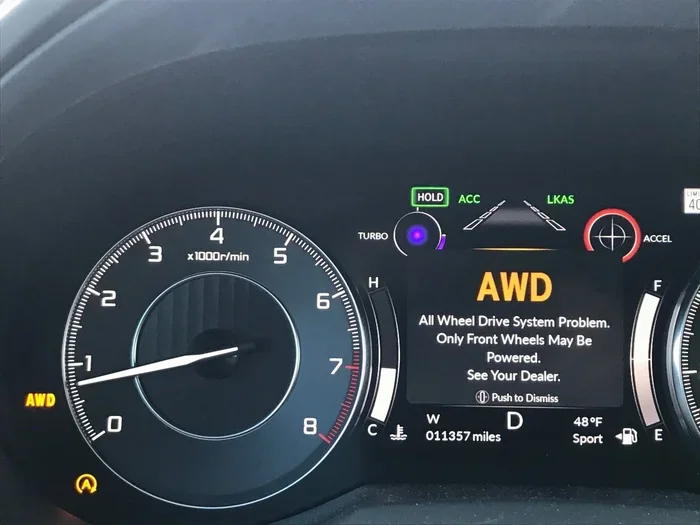
The AWD light on your dashboard signals a problem with your all-wheel drive system. What Would Cause My AWD Light to Come On? Common culprits include low AWD fluid, faulty wheel speed sensors, transfer case issues, and wiring faults. This guide walks you through the causes, DIY diagnostics, and professional fixes to get you back on the road safely.
If you’ve ever glanced at your dashboard and seen the AWD warning light glow, you know the panic that follows. What Would Cause My AWD Light to Come On? The answer isn’t always a major repair. Sometimes it’s a simple fluid top-up. Other times, it’s a sensor that needs replacing. This article explains every possible reason your all-wheel drive system is throwing a fit. You’ll learn how to diagnose the problem, what fixes you can do yourself, and when it’s time to visit a mechanic. By the end, you’ll feel confident tackling the AWD light issue head-on.
Your vehicle’s all-wheel drive system sends power to all four wheels for better grip. It relies on a complex network of sensors, fluids, and electronic controls. When something goes wrong, the AWD warning indicator lights up. Ignoring it can lead to poor traction, reduced fuel economy, or even drivetrain damage. So, let’s dive into the most common reasons your AWD light might be on and how you can fix it.
Key Takeaways
- Low AWD Fluid is the most common cause and easy to fix yourself.
- Faulty Wheel Speed Sensors trigger the light and affect traction control.
- Transfer Case Problems can leave you with two-wheel drive only.
- Wiring and Electrical Faults often hide under the vehicle and need inspection.
- AWD Module Failure requires professional diagnosis and repair.
- Regular Maintenance prevents most AWD light issues from starting.
- Don’t Ignore the Light—driving with a faulty AWD system can be unsafe.
📑 Table of Contents
What Would Cause My AWD Light to Come On?
Several things can make the AWD warning lamp appear on your dash. Each cause has its own set of symptoms and fixes. Here are the top reasons your all-wheel drive system is complaining.
Low AWD Fluid
The AWD fluid lubricates the transfer case and front and rear differentials. When the level drops, the system can’t build proper pressure. This triggers the AWD light immediately. A leak in the transfer case seal or a cracked axle housing often causes this. You might notice a grinding noise or a burning smell. Checking the fluid level is the first step. Most vehicles have a dipstick or a fill plug on the transfer case. Top it up with the exact fluid type your owner’s manual recommends.
Quick Tip: Always check the AWD fluid when the engine is cold and the car is on level ground. Hot fluid gives a false reading.
Faulty Wheel Speed Sensors
Each wheel has a speed sensor that monitors rotation. The ABS sensor and AWD system share these signals. If one sensor fails, the AWD control module loses data. The AWD warning indicator then lights up. A dirty sensor tip or a broken wiring harness often causes this. You might also see the check engine light come on. Replacing a wheel speed sensor is usually a 30-minute job. The sensor bolts onto the hub or axle. Unplug the wire, remove the bolt, and swap in the new one.
Common Mistake: Don’t assume all four sensors are bad if one fails. Replace only the faulty sensor and clear the code.
Transfer Case Malfunction
The transfer case splits engine power between the front and rear axles. It uses an electric motor or vacuum actuator to engage AWD. When this motor fails, the AWD light turns on. You may feel the car shift into two-wheel drive mode suddenly. A bad transfer case motor or a stripped gear inside the case can cause this. Listen for a clicking or grinding sound under the center console. Transfer case repairs range from a simple motor replacement to a full unit rebuild. The cost depends on your vehicle’s make and model.
Expert Insight: Some transfer cases have a software update from the manufacturer. Ask your dealer if a TCU recalibration can fix the AWD malfunction before replacing parts.
ABS Sensor Problems
The anti-lock braking system shares sensors with the all-wheel drive system. A faulty ABS sensor sends wrong data to the AWD module. This confuses the system and lights up the AWD warning. The most common sign is a pulsing brake pedal during hard stops. Dirt or metal shavings on the sensor tip often cause this. Cleaning the sensor or replacing it usually solves the problem. Reset the ABS warning light after the fix to clear the AWD fault.
Wiring and Electrical Faults
Your AWD system relies on a web of wires and connectors. A corroded ground wire or a chafed harness can break the circuit. The AWD light then comes on as a protection measure. Water intrusion under the vehicle is a common culprit. Rodents chewing through wires can also cause this. Inspect the wiring harness along the frame rail and near the rear axle. Look for green corrosion or bare copper. Repairing a wire is cheap, but finding the exact break can take patience.
Quick Tip: Use a multimeter to check for continuity in the AWD wiring. A break in the circuit shows up as infinite resistance.
AWD Control Module Failure
The AWD control module is the brain of the system. It processes sensor data and commands the AWD actuator. When the module fails, the entire system goes into limp mode. The AWD light stays on solid. Water damage, power surges, or internal solder cracks can kill the module. Replacing the module requires programming it to your vehicle’s VIN. This is a job for a dealership or a specialist with the right software. The cost is high, but it ensures the all-wheel drive system works perfectly again.
Common Mistake: Never replace the AWD module without checking the fuses and relays first. A blown AWD fuse often looks like a module failure.
Diagnosing the AWD Light at Home
You don’t need a mechanic to start diagnosing the AWD warning light. A few simple checks can point you in the right direction. Here is a step-by-step approach.
Step 1: Use an OBD-II Scanner
Plug an OBD-II scanner into the diagnostic port under your dash. Turn the key to the on position. The scanner will read trouble codes from the AWD control module. Codes like C0035 or U0100 often point to wheel speed sensor or communication faults. Write down every code. A quick online search will tell you what each code means. This narrows down the possible causes fast.
Step 2: Check the AWD Fluid
Locate the AWD fluid fill port or dipstick. Wipe it clean, reinsert it, and pull it out again. The fluid should be red or amber and smell slightly sweet. Dark, burnt fluid means the system has been overheating. Top it up if the level is low. Watch for leaks around the transfer case and axle seals. A puddle of red fluid under the car is a clear sign of a fluid leak.
Step 3: Visual Inspection
Crawl under the vehicle and look at the drivetrain components. Check the transfer case for cracks or loose bolts. Inspect the axle CV joints for torn boots. Look at the wiring harness for frayed wires or corroded connectors. A damaged wire near the rear differential is a common AWD light trigger. Use a flashlight to see clearly. Spray electrical contact cleaner on any corroded connectors.
Quick Tip: Take a photo of the wiring harness before you disconnect anything. It helps you remember the exact layout during reassembly.
Step-by-Step Fixes for Common AWD Light Issues
Once you know the cause, you can apply the right fix. Some repairs are easy DIY jobs. Others need a professional touch. Here is a breakdown of common fixes.
Topping Up AWD Fluid
If the fluid is low, buy the correct type from your parts store. Locate the fill hole on the transfer case. Remove the plug and pour the fluid in slowly. The fluid should reach the bottom of the fill hole. Replace the plug and start the engine. Let it idle for a few minutes to circulate the fluid. The AWD light should turn off after a few drive cycles. This fix costs under $30 for fluid and takes 15 minutes.
Replacing a Wheel Speed Sensor
Jack up the car and secure it on jack stands. Find the sensor at the hub or axle. Unplug the electrical connector. Remove the single bolt holding the sensor. Pull the old sensor out and slide the new one in. Reinstall the bolt and plug the connector back in. Reset the ABS and AWD warning lights with the scanner. This repair costs around $50 to $150 for the part and takes about 30 minutes.
Repairing Wiring Issues
Trace the damaged wire and cut out the bad section. Strip the ends and twist them together with a soldering iron. Cover the splice with heat-shrink tubing. Replace a whole harness if the damage is extensive. Repairing a wire costs under $10 in materials. The time depends on how hard the wire is to reach. Always check the AWD fuse after repairing wiring. A short circuit can blow the fuse again.
Replacing the AWD Control Module
This is a complex job. The module is often located in the engine bay or under the dashboard. Disconnect the battery. Unplug the wiring harness and remove the mounting bolts. Install the new module and plug in the harness. You must program the module with a dealership-level scanner. This ensures the all-wheel drive system communicates correctly with the engine and transmission. The part costs $200 to $800. Labor at a shop adds $100 to $200. This is the most expensive fix but the most thorough.
Comparison Table: AWD Light Causes and Fixes
| Cause | Fix | Typical Cost | DIY Difficulty |
|---|---|---|---|
| Low AWD Fluid | Top up or repair leak | $20–$50 | Easy |
| Faulty Wheel Speed Sensor | Replace sensor | $50–$150 | Moderate |
| Transfer Case Motor Failure | Replace motor or rebuild case | $200–$600 | Hard |
| ABS Sensor Problem | Clean or replace sensor | $50–$150 | Moderate |
| Wiring or Electrical Fault | Repair or replace wire | $10–$100 | Moderate |
| AWD Control Module Failure | Replace and program module | $200–$1000 | Hard |
When to See a Professional Mechanic
Some AWD problems are beyond a DIY fix. You should see a professional if you notice any of these signs. The AWD light flashes repeatedly instead of staying solid. The vehicle shudders or vibrates during acceleration. You hear a loud clunk when shifting from park to drive. The check engine light and AWD light both stay on after you reset them. A mechanic has the tools to test the transfer case motor and the AWD actuator properly. They can also perform a drivetrain inspection on a lift. Don’t hesitate to get help if you feel unsafe driving the vehicle.
Quick Tip: Ask the shop to scan for codes before they start work. This saves you money on unnecessary part replacements.
Preventing Future AWD Light Problems
Regular care keeps your all-wheel drive system healthy. A few habits can prevent the AWD warning light from coming back. Here is how to protect your drivetrain.
Regular Maintenance Tips
- Change AWD Fluid on Schedule: Most manufacturers recommend changing the fluid every 30,000 to 60,000 miles. Old fluid loses its lubricating properties.
- Inspect Sensors During Oil Changes: Ask your mechanic to check the wheel speed sensors and wiring for damage.
- Keep the Transfer Case Clean: Remove mud and debris from under the vehicle. Dirt buildup can clog the transfer case vent and cause pressure leaks.
- Use the Right Fluid: Always use the AWD fluid specified in your owner’s manual. Wrong fluid can damage seals and sensors.
Driving Habits That Help
Avoid spinning the wheels on slippery surfaces. Excessive wheel spin overworks the AWD system and can overheat the fluid. When you get stuck in snow, rock the vehicle gently instead of flooring the accelerator. Also, avoid towing beyond your vehicle’s rated capacity. Extra weight puts extra stress on the transfer case and differential. Gentle driving extends the life of your all-wheel drive system significantly.
Common Mistake: Many drivers ignore the AWD light for weeks. This allows small issues like low fluid to cause big damage. Address the light as soon as it appears.
Expert Insight: Some vehicles have a service interval for the AWD system that is separate from the engine oil change. Check your maintenance schedule and mark the date on your calendar. Staying on top of service prevents 90% of AWD light issues.
Final Thoughts
Seeing the AWD light on your dashboard is never fun, but it doesn’t have to mean a huge repair bill. What Would Cause My AWD Light to Come On? As we’ve covered, the reasons range from a simple fluid top-up to a failed control module. The key is to diagnose the problem early. Use an OBD-II scanner, check the fluid, and inspect the wiring. Many fixes are simple and cheap. When in doubt, trust a professional mechanic. Your all-wheel drive system is a complex and valuable part of your vehicle. Taking care of it now saves you from bigger headaches later. Drive safe, stay proactive, and keep that AWD warning light off for good.
Frequently Asked Questions
Can I drive with the AWD light on?
It is not recommended. Driving with the AWD light on means the system is not working properly. You may lose traction on wet or icy roads. In some vehicles, the system defaults to two-wheel drive mode, which can cause overheating and damage over time.
How much does it cost to fix the AWD light?
The cost varies widely. A fluid top-up costs under $50. Replacing a wheel speed sensor runs $50 to $150. A transfer case motor repair can be $200 to $600. A full AWD control module replacement with programming can exceed $1,000. Always get a diagnosis first to know the exact cost.
What does a flashing AWD light mean?
A flashing AWD warning light usually indicates a severe fault. It could mean the system has completely disengaged or there is a critical electrical failure. Pull over safely and have the vehicle towed to a repair shop if the light flashes continuously.
Will the AWD light reset itself?
Sometimes, yes. If the issue was a temporary sensor glitch, the light may turn off after a few drive cycles. However, if the root cause is not fixed, the light will come back. Always clear the code with a scanner after making a repair to confirm the fix worked.
How often should I change AWD fluid?
Most manufacturers recommend changing AWD fluid every 30,000 to 60,000 miles. Check your owner’s manual for the exact interval. If you frequently tow or drive in severe conditions, change it more often. Fresh fluid keeps the transfer case and differentials running smoothly.
Can a low battery cause the AWD light to come on?
Yes, a weak battery or low voltage can disrupt the AWD control module. The system may misinterpret sensor data and trigger the AWD warning light. If you notice the light along with other electrical issues, have the battery and alternator tested first.