What Is the Risk of Hybrids And How to Manage It Safely
The risk of hybrids includes battery degradation, higher repair costs, and insurance concerns, but most of these risks are manageable with proper care. Following the maintenance schedule, finding a qualified mechanic, and buying from reputable sources can significantly reduce your exposure to common hybrid car problems and help you enjoy the full hybrid car advantages for years to come.
Hybrid cars have grown in popularity over the last decade. More drivers are choosing the hybrid vehicle for its promise of better fuel economy and greener driving. But with any new technology comes questions. One of the biggest questions on every buyer’s mind is simple: what is the risk of hybrids?
The truth is that hybrid car problems do exist. They are not magic machines. They have complex systems that need care and attention. The good news is that most risks are manageable. With the right knowledge and a solid plan, you can enjoy all the hybrid car advantages without falling into common traps. This article walks you through every major risk and gives you practical steps to handle them. By the end, you will feel confident and informed about your hybrid car ownership journey.
Let us start by understanding what makes a hybrid vehicle different from a regular car. A hybrid engine combines a traditional gas motor with an electric motor. This dual powertrain setup is what gives hybrids their efficiency. But it also introduces components that standard cars do not have. Understanding this difference is the first step toward managing any risk of hybrids wisely.
Key Takeaways
- The risk of hybrids is real but manageable: Hybrid vehicles have unique challenges, but most owners handle them without major issues when they stay informed.
- Battery health is the biggest concern: Hybrid battery replacement can be expensive, but warranties often cover it for 8 years or 100,000 miles.
- Maintenance is your best defense: Following the service schedule strictly prevents most hybrid vehicle issues before they start.
- Find a qualified hybrid mechanic: Not every shop can properly service a hybrid engine or high voltage system. Choose a specialist.
- Insurance and depreciation are evolving: The risk of hybrids in terms of insurance costs and resale value has decreased significantly in recent years.
- Safety ratings are excellent: Hybrid car safety is on par with or better than gas cars thanks to added weight and smart engineering.
- Smart driving habits extend your car’s life: Gentle acceleration, smooth braking, and regular checks keep your hybrid vehicle running strong for years.
📑 Table of Contents
- Understanding the Risk of Hybrids: What Makes Them Different
- Common Risks of Hybrid Vehicles You Should Know About
- Safety Risks: How Do Hybrids Compare to Gas Cars?
- How to Manage the Risk of Hybrids Safely
- Are the Risks Worth It? The Bottom Line on Hybrid Ownership
- Common Mistakes Hybrid Owners Make
- Key Takeaways
Understanding the Risk of Hybrids: What Makes Them Different
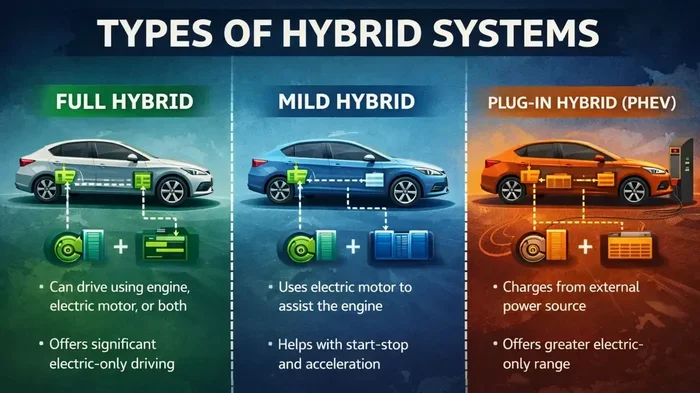
Before we dive into the risks, it helps to understand how a hybrid vehicle works. A hybrid engine uses two power sources. One is a gasoline engine. The other is an electric motor powered by a battery pack. Together, they create the dual powertrain system that makes hybrids so efficient. This system is the heart of every hybrid car on the road today.
When you drive a hybrid car, the system switches between gas and electric power automatically. At low speeds, the electric motor handles the work. At higher speeds, the gas engine takes over. This clever setup is what delivers excellent hybrid fuel economy. But it also means there are more parts that can wear out or fail. That is where the risk of hybrids comes into play.
The Dual Powertrain: A Blessing and a Challenge
The dual powertrain is the main reason hybrids are so efficient. But it is also the main reason they can be more complicated than regular cars. You have a gas engine that needs oil changes and tune ups. You also have an electric motor, a battery pack, and a regenerative braking system. All of these components need attention over time. The more parts a car has, the more things can go wrong. This is the core of the risk of hybrids discussion.
However, automakers have spent years improving hybrid car reliability. Today’s hybrid vehicle is far more dependable than early models from the early 2000s. Toyota, Honda, Ford, and other brands have built strong reputations for durable hybrid engine systems. So while the risks are real, they are not as scary as they might seem at first glance. The technology has matured, and so has consumer understanding of the risk of hybrids.
Common Risks of Hybrid Vehicles You Should Know About
Now let us look at the specific hybrid vehicle issues that owners face. Knowing these risks ahead of time helps you prepare. It also helps you avoid surprises down the road. Let us break them down one by one.
Battery Degradation and Replacement Costs
The biggest concern for most drivers is the hybrid battery life. Every hybrid car has a high voltage battery pack. This battery powers the electric motor and stores energy recovered through regenerative braking. Over time, this battery loses some of its capacity. This is natural and expected. But when does it become a real problem?
Most hybrid battery replacement costs range from 1,000 to 6,000 dollars. The wide range depends on the car model and where you get the work done. Some batteries last well over 150,000 miles. Others may need replacement at 80,000 miles. This uncertainty is one of the biggest hybrid car problems people worry about when considering a purchase.
Here is the good news. Many manufacturers offer strong warranties on hybrid batteries. Toyota, for example, covers its hybrid batteries for eight years or 100,000 miles. This warranty greatly reduces your financial exposure. It is one of the best ways to manage the risk of hybrids related to battery issues. Always check the battery warranty before buying any hybrid vehicle.
Higher Repair and Maintenance Costs
Fixing a hybrid car can cost more than fixing a regular car. The hybrid engine and electric components require specialized knowledge. Not every mechanic is trained to work on hybrid vehicle systems. This means you may need to visit a dealer or a specialty shop for certain repairs, which drives up the hybrid maintenance cost.
The hybrid maintenance cost is another factor to consider. While routine services like oil changes are similar to gas cars, other repairs can be pricier. The electric motor, power inverter, and battery cooling system all need expert care. Over the life of the car, these costs can add up to several thousand dollars more than a comparable gas car.
But here is something many people overlook. Hybrid car owners often save money on fuel. The excellent hybrid fuel economy can offset higher repair bills over time. A hybrid vehicle that gets 50 miles per gallon versus a gas car that gets 30 saves hundreds of dollars each year at the pump. It is a trade off you should weigh carefully before making a decision.
Insurance Costs and Depreciation Concerns
Another hidden risk of hybrids is the impact on your wallet through insurance and resale value. Hybrid car insurance can sometimes cost more than insurance for a similar gas car. This is because the hybrid systems are more expensive to repair or replace after an accident. Insurers factor in the higher cost of parts and specialized labor when setting premiums.
Hybrid car depreciation is also worth watching. In the past, hybrids depreciated faster than their gas counterparts. The reasoning was simple. Buyers worried about battery life and future repair costs. However, this trend has improved significantly. Popular hybrid car models from Toyota and Honda now hold their value much better. Strong warranties and improved hybrid car reliability have made used hybrids more attractive to buyers, which helps slow hybrid car depreciation.
Safety Risks: How Do Hybrids Compare to Gas Cars?
Safety is a top concern for any car buyer. The good news is that hybrid car safety ratings are generally very strong. Most hybrids earn top marks in crash tests from organizations like the National Highway Traffic Safety Administration. The heavy battery pack actually helps in some collisions by adding weight to the vehicle, which can reduce crash forces on occupants.
However, there are unique safety considerations with hybrid vehicle systems. The high voltage components carry a different risk than a standard car. In a crash, the electrical system must shut down safely and quickly. Manufacturers design hybrid engine systems with this in mind. They include insulated wiring, automatic disconnect systems, and bright orange high voltage cables that are easy for rescue teams to spot.
Fire risk is another concern people raise. While hybrid car fires are rare, they do happen. The lithium ion battery pack can catch fire if damaged in a severe collision. But the same is true for the fuel tank in a gas car. Overall, the risk of hybrids in terms of safety is very low when compared to the daily risks of driving any car on the road.
Hybrid vs Gas Car: A Safety Comparison
Let us put the safety question into perspective. Below is a quick look at how hybrid car safety compares to traditional gas cars across key factors.
| Safety Factor | Hybrid Car | Gas Car |
|---|---|---|
| Crash Test Ratings | Generally excellent | Generally excellent |
| High Voltage Risk | Present but well insulated | Not applicable |
| Fire Risk | Very low | Low |
| Rescue Safety | Clear high voltage markings | Standard markings |
| Overall Safety Score | Equal or better | Good |
As you can see, hybrid car safety is on par with gas cars in most areas. The high voltage system is the main difference, but it is well managed by design. Rescue teams are trained to handle hybrid vehicle accidents safely. They know to look for the orange cables and disconnect the system before extricating occupants.
How to Manage the Risk of Hybrids Safely
Now for the part you have been waiting for. How do you actually manage the risk of hybrids? The answer is simpler than you might think. A little planning goes a long way toward protecting your investment and your peace of mind.
Follow the Maintenance Schedule Strictly
The single best way to reduce hybrid vehicle issues is to stick to the maintenance schedule. Every hybrid car comes with an owner manual that outlines service intervals. Follow them to the letter. Do not skip oil changes, battery checks, or coolant flushes. These services keep the hybrid engine and electric components working as they should.
Regular maintenance catches small problems before they become big ones. It also keeps your hybrid vehicle running smoothly for years. Think of it as an investment. A few hundred dollars in maintenance now can save you thousands in repairs later. This is the most effective way to manage the risk of hybrids on a day to day basis.
Buy from Reputable Sources
Whether you are buying new or used, choose your source carefully. Certified pre owned hybrid car models from dealerships often come with extended warranties. These warranties cover the battery and other key components. They give you peace of mind and financial protection against unexpected repair bills.
If you are buying used, always get a vehicle history report. Look for signs of accidents or neglect. A well maintained hybrid vehicle from a trusted seller is your safest bet. Avoid cars with unclear service records or high mileage without battery health reports. The risk of hybrids increases significantly when you buy a car with an unknown maintenance history.
Find a Qualified Mechanic
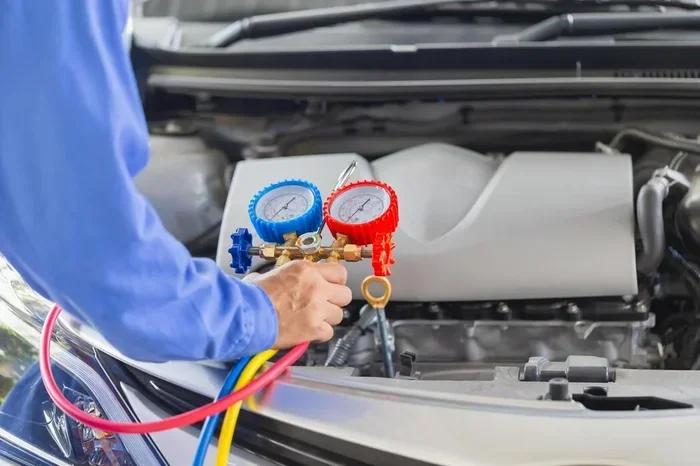
Not every shop can work on a hybrid car. The high voltage system requires special training and equipment. Look for technicians who are certified in hybrid vehicle repair. Many dealerships and specialty shops employ these experts who understand the unique needs of a hybrid engine.
Building a relationship with a trusted mechanic is one of the smartest things you can do. They will know your car’s history and can spot potential issues early. This simple step greatly reduces the risk of hybrids turning into expensive surprises. Ask friends, check online reviews, and look for ASE certifications with hybrid training.
Monitor Your Battery Health
Keep an eye on your hybrid battery life. Most modern hybrids have built in battery monitoring systems. Your dashboard will show warnings if something is off. Do not ignore these warnings. Address them quickly before a small issue becomes a major hybrid battery replacement expense.
You can also ask your mechanic to check battery health during regular service visits. This proactive approach helps you plan for any needs well in advance. It removes the shock of an unexpected bill and gives you time to budget for the hybrid maintenance cost of a new battery if needed.
Drive Smart to Maximize Hybrid Benefits
How you drive affects your hybrid car performance and longevity. Gentle acceleration and smooth braking help the regenerative braking system work efficiently. Aggressive driving wears out brakes and batteries faster. It also reduces your hybrid fuel economy significantly.
Use your car’s eco mode when possible. It adjusts power delivery to maximize efficiency and reduce strain on the hybrid engine. Over time, smart driving habits can significantly reduce wear on your hybrid vehicle and extend the life of your car. Think of it as treating your car well so it treats you well in return.
- Always warm up your hybrid car gently before driving aggressively.
- Check tire pressure monthly for better hybrid fuel economy and tire longevity.
- Keep your battery cooling system serviced on schedule to protect hybrid battery life.
- Use only manufacturer recommended fluids for your hybrid engine and electric systems.
- Store your plug-in hybrid in a cool, dry place when possible to preserve battery health.
- Keep records of all maintenance to track your car’s health over time.
Are the Risks Worth It? The Bottom Line on Hybrid Ownership
After looking at all the hybrid vehicle issues, you might wonder if a hybrid car is still worth it. The honest answer is yes, for most people. The risk of hybrids is real but manageable. With proper care, smart buying decisions, and a little planning, you can enjoy the benefits of hybrid car advantages without the stress.
Consider this. A well maintained hybrid vehicle can easily last 200,000 miles or more. The hybrid fuel economy savings alone can offset higher upfront costs over several years of ownership. And the environmental benefits of driving a hybrid car are real and meaningful. Every gallon of fuel you save is a win for the planet and for your wallet.
The key is to go in with your eyes open. Understand the hybrid car problems that can arise. Budget for potential repairs. Choose a reliable model with a strong warranty. And find a mechanic who knows hybrid vehicle systems inside and out. Do these things, and the risk of hybrids becomes something you can handle with confidence instead of fear.
Remember, no car is perfect. Gas cars have their own set of problems and risks. The risk of hybrids is just different, not necessarily worse. Weigh the pros and cons for your lifestyle and budget. Make an informed decision, and you will be glad you did. The hybrid car world is evolving fast, and the future looks bright for owners who stay informed and proactive.
Common Mistakes Hybrid Owners Make
Even the best hybrid car owners can make mistakes that increase their exposure to risk. Here are the most common ones to avoid so you can keep your hybrid vehicle running smoothly.
- Skipping scheduled maintenance. This is the number one mistake. Regular service keeps everything running smoothly and prevents costly repairs down the road.
- Ignoring dashboard warnings. Your hybrid car talks to you through warning lights. Listen to it. A small alert today can prevent a big repair tomorrow.
- Choosing the cheapest mechanic. Low cost often means low expertise with hybrid engine systems. Pay for quality and certified technicians.
- Driving aggressively. It wears out brakes, batteries, and reduces your hybrid fuel economy significantly over time.
- Neglecting tire care. Under inflated tires hurt fuel economy and wear out faster. Check them monthly for optimal performance.
- Not understanding warranty coverage. Know what is covered and for how long. This protects you from unexpected bills and helps you plan ahead.
Key Takeaways
- The risk of hybrids is real but manageable: Hybrid vehicles have unique challenges, but most owners handle them without major issues when they stay informed and proactive.
- Battery health is the biggest concern: Hybrid battery replacement can be expensive, but warranties often cover it for 8 years or 100,000 miles, reducing your financial risk.
- Maintenance is your best defense: Following the service schedule strictly prevents most hybrid vehicle issues before they start and keeps your car running strong.
- Find a qualified hybrid mechanic: Not every shop can properly service a hybrid engine or high voltage system. Choose a certified specialist for peace of mind.
- Insurance and depreciation are evolving: The risk of hybrids in terms of insurance costs and resale value has decreased significantly as the technology matures.
- Safety ratings are excellent: Hybrid car safety is on par with or better than gas cars thanks to added weight and smart engineering by manufacturers.
- Smart driving habits extend your car’s life: Gentle acceleration, smooth braking, and regular checks keep your hybrid vehicle running strong for hundreds of thousands of miles.
Frequently Asked Questions
What is the biggest risk of owning a hybrid car?
The biggest risk is the cost of replacing the hybrid battery pack. A hybrid battery replacement can range from 1,000 to 6,000 dollars depending on the vehicle model. However, most manufacturers cover this under warranty for eight years or 100,000 miles, which greatly reduces your financial exposure and makes the risk of hybrids much more manageable.
Are hybrid cars more expensive to maintain than gas cars?
In many cases, yes. The hybrid maintenance cost can be higher because the dual powertrain includes both a gas engine and an electric motor. Specialized repairs for the electric components require trained technicians. However, many owners find that the fuel savings from excellent hybrid fuel economy offset these higher maintenance costs over several years of ownership.
How long does a hybrid battery typically last?
Most hybrid battery life spans between 100,000 and 200,000 miles with proper care and regular maintenance. Some owners report batteries lasting even longer. The key factors are staying on top of service schedules, practicing smart driving habits, and avoiding extreme temperatures whenever possible. Monitoring your battery health through dashboard alerts also helps catch issues early.
Is a hybrid car safe in a crash?
Yes, hybrid car safety is excellent. Most hybrids earn top crash test ratings from safety organizations like NHTSA. The heavy battery pack can actually improve crash protection by adding weight to the vehicle. Manufacturers also design hybrid vehicle systems with high voltage disconnects that activate during collisions to protect both occupants and first responders.
Can any mechanic work on a hybrid car?
Not all mechanics are equipped or trained to work on a hybrid engine or high voltage system. You should seek out technicians who are certified in hybrid vehicle repair. Many dealerships and specialty shops have these experts. Choosing the right mechanic is one of the best ways to manage the risk of hybrids and avoid improper repairs that could cause further damage.
Do hybrid cars hold their value better than gas cars?
This has changed over the years. Earlier hybrid car depreciation was a concern because buyers worried about battery life and future repair costs. Today, popular hybrid car models from brands like Toyota and Honda hold their value much better. Strong warranties and improved hybrid car reliability have made used hybrids more attractive to buyers, which helps slow hybrid car depreciation and reduces one of the key risk of hybrids factors for buyers.