What Is a Car Glass Roof Everything You Need To Know
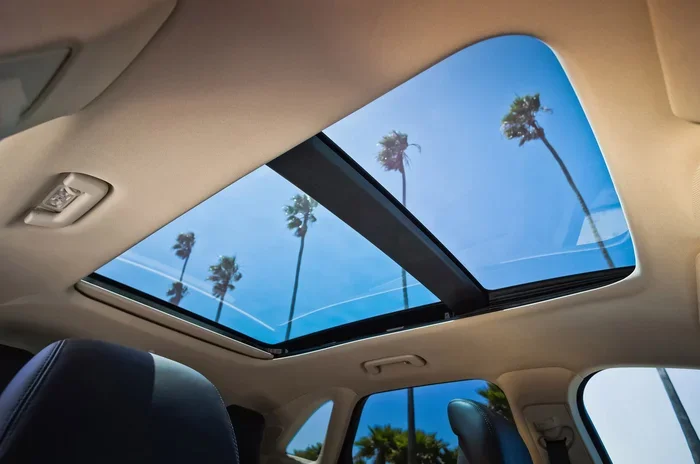
A car glass roof is a transparent or semi-transparent panel built into a vehicle’s roof, replacing the traditional solid roof with glass. It offers drivers and passengers a stunning open-air feel, enhanced natural light, and a premium look inside the cabin. In this guide, we break down every aspect of glass roof cars, from types and benefits to maintenance tips and common drawbacks.
Have you ever looked up while driving and felt like you were sitting under a sky? That is exactly what a car glass roof does. It transforms your everyday commute into something that feels a little more special. Instead of a solid metal or fiberglass top, these vehicles use large glass panels to cover the passenger cabin. The result is a bright, open feeling that makes every ride more enjoyable.
More and more car makers are offering glass roof cars across different price ranges. You do not need to buy a luxury sports car anymore to enjoy this feature. From compact sedans to family SUVs, the panoramic roof is becoming a popular choice. But what exactly makes a glass roof different from a regular sunroof? And is it right for you? Let us dive into everything you need to know.
Key Takeaways
- What it is: A car glass roof replaces the solid roof with glass panels for a more open, airy cabin feel.
- Types available: Panoramic, pop-up, removable, and laminated glass roofs are the most common options.
- Key benefits: More natural light, better views, a premium aesthetic, and improved resale value.
- Common drawbacks: Higher cost, potential heat buildup, added weight, and more complex repairs.
- Maintenance matters: Regular cleaning and seal checks keep your glass roof in great shape for years.
- Worth considering: If you value style and driving experience, a glass roof is a fantastic upgrade.
📑 Table of Contents
What Exactly Is a Car Glass Roof?
A car glass roof is a large glass panel or set of panels that forms part or all of a vehicle’s roof. Unlike a traditional solid roof, it lets light flood into the cabin. Some glass roofs are fixed in place, while others can tilt or even come off entirely. The glass used is usually laminated glass or tempered glass, both chosen for safety and durability.
People often confuse glass roofs with sunroofs and moonroofs. Here is a quick way to think about it. A sunroof is typically a smaller panel that opens. A moonroof is a tinted glass panel that slides or tilts. A glass roof is usually larger and covers a bigger area of the car’s top. It can be fully fixed or partially operable, depending on the design.
How Does a Glass Roof Differ from a Sunroof?
The main difference comes down to size and function. A sunroof is a smaller opening in the roof. It might use a metal or fabric panel. A glass roof takes up much more space on top of the car. It often spans from the front windshield to the rear seats. This gives you a full view of the sky above you.
Here is a simple comparison to help clarify:
| Feature | Glass Roof | Sunroof |
|---|---|---|
| Size | Large, often spans full cabin width | Smaller, single panel |
| Material | Tempered or laminated glass | Metal, glass, or fabric |
| Openable? | Sometimes, or fixed | Usually opens |
| Light Entry | Maximum | Moderate |
| Weight Impact | Adds more weight | Adds less weight |
| Cost | Higher | Lower |
Both options add a nice touch to any vehicle. But if you want that open, airy feeling, a glass roof is the clear winner.
Types of Car Glass Roofs
Not all glass roofs are the same. Car manufacturers use different designs depending on the vehicle type and customer preferences. Let us look at the most popular types you will find on the road today.
Fixed Glass Roof
A fixed glass roof does not open at all. It is a permanent glass panel bonded or sealed to the car frame. This type offers the maximum amount of natural light. It also provides the best view of the sky. Many luxury sedans and SUVs use this design because it looks sleek and modern.
The downside is that you cannot get fresh air through the roof. On hot days, the cabin can warm up faster. But most fixed glass roofs come with a tinted glass layer or a solar control coating to reduce heat buildup.
Panoramic Glass Roof
A panoramic roof is one of the most sought-after features in modern cars. It usually consists of two or three large glass panels that cover a big portion of the roof. Some panoramic roofs have a fixed front section and a movable rear section. This gives you the best of both worlds: great light and the option to let in fresh air.
Cars like the Tesla Model 3, Mazda CX-5, and many BMW models feature this design. It makes the interior feel spacious and luxurious. Even in smaller cars, a panoramic roof creates a sense of openness that you do not get with a standard roof.
Removable Glass Roof
Some vehicles come with a glass roof that you can completely remove. These are popular in sports cars and off-road vehicles. The idea is to give you the freedom to switch between a closed and open driving experience. You store the removed panel in the trunk or a dedicated space under the hood.
This type of glass roof is less common but highly appealing to driving enthusiasts. It offers the most flexibility. However, it requires more effort to manage and store the panel safely.
Tilt-and-Slide Glass Roof
A tilt-and-slide glass roof can move in two ways. You can tilt it open at the back to let out hot air. You can also slide the entire panel back along a track. This gives you great control over ventilation. It is a popular choice for families who want the benefits of a glass roof without sacrificing practicality.
Many European car brands like Mercedes-Benz and Audi offer this type of roof on their mid-range and premium models. It is a smart option if you want flexibility and style.
Benefits of Having a Glass Roof on Your Car
There are many reasons why drivers choose a glass roof over a traditional solid roof. Let us explore the biggest advantages.
More Natural Light Inside the Cabin
This is the most obvious benefit. A glass roof fills the entire cabin with light. It makes the car feel bigger and more welcoming. On long road trips, natural light helps reduce fatigue. It also makes the interior look more premium without any extra cost.
Studies show that natural light improves mood and alertness. So a glass roof is not just a luxury. It can actually make your drives safer and more pleasant.
Better Views and a Sense of Openness
When you sit under a glass roof, you feel connected to the world around you. You can see clouds, stars, and tree branches passing above you. This open-air feeling is hard to replicate with any other car feature. It makes every drive feel more special, whether you are on a highway or stuck in traffic.
For families with kids, a glass roof can turn a boring car ride into an adventure. Children love looking up at the sky while riding in the car.
Enhanced Resale Value
Cars with glass roofs tend to hold their value better. Many buyers see a glass roof as a premium feature. It signals that the vehicle is higher trim or more luxurious. If you plan to sell or trade in your car later, a glass roof can give you an edge in the market.
Aesthetic Appeal and Premium Feel
Let us be honest. A glass roof looks amazing. It gives any car a modern, sophisticated look. Inside, the cabin feels like a five-star hotel lounge. The combination of light, space, and glass creates a sense of luxury that is hard to achieve any other way.
Automakers know this, which is why they use glass roofs as a selling point. Even in budget-friendly models, a glass roof can elevate the entire feel of the car.
Drawbacks and Things to Consider
A glass roof is not all sunshine and views. There are some real downsides you should know about before making a decision.
Heat Buildup Inside the Car
Glass lets in light, but it also traps heat. On a sunny day, a car with a glass roof can get significantly hotter than one with a solid roof. This is especially true for fixed glass roofs without good tinting.
Most modern glass roofs come with a solar control film or IR-reflective coating to reduce heat. But even with these features, the cabin can still warm up faster. You may need to run your air conditioning longer, which can affect fuel economy slightly.
Added Weight
Glass is heavier than metal or plastic panels. A large glass roof can add 20 to 40 pounds to your vehicle. This extra weight can slightly reduce fuel efficiency and affect handling. For most drivers, the difference is small. But if you are very particular about performance, it is worth noting.
Higher Cost
A glass roof adds to the price of a new car. It is usually part of a premium package. If you are buying a base model, you might need to upgrade to get this feature. The cost can range from a few hundred to several thousand dollars depending on the vehicle and the type of glass roof.
Repair and Maintenance Costs
If a glass roof gets cracked or damaged, repairs can be expensive. The glass used is specialized, and not every shop can handle the replacement. Seal failures are another common issue. Water leaks can damage the interior if the seals around the glass roof wear out over time.
Regular maintenance helps prevent these problems. But you should budget for potential repairs, especially if you buy a used car with a glass roof.
Reduced Headroom
Some glass roof designs reduce the headroom slightly compared to a solid roof. This is because the glass panel needs a frame and support structure. For taller drivers, this can feel a bit cramped. Always test drive a car with a glass roof to make sure the headroom feels comfortable for you.
How to Maintain and Care for Your Glass Roof
A glass roof is a long-lasting feature if you take care of it properly. Here are some practical tips to keep it in great condition.
Clean the Glass Regularly
Dirt, bird droppings, and tree sap can build up on the glass roof. Use a gentle glass cleaner and a soft microfiber cloth to wipe it down. Avoid harsh chemicals that can damage the tint or coating on the glass.
Clean the glass at least once a week if you park outdoors. This prevents buildup and keeps the view clear.
Check the Seals and Drain Channels
Water leaks are the most common problem with glass roofs. Inspect the rubber seals around the edges of the glass every few months. Look for cracks, gaps, or signs of wear. Also, check the drain channels that carry water away from the roof. If these channels get clogged with leaves or debris, water can back up and leak into the cabin.
Use a Sunshade When Parked
A windshield sunshade helps, but you should also consider a glass roof sunshade. This reduces heat buildup when the car is parked. It also protects the interior from UV damage. Over time, UV rays can fade your seats and dashboard, even through glass.
Address Small Cracks Immediately
A small chip or crack can spread quickly, especially with temperature changes. If you notice any damage, get it repaired right away. Many auto glass shops offer mobile repair services. Fixing a small chip is much cheaper than replacing the entire glass panel.
Lubricate Moving Parts
If your glass roof opens or slides, lubricate the tracks and hinges regularly. Use a silicone-based lubricant designed for automotive glass. This keeps the operation smooth and prevents squeaking or sticking.
Common Mistakes People Make with Glass Roofs
Even experienced car owners can make mistakes when it comes to caring for a glass roof. Here are some common errors to avoid.
- Using abrasive cleaners: Harsh cleaners scratch the glass and damage coatings. Always use gentle, automotive-safe products.
- Ignoring small leaks: A tiny leak today becomes a big water damage problem tomorrow. Do not ignore any signs of moisture inside the cabin.
- Overloading the roof: Do not place heavy objects on a glass roof. The glass is strong but not designed to bear weight from above.
- Skipping regular inspections: Seals and drains need attention. Skipping inspections leads to bigger problems down the road.
- Using power washers too close: High-pressure water can force its way past seals and damage the glass frame. Keep the pressure washer at a safe distance.
Are Glass Roof Cars Worth It?
This is the question most buyers ask, and the answer depends on your priorities. If you love the driving experience and enjoy a bright, open cabin, a glass roof is absolutely worth it. It adds a level of luxury and enjoyment that is hard to put a price on.
On the other hand, if you live in a very hot climate and do not want extra heat in your car, a fixed solid roof might be a better choice. Also, if you are on a tight budget, the added cost of a glass roof might not make sense for you.
Here are a few quick tips to help you decide:
- Consider your climate and driving habits.
- Think about how much you value natural light and open views.
- Check if the glass roof comes with a good warranty.
- Compare the cost of the glass roof package against your overall budget.
- Test drive both versions of the car if possible, one with and one without a glass roof.
Many drivers who choose a car glass roof say they would never go back. The experience of driving with a glass roof is genuinely different. It makes every trip feel more open and connected to the world around you.
Final Thoughts on Car Glass Roofs
A car glass roof is more than just a fancy feature. It changes the way you experience your vehicle. More light, better views, and a premium feel are just the beginning. Whether you choose a fixed panoramic roof or a tilt-and-slide design, a glass roof adds real value to your driving life.
Of course, it comes with responsibilities. Regular maintenance, careful cleaning, and awareness of potential issues will keep your glass roof performing well for years. The key is to enjoy the benefits while staying on top of the upkeep.
If you are in the market for a new car and the glass roof is on your wish list, go for it. Just make sure you understand the pros and cons. And if you already have one, take good care of it. Your glass roof will reward you with countless miles of bright, beautiful driving.
The automotive world is moving toward more transparency, both in design and in technology. The car glass roof is a perfect example of this trend. It brings the outside in and makes every drive feel a little more extraordinary.
Frequently Asked Questions
Is a glass roof the same as a panoramic roof?
A panoramic roof is a type of glass roof, but not all glass roofs are panoramic. A panoramic roof usually covers a large portion of the cabin with glass, often with both fixed and movable sections. A glass roof can be any size or design that uses glass panels on the car’s top.
Can a glass roof crack from a small rock or debris?
Yes, glass roofs can crack from impacts. Most use tempered glass or laminated glass, which is strong but not indestructible. A small rock can cause a chip or crack. That is why it is important to repair any damage quickly before it spreads.
Does a glass roof make the car hotter inside?
A glass roof can let in more heat than a solid roof. However, most modern glass roofs have solar control coatings and tinted glass that reduce heat buildup. Using a sunshade and parking in the shade also helps keep the cabin cool.
Are glass roofs safe in a rollover accident?
Yes, car glass roofs are designed to be strong and safe. The glass used is either laminated or tempered, which means it holds together or breaks into small, less dangerous pieces. The frame and support structure are built to withstand significant force.
How much does it cost to replace a glass roof?
Replacement costs vary widely depending on the car model and the type of glass roof. On average, you can expect to pay anywhere from $1,000 to $5,000 or more. Labor costs and the need for specialized glass can increase the price. Always check your warranty first, as some glass roof warranty plans cover replacement costs.
Do glass roofs reduce fuel efficiency?
Glass roofs add weight to the vehicle, which can slightly reduce fuel economy. The effect is usually small, maybe 1 to 2 miles per gallon. However, the added weight and changes in aerodynamics can vary by vehicle model and driving conditions.
=== CONCLUSION ===
A car glass roof is one of the most exciting features you can add to your vehicle. It brings in more light, offers better views, and gives your car a premium feel that is hard to match. Whether you are shopping for a new car or already own one with a glass roof, understanding how it works and how to care for it makes all the difference.
From panoramic designs to removable panels, there is a glass roof option for every type of driver. Weigh the benefits against the drawbacks, keep up with maintenance, and enjoy the open-air experience every time you get behind the wheel. The road ahead looks brighter with a glass roof above you.