How Risky Is Adaptive Cruise Control for Highway Driving
Adaptive cruise control can make highway driving safer and less tiring, but it is not risk-free. The system uses sensors and radar to keep a safe distance from the car ahead, yet it has clear limits in bad weather and complex traffic. Drivers must stay alert and understand what the ACC system can and cannot do. Knowing the risks helps you use adaptive cruise control wisely and stay safe on every trip.
Adaptive cruise control has become a standard feature in many new cars. It promises a more relaxed drive on long highway trips. But how risky is it really? Many drivers assume that pressing a button means the car handles everything. That assumption can be dangerous.
The truth is that adaptive cruise control is a helpful tool, not a replacement for your attention. It uses radar sensors and cameras to watch the road ahead. When traffic slows down, it slows your car too. When the road clears, it speeds back up to your set limit. But the system has limits, and understanding them matters for every driver.
In this article, we break down the real risks of using adaptive cruise control on highways. We look at how the system works, where it struggles, and what you can do to stay safe. Whether you use ACC every day or are thinking about turning it on for the first time, this guide has you covered.
Key Takeaways
- Adaptive cruise control is helpful but not fully autonomous: It assists with speed and distance, but you must always stay engaged.
- Sensor limitations matter: Rain, fog, and dirt can reduce how well your radar sensor detects other vehicles.
- False sense of security is a real risk: Over-reliance on the ACC system can lead to driver distraction and slower reaction times.
- Stop-and-go traffic is where ACC shines: The system handles slow, stop-and-go highway congestion very well in most cases.
- Following distance settings make a difference: Adjusting your following distance can improve safety and give you more reaction time.
- Bad weather demands extra caution: Snow, heavy rain, and fog can confuse the sensors and reduce system accuracy.
- The future looks promising: Newer driver assistance features are making adaptive cruise control smarter and safer every year.
📑 Table of Contents
- What Is Adaptive Cruise Control and How Does It Work?
- How Safe Is Adaptive Cruise Control for Highway Driving?
- Common Risks and Limitations of Adaptive Cruise Control
- When Adaptive Cruise Control Really Helps
- Expert Tips for Using Adaptive Cruise Control Safely
- The Future of Adaptive Cruise Control Technology
- Conclusion
What Is Adaptive Cruise Control and How Does It Work?
Before we talk about risk, let us understand what adaptive cruise control actually does. Traditional cruise control keeps your car at a fixed speed. You still have to brake and steer. Adaptive cruise control adds a layer of intelligence. It adjusts your speed based on the vehicle in front of you.
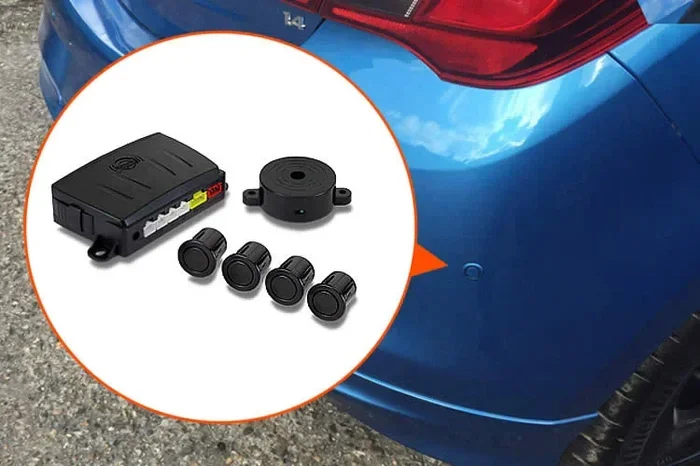
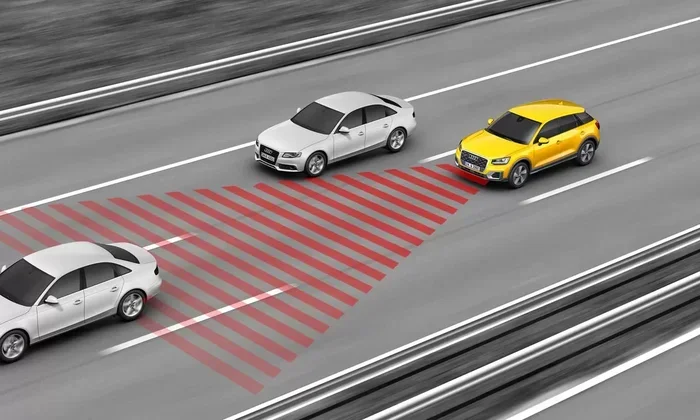
The system relies on a radar sensor mounted near the front bumper. Some cars also use cameras or lidar. These tools scan the road ahead constantly. They measure the distance to the car in front. They also track how fast that vehicle is moving. When the car ahead slows down, your ACC system eases off the throttle or applies the brakes gently.
How the System Detects Vehicles
The radar sensor sends out signals that bounce off objects ahead. The system calculates distance and relative speed. It then decides whether to slow down or speed up. Most modern systems can detect vehicles up to 600 feet ahead. That gives the car plenty of time to react on the highway.
Here is how the basic process works:
- The radar sensor scans the lane ahead for vehicles.
- The system calculates your distance from the car in front.
- If the gap shrinks, the ACC system reduces speed.
- If the gap grows, the system accelerates back to your set speed.
- The entire process happens in fractions of a second.
Stop-and-Go vs. Highway-Only ACC
Not all adaptive cruise control systems are the same. Some work only at higher speeds, typically above 25 mph. These are called highway-only systems. They are great for flowing traffic but will not stop completely.
Other systems offer full stop-and-go capability. These can bring your car to a complete halt in heavy traffic and then resume when the car ahead moves. Stop-and-go ACC is especially useful in cities and on congested highways. It reduces fatigue during long commutes through slow traffic.
How Safe Is Adaptive Cruise Control for Highway Driving?
The safety of adaptive cruise control depends on several factors. The system itself is designed with safety in mind. It can react faster than a human driver in many situations. But safety also depends on how you use it and the conditions you face.
When ACC Works Well
Adaptive cruise control performs best on clear, dry highways with steady traffic flow. In these conditions, the radar sensor works at peak accuracy. The system maintains a consistent following distance. It handles speed changes smoothly. Many drivers find that ACC reduces highway fatigue significantly.
Studies from the Insurance Institute for Highway Safety show that cars with adaptive cruise control have fewer rear-end collisions. The system helps maintain safe gaps between vehicles. It also reduces the chance of speeding, which is a major factor in highway crashes.
The Human Factor
Here is the most important point: adaptive cruise control does not replace the driver. The system is a driver assistance tool. It requires your full attention at all times. When you trust the ACC system too much, your reaction time can slow down.
Many drivers make the mistake of taking their hands off the wheel. They scroll through their phones or drift into daydreams. This is where real danger enters the picture. The system can handle routine situations, but it cannot handle every surprise. A sudden lane closure, a stalled vehicle, or a debris on the road all need human judgment.
Driver distraction is one of the biggest risks tied to adaptive cruise control. The very convenience the system offers can make drivers less vigilant. This creates a false sense of security that can lead to serious accidents.
Common Risks and Limitations of Adaptive Cruise Control
Understanding the risks of adaptive cruise control is just as important as knowing its benefits. The system has clear limitations that every driver should know about.
Sensor Limitations in Bad Weather
Heavy rain, snow, and fog can all interfere with the radar sensor. Water, ice, or dirt on the sensor cover can block its signals. In these conditions, the ACC system may not detect vehicles ahead as reliably. Some systems will warn you and disengage. Others may continue to operate with reduced accuracy.
Here are common weather-related issues with adaptive cruise control:
- Heavy rain can scatter the radar signal and reduce detection range.
- Snow and ice can cover the sensor and prevent proper readings.
- Fog limits camera-based systems more than radar-based ones.
- Dirt and mud on the front bumper can block sensors entirely.
- Bright sunlight can confuse camera-based detection systems.
Expert Insight: Always check your sensor area before a long trip. A clean sensor cover makes a big difference in how well your ACC system performs. If you notice warning lights on your dashboard, pull over safely and clear any debris from the front of your car.
False Sense of Security
The biggest hidden risk of adaptive cruise control is overconfidence. When the car handles speed and braking for you, it is easy to relax too much. You might stop scanning the road as actively. Your attention drifts. This is exactly the kind of driver distraction that leads to crashes.
Remember this simple rule: adaptive cruise control is a tool, not a driver. You are always responsible for the vehicle. Keep both hands on the wheel. Keep your eyes on the road. Stay ready to brake or steer at any moment.
System Malfunctions and Edge Cases
Like any electronic system, adaptive cruise control can malfunction. Software glitches, sensor failures, or electrical issues can all cause problems. In rare cases, the system might not brake when it should. Or it might brake too hard and unexpectedly.
Edge cases also pose challenges. The ACC system may struggle with:
- Motorcycles or bicycles in your lane.
- Cars cutting in from side roads.
- Vehicles braking suddenly from behind.
- Gentle curves where the sensor loses the target vehicle.
- Very slow or stationary vehicles in high-speed lanes.
These situations are uncommon, but they happen. When they do, the system may not respond the way you expect. That is why staying alert is non-negotiable.
When Adaptive Cruise Control Really Helps
Despite its risks, adaptive cruise control offers real benefits that make highway driving safer and more comfortable. Let us look at where the system truly shines.
Long Highway Drives
If you have ever driven for hours on a long, straight highway, you know how tiring it can be. Adaptive cruise control takes the pressure off your right foot. You set your speed and following distance. The system handles the small speed adjustments so you do not have to.
This is especially helpful on road trips through rural areas with long stretches of highway. The ACC system keeps you at a safe, steady pace. It reduces foot fatigue and helps you maintain consistent speed limits. Many drivers report feeling less exhausted after using adaptive cruise control on long journeys.
Traffic Congestion
Stop-and-go traffic is where adaptive cruise control really earns its keep. In heavy congestion, you are constantly braking and accelerating. The ACC system handles this for you. It matches the car ahead, slows to a stop when needed, and moves off again when the gap opens up.
This feature is a game-changer for daily commuters. It reduces the stress of navigating through congested highways. It also helps prevent rear-end collisions caused by inattentive drivers who follow too closely.
Comparing ACC With Traditional Cruise Control
To understand the value of adaptive cruise control, it helps to compare it with traditional cruise control. Here is a quick look at how they stack up:
| Feature | Traditional Cruise Control | Adaptive Cruise Control |
|---|---|---|
| Maintains set speed | Yes | Yes |
| Adjusts for traffic | No | Yes |
| Automatic braking | No | Yes (in most systems) |
| Works in stop-and-go | No | Yes (in advanced systems) |
| Driver attention required | Yes | Yes |
| Risk of rear-end crash | Higher | Lower |
| Works in bad weather | Yes (no sensors) | Reduced accuracy |
As you can see, adaptive cruise control offers a clear advantage over traditional cruise control. But both systems require you to stay fully engaged. Neither one replaces safe driving habits.
Expert Tips for Using Adaptive Cruise Control Safely
Using adaptive cruise control safely comes down to a few smart habits. These tips can help you get the most out of the system while keeping risk low.
Keep Your Hands on the Wheel
This sounds obvious, but it is the most important rule. Always keep at least one hand on the steering wheel when ACC is active. Some systems will warn you if your hands are off for too long. But do not rely on those warnings. Make it a habit to stay physically engaged with the vehicle at all times.
Adjust Your Following Distance
Most adaptive cruise control systems let you choose a following distance setting. Short, medium, or long. We recommend using the longest setting you can. A greater following distance gives you more time to react. It also compensates for any delays in the ACC system braking response.
Quick Tip: A good rule of thumb is to set your following distance to at least 3 to 4 seconds behind the car ahead. In rain or fog, increase this to 5 or 6 seconds. This extra margin can make a real difference when braking distance increases on wet roads.
Know When to Turn It Off
Adaptive cruise control is not always the right choice. Turn it off when:
- Weather conditions are poor (heavy rain, snow, or fog).
- The road is under construction with lane shifts and obstacles.
- Traffic is highly unpredictable with sudden lane changes.
- You are driving on winding or hilly roads where sensors may lose track.
- You feel tired and need to focus more actively on driving.
Knowing when to disengage the ACC system is just as important as knowing how to use it. Trust your judgment and turn the system off when conditions demand it.
Stay Updated on System Limitations
Every car model has different adaptive cruise control capabilities. Read your owner’s manual carefully. Understand what your specific system can and cannot do. Some systems work only above certain speeds. Others may not detect stationary vehicles. Knowing these limits helps you avoid surprises on the road.
Common Mistakes to Avoid:
- Assuming the system will brake for everything: ACC may not detect pedestrians, animals, or small objects.
- Ignoring dashboard warnings: If your radar sensor is blocked, the system will warn you. Do not ignore these alerts.
- Using ACC in city driving: Most systems are designed for highways. Use them only where they are meant to work.
- Setting speed too close to the limit: ACC will maintain your set speed even if traffic slows ahead. Always be ready to brake manually.
The Future of Adaptive Cruise Control Technology
The future of adaptive cruise control looks very promising. Car manufacturers are investing heavily in making these systems smarter and safer. New sensors, better software, and artificial intelligence are all pushing the technology forward.
What’s Coming Next
Here are some exciting developments on the horizon for adaptive cruise control and related driver assistance features:
- Better sensor fusion: Combining radar, cameras, and lidar for more accurate detection in all conditions.
- AI-powered decision making: Systems that can predict other drivers’ behavior and adjust proactively.
- Integration with lane keeping: Adaptive cruise control working together with lane-centering for hands-free highway driving.
- Improved bad weather performance: New sensor designs that work reliably in rain, snow, and fog.
- V2V communication: Cars talking to each other to share speed and position data in real time.
These advances will make adaptive cruise control even more useful. But they will also raise new questions about driver responsibility and safety. As the technology evolves, drivers must evolve with it. Staying informed and keeping your skills sharp is the best way to stay safe.
How to Choose a Car With Good ACC
If you are shopping for a new car, look for a system with strong reviews. Check how well the ACC system performs in independent tests. Look for features like:
- Reliable radar sensor performance in various conditions.
- Smooth and predictable braking and acceleration.
- Clear and timely driver alerts when the system needs attention.
- Good stop-and-go capability if you face daily traffic congestion.
- Easy-to-use controls that do not distract you from driving.
A well-designed adaptive cruise control system can be a real safety asset. A poorly designed one can create a false sense of security. Choose wisely.
Conclusion
Adaptive cruise control is a valuable tool for highway driving. It makes long trips more comfortable and helps maintain safe following distances. But it is not without risk. The system has limitations in bad weather, complex traffic, and edge cases. The biggest danger is over-reliance, which can lead to driver distraction and slower reaction times.
The key to using adaptive cruise control safely is simple: stay engaged, keep your hands on the wheel, and understand what the system can and cannot do. Treat it as a helpful assistant, not an autopilot. When you use it wisely, adaptive cruise control can make your highway drives safer and more enjoyable.
Take the time to learn your specific ACC system. Read the manual. Practice in safe conditions. And always remember that you are the driver. The technology is there to support you, not replace you. Drive smart, stay alert, and enjoy the benefits of adaptive cruise control with confidence.
Frequently Asked Questions
Can adaptive cruise control brake on its own?
Yes, most modern adaptive cruise control systems can apply the brakes automatically when the car ahead slows down. However, the braking force is usually limited. In emergencies, you should always brake manually. The system is designed to assist, not replace, your reaction.
Does adaptive cruise control work in all weather conditions?
No, adaptive cruise control can struggle in heavy rain, snow, and fog. These conditions can block or scatter the radar sensor signals. If weather is poor, reduce your speed and consider turning the system off. Always prioritize your own judgment over the technology.
Is it safe to use adaptive cruise control in stop-and-go traffic?
It depends on your system. Advanced ACC systems with stop-and-go capability handle this well. They can bring your car to a full stop and resume automatically. Basic systems may not stop completely. Check your manual to understand what your adaptive cruise control can do in traffic.
Can adaptive cruise control cause accidents?
While rare, accidents can happen if drivers over-rely on the system. Driver distraction and false confidence are the main risks. The ACC system may not detect all obstacles, especially in poor weather. Staying alert and keeping your hands on the wheel greatly reduces this risk.
How do I maintain my adaptive cruise control system?
Keep the radar sensor area clean and free of snow, ice, or dirt. Have your car serviced regularly and mention the ACC system during checkups. If you notice warning lights on your dashboard, address them promptly. Proper maintenance keeps your system working reliably.
Will adaptive cruise control replace human drivers in the future?
Adaptive cruise control is part of the broader autonomous driving evolution, but full replacement is far off. Current systems are Level 1 or Level 2 driver assistance tools. They require constant human supervision. Until technology advances significantly, drivers remain responsible for safe operation at all times.