How Many Hydrogen Stations Are There in the US Today
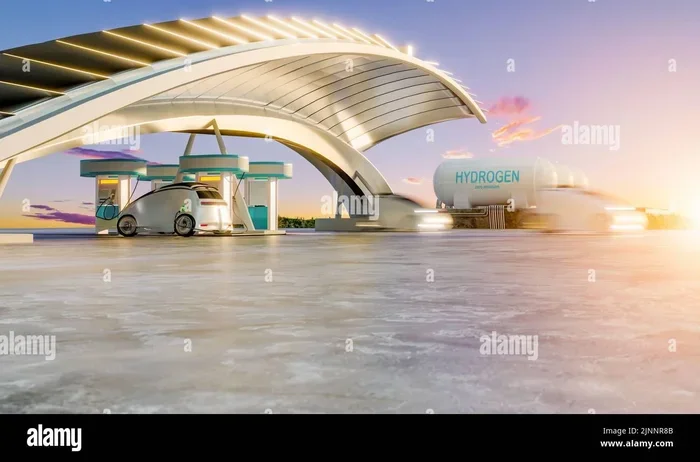
There are roughly 60 to 70 hydrogen refueling stations operating across the United States today. The vast majority are located in California, making it the clear leader in hydrogen fueling infrastructure. As fuel cell vehicles gain popularity, the number of hydrogen stations is expected to grow significantly in the coming years.
Have you ever wondered how many hydrogen stations exist in the United States right now? If you are curious about hydrogen fuel stations and where they are located, you are in the right place. The answer might surprise you, especially if you live outside of California. The hydrogen refueling network in the US is still small but growing fast.
In this article, we will break down the exact numbers, look at where these stations are, and explore what the future holds for hydrogen infrastructure in America. Whether you drive a fuel cell electric vehicle or are just curious about clean energy vehicles, this guide has everything you need.
## The Current State of Hydrogen Stations in the US
The number of hydrogen stations in the US has been slowly increasing over the past few years. As of 2024, there are approximately 60 to 70 public hydrogen refueling stations spread across the country. This number is still tiny compared to the tens of thousands of traditional gas stations and even the growing number of EV charging stations. But progress is happening.
Most of these stations serve fuel cell vehicles like the Toyota Mirai, Hyundai Nexo, and Honda CR-V e:FCEV. These cars run on hydrogen fuel cells instead of gasoline or batteries. They emit only water vapor, making them a true zero-emission option. However, the lack of widespread hydrogen refueling infrastructure remains the biggest hurdle for adoption.
### Why Hydrogen Stations Are Still Rare
Building a hydrogen fueling station is expensive. A single station can cost between 1 million and 2 million dollars. Compare that to a standard EV charger, which costs a fraction of that. The high cost comes from the complex equipment needed to compress, store, and dispense hydrogen gas safely.
Another challenge is hydrogen production. Most hydrogen today comes from natural gas through a process called steam methane reforming. While it works, it is not fully clean. Green hydrogen, made using renewable energy, is cleaner but still expensive to produce at scale. Until production costs drop, the rollout of new hydrogen stations will remain slow.
## Where Are Hydrogen Stations Located in the US?
If you are looking for a hydrogen station near you, your chances depend heavily on where you live. The map of hydrogen stations in the US is heavily concentrated in one state. Let us look at the geography.
### California Leads the Way
California is home to the overwhelming majority of hydrogen refueling stations in the country. The state has over 50 public hydrogen fueling stations as of 2024. Cities like Los Angeles, San Francisco, San Diego, and Sacramento have the highest concentrations.
This is no accident. California has invested billions in hydrogen infrastructure through its Alternative Fuel Corridor program and various state incentives. The California Energy Commission has been a major funder of hydrogen station development. Their goal is to build a network that supports the growing number of hydrogen cars on the road.
### Other States With Hydrogen Stations
A handful of other states have hydrogen refueling stations too, but the numbers are much smaller. Here is a quick look:
- Hawaii: A few stations on Oahu, supported by state clean energy goals.
- Massachusetts: Limited stations, mostly in the Boston area.
- Connecticut: A small number of stations in the Hartford and New Haven areas.
- New York: A few stations in New York City and surrounding areas.
- Colorado: A station or two in Denver and along the Front Range.
- Texas: A handful of stations, mostly in the Houston and Dallas areas.
These states are still in the early stages of hydrogen station deployment. But they show that interest in hydrogen fuel infrastructure is spreading beyond California.
## How Many Hydrogen Stations Are There Compared to EV Chargers?
It is helpful to put the number of hydrogen stations into perspective. The US has over 140,000 public EV charging ports as of 2024. Compare that to roughly 60 to 70 hydrogen refueling stations. The gap is enormous.
However, each hydrogen fueling station can serve many vehicles per day. A single station can refuel multiple cars in the same time it takes to fill a gas tank, usually around 5 to 10 minutes. This is much faster than most EV charging. So while there are fewer stations, each one serves a valuable purpose.
### The Role of Hydrogen Hubs
The federal government has recognized the need for more hydrogen stations. Through the Regional Clean Hydrogen Hubs program, the US Department of Energy has funded seven major hydrogen hubs across the country. These hubs aim to produce clean hydrogen and build out the hydrogen refueling network in their regions.
The seven hubs are located in:
- California
- Midwest (Ohio, Pennsylvania, West Virginia)
- Gulf Coast (Texas, Louisiana)
- Mid-Atlantic (Virginia, Pennsylvania, Delaware, New Jersey, Maryland, Washington DC, New York)
- Heartland (Minnesota, North Dakota, South Dakota, Nebraska, Iowa, Illinois, Wisconsin, Indiana, Michigan)
- Pacific Northwest (Washington, Oregon, Montana)
- Appalachian Region (West Virginia, Kentucky, Ohio, Pennsylvania, Virginia, Tennessee, North Carolina)
These hubs are expected to significantly boost the number of hydrogen stations in the years ahead. They represent a major federal investment in hydrogen infrastructure.
## The Future of Hydrogen Refueling in the US
The outlook for hydrogen stations in the US is promising. Several factors are driving growth in the hydrogen refueling network. Government funding, automaker support, and rising demand for zero emission vehicles are all pushing the industry forward.
### Federal Funding and the Infrastructure Bill
The 2021 Bipartisan Infrastructure Law allocated 8 billion dollars for hydrogen hubs across the country. A portion of this funding is earmarked for building out hydrogen refueling stations. This is the largest single investment in hydrogen infrastructure in US history.
The goal is to create a network of hydrogen stations along major highways and in urban areas. This would make fuel cell vehicles more practical for everyday driving and long-distance travel. The Alternative Fuel Corridors initiative is also helping to guide station placement along key routes.
### Automaker Support for Hydrogen Vehicles
Major automakers are investing heavily in hydrogen fuel cell technology. Toyota continues to sell the Mirai. Hyundai offers the Nexo and has announced plans for more hydrogen vehicles. Honda has partnered with GM to develop next-generation fuel cell systems.
As more hydrogen cars hit the market, the demand for hydrogen fueling stations will grow. Automakers are also working to reduce the cost of fuel cell vehicles, making them more affordable for average consumers. This could be a game changer for the hydrogen refueling industry.
### The Role of Green Hydrogen
Green hydrogen is made using renewable energy sources like solar and wind. It is the cleanest form of hydrogen and could play a major role in the future of hydrogen stations. As the cost of renewable energy drops, producing green hydrogen becomes more economical.
Several pilot projects are already underway to produce green hydrogen at scale. These projects could supply hydrogen fueling stations with clean fuel and help reduce the carbon footprint of the entire hydrogen refueling network.
## Quick Tips for Finding Hydrogen Stations Near You
Finding a hydrogen station used to be a challenge. But today, there are several tools that make it easy. Here are some quick tips:
- Use the DOE Alternative Fuels Station Locator: This free online tool lets you search for hydrogen fueling stations by zip code or city.
- Check your automaker’s app: Toyota, Hyundai, and Honda all offer apps that show nearby hydrogen stations and real-time availability.
- Plan your routes carefully: Since hydrogen stations are still limited, plan your trips around known station locations, especially in California.
- Join online communities: Forums and social media groups for fuel cell vehicle owners share real-time updates on station availability and wait times.
- Keep your tank above 20%: With a limited number of stations, it is smart to refuel before your tank gets too low.
## Common Mistakes People Make About Hydrogen Stations
There are several misconceptions about hydrogen refueling that can confuse people. Let us clear up a few common mistakes.
- Mistake 1: Thinking hydrogen stations are everywhere. They are not. Outside of California, options are very limited. Always check for nearby stations before you travel.
- Mistake 2: Confusing hydrogen with electric charging. Fuel cell vehicles are electric cars, but they do not plug in. They refuel with hydrogen gas at a hydrogen station.
- Mistake 3: Assuming hydrogen is dangerous. Hydrogen has been used safely for decades in industries like refining and aerospace. Hydrogen fueling stations are built with extensive safety features.
- Mistake 4: Ignoring the cost of hydrogen fuel. Hydrogen fuel can cost more per gallon than gasoline. But prices are coming down as infrastructure grows.
- Mistake 5: Overlooking hydrogen for commercial vehicles. Many hydrogen stations also serve buses, trucks, and forklifts. The hydrogen refueling network is expanding to support commercial fleets too.
## Expert Insights on the Hydrogen Station Landscape
Industry experts believe the number of hydrogen stations in the US could triple within the next decade. The Regional Clean Hydrogen Hubs program is expected to be the biggest driver of this growth. According to the US Department of Energy, the goal is to have 1,000 hydrogen refueling stations nationwide by 2030.
Experts also point out that hydrogen fuel cells are especially well suited for heavy-duty trucks, buses, and other commercial vehicles. These vehicles need fast refueling and long range, which hydrogen stations can provide better than current battery technology.
The key to success is building out the hydrogen refueling infrastructure in the right places. Focus areas include major highways, urban centers, and industrial corridors. With the right investment and policy support, the hydrogen station network could grow rapidly in the coming years.
## Key Takeaways
Key Takeaways
- Understanding How Many Hydrogen Stations Are There in the US?: Provides essential knowledge
Key Takeaways
- There are approximately 60 to 70 hydrogen stations in the US today: The number is small but growing steadily each year.
- California dominates the hydrogen refueling network: Over 50 stations are located in the state, making it the clear leader.
- Federal funding is driving growth: The 8 billion dollar hydrogen hubs program will expand the hydrogen infrastructure significantly.
- Hydrogen stations are still expensive to build: Each station costs 1 to 2 million dollars, slowing down the rollout.
- Green hydrogen could transform the industry: Clean production methods will make hydrogen stations more sustainable.
- Fuel cell vehicles need more stations to succeed: Automaker support for hydrogen cars depends on a reliable refueling network.
- The goal is 1,000 stations by 2030: The US Department of Energy has set an ambitious target for hydrogen refueling infrastructure.
## Frequently Asked Questions
How many hydrogen stations are there in California?
California has over 50 public hydrogen refueling stations as of 2024. This makes it by far the state with the most hydrogen stations in the country. The California Energy Commission continues to fund new station development.
How much does it cost to refuel a hydrogen car?
The cost varies by location and station, but hydrogen fuel typically costs between 13 and 16 dollars per kilogram. This is roughly equivalent to 5 to 6 dollars per gallon of gasoline. Some stations offer lower prices during promotional periods.
Are hydrogen stations safe?
Yes, hydrogen fueling stations are designed with multiple safety features. They have leak detection systems, automatic shutoff valves, and rigorous safety standards. Hydrogen has been used safely in industrial settings for over 70 years.
How long does it take to refuel a hydrogen vehicle?
Refueling a fuel cell vehicle takes about 5 to 10 minutes. This is comparable to filling up a gasoline car. It is much faster than most EV charging, which is one of the main advantages of hydrogen refueling.
Will there be more hydrogen stations in the future?
Yes, the number of hydrogen stations is expected to grow significantly. Federal funding through the hydrogen hubs program and state incentives will drive expansion. The US Department of Energy targets 1,000 stations by 2030.
What is the difference between a hydrogen station and an EV charger?
A hydrogen station refuels fuel cell vehicles with pressurized hydrogen gas. An EV charger supplies electricity to battery electric vehicles. Fuel cell vehicles do not plug in; they refuel at a hydrogen refueling station just like you fill a gas tank.
## Conclusion
The number of hydrogen stations in the United States is still small, but the trajectory is clear: growth. With roughly 60 to 70 stations today, the hydrogen refueling network is in its early stages. California leads the way with over 50 stations, but other states are starting to join the effort.
Federal investment through the hydrogen hubs program is a game changer. The 8 billion dollar commitment signals that the government takes hydrogen infrastructure seriously. As green hydrogen production scales up and costs come down, we can expect to see hydrogen fueling stations pop up across the country.
If you are considering a fuel cell vehicle or just keeping an eye on the clean energy vehicle landscape, the story of hydrogen stations in the US is one worth following. The infrastructure is building, the technology is improving, and the future looks bright for hydrogen refueling. Stay informed, stay curious, and keep an eye on the numbers. The hydrogen revolution is just getting started.
Frequently Asked Questions
What is How Many Hydrogen Stations Are There in the US??
How Many Hydrogen Stations Are There in the US? is an important topic with many practical applications.