Can I Change My Odometer Reading Without Getting Caught
Can I Change My Odometer Reading? The short answer is no. Odometer tampering, also known as mileage fraud, is illegal in most countries and carries severe penalties. Understanding how odometer rollback works helps buyers protect themselves from becoming victims of this widespread scam.
The question Can I Change My Odometer Reading comes up more often than you might think. People ask it out of curiosity, concern, or sometimes with bad intentions. But the truth is clear: altering your car mileage is illegal in most places around the world.
Odometer tampering, also called mileage fraud or odometer rollback, costs consumers billions of dollars every year. Sellers roll back the numbers on a dashboard to make a used car look less worn than it really is. This tricks buyers into paying more money for a vehicle that has more miles on it than advertised.
Whether you are a buyer trying to protect yourself or simply curious about the law, this article covers everything you need to know. We will explore why people tamper with odometers, what the legal consequences are, how to detect fraud, and what you can do if you have been victimized.
By the end, you will have a solid understanding of odometer fraud and the tools to avoid it. Knowledge is your best defense against this kind of scam.
Key Takeaways
- Odometer tampering is a serious crime: Federal and state laws impose heavy fines and imprisonment for anyone caught rolling back a mileage counter.
- Digital odometers are harder to tamper with: Modern vehicles use electronic systems that are more difficult to manipulate than older mechanical units.
- Vehicle history reports are essential: Always request a vehicle history report before purchasing any used car to check for inconsistencies in car mileage.
- Warning signs are detectable: Wear and tear on a vehicle often contradicts the displayed car mileage, revealing potential fraud.
- Victims have legal recourse: If you discover you have been sold a car with a rolled-back odometer, you can pursue legal action and compensation.
- Prevention starts with knowledge: Learning how to spot odometer fraud protects your wallet and keeps you from buying a deceptive vehicle.
📑 Table of Contents
What Is Odometer Tampering and Why Does It Happen
Can I Change My Odometer Reading? Technically, yes, some people try. But doing so is a form of fraud that harms buyers and undermines trust in the used car market. Odometer tampering means altering the mileage reading on a vehicle’s dashboard to show fewer miles than the car has actually traveled.
The Motivation Behind Odometer Rollback
Why would someone go to the trouble of changing a mileage reading? The answer is simple: money. A car with lower car mileage is worth more than one with high miles. The difference can be thousands of dollars.
Sellers who roll back their odometers are trying to get a higher price. They know that buyers use vehicle valuation tools that rely heavily on mileage. Lower numbers mean a better resale value and a more attractive listing online. Some sellers believe they can get away with it because the average buyer does not know how to check for fraud.
In some cases, sellers are not even aware they are committing fraud. They may have replaced a broken odometer with one from a junkyard vehicle and failed to update the mileage correctly. Even if it is accidental, the result is the same: misleading information about car mileage.
How Common Is Odometer Fraud
Odometer fraud is surprisingly common. Industry experts estimate that around 450,000 vehicles are sold each year with false mileage readings in the United States alone. That is a staggering number and it shows just how big this problem really is.
The used car market is a huge industry. Millions of cars change hands every year, and not all sellers are honest. Some see odometer rollback as an easy way to boost their profit. Others do it because they feel embarrassed about the actual condition of their vehicle and think hiding the real car mileage is the only solution.
Older vehicles with mechanical odometers are the most vulnerable. These units can be disconnected and rolled back with simple tools. Newer cars with digital odometers are harder to fool, but fraudsters are getting more creative with each passing year.
The Legal Consequences of Odometer Fraud
Can I Change My Odometer Reading Without Getting Caught? That is the wrong question to ask. Instead, you should ask what happens if you get caught. The answer is serious trouble. Laws against odometer tampering exist at both the federal and state levels, and they carry heavy penalties.
Federal Laws and Regulations
In the United States, the federal law odometer protections are strong. The Federal Odometer Act, passed in 1972, makes it illegal to disconnect, reset, alter, or roll back an odometer with the intent to change the car mileage shown. This law applies to both individuals and dealers.
Violators can face significant fines and even prison time. The penalties include up to $10,000 in fines for each violation and imprisonment for up to three years. Multiple violations can result in even harsher sentences. The law also allows victims to sue for damages, which can include the difference between what they paid and what the car was actually worth.
Beyond the U.S., many countries have similar laws. The European Union, Canada, Australia, and other nations all have strict rules against odometer tampering. International agreements also work to prevent the cross-border sale of vehicles with altered mileage.
State-Level Penalties
In addition to federal laws, individual states have their own regulations. Many states require sellers to provide an odometer disclosure statement when transferring a vehicle title. This statement confirms the current mileage reading and makes the seller legally responsible for its accuracy.
State penalties vary, but they are no less serious. Some states treat odometer fraud as a felony. Others impose civil penalties that can include triple damages. This means if you bought a car for $15,000 and the odometer was rolled back, you could potentially recover $45,000 in a lawsuit.
Dealers face even stricter scrutiny. Licensing boards can revoke a dealer’s license for odometer fraud. The reputational damage alone can destroy a business. Most legitimate dealers avoid any risk of tampering because the consequences are simply too severe.
How Odometers Work: Mechanical vs Digital
Understanding how odometers function helps you understand why tampering happens and how to detect it. There are two main types: mechanical and digital. Each has its own vulnerabilities and strengths when it comes to odometer fraud detection.
Understanding Mechanical Odometers
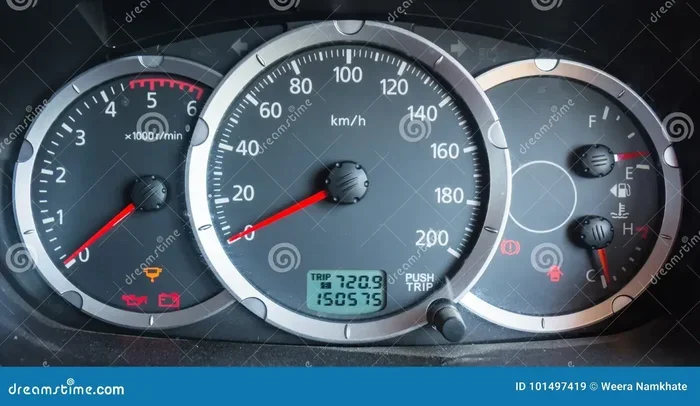
Mechanical odometers have been around for decades. They use a series of gears and a physical counter to track distance. The odometer cable connects to the transmission and rotates a set of digits on the dashboard.
These older units are the easiest to tamper with. A person with basic mechanical skills can disconnect the cable, use a rollback device, and set the numbers back to a lower reading. The process takes only a few minutes and does not require expensive equipment.
Because mechanical odometers leave fewer digital traces, they are the favorite target for fraudsters. The wear patterns on the car, however, tell a different story. This is why experienced buyers always compare the physical condition of a vehicle to its displayed car mileage.
The Rise of Digital Odometers
Modern vehicles use digital odometers. These are electronic units controlled by the car’s onboard computer. The mileage data is stored in the engine control module (ECM) and displayed on a digital screen or LCD panel.
Digital odometers are much harder to roll back. Changing the reading requires specialized equipment and software. Some fraudsters use digital odometer correction tools that interface with the car’s diagnostic port. These tools can alter the displayed number, but they often leave evidence behind.
Manufacturers are also building in more protections. Many newer vehicles store mileage data in multiple locations, making it harder to change the reading without leaving a trace. Some manufacturers even encrypt the odometer data, making unauthorized changes virtually impossible without the proper tools and access codes.
Despite these advances, digital odometer fraud still happens. It is just less common and more difficult to execute. The technology is always evolving, and so are the methods used by those who try to cheat the system.
How to Detect Odometer Rollback
Spotting a rolled-back odometer is not always easy, but it is possible if you know what to look for. Odometer fraud detection relies on a combination of visual inspection, documentation review, and technology tools.
Signs Your Car May Have Been Rolled Back
There are several red flags that suggest a vehicle’s car mileage may not be accurate. Watch for these warning signs when inspecting a used car:
- Unusual wear and tear: The steering wheel, brake pedal, and accelerator should show wear consistent with the displayed mileage. Excessive wear on these components suggests higher miles than what the dashboard shows.
- Worn seats and interior: Cracked leather, flattened cushions, and faded upholstery can indicate a car has been driven more than the odometer claims.
- Loose or wobbly odometer digits: On mechanical odometers, digits that wiggle or seem misaligned may have been recently replaced or tampered with.
- Mismatched service records: If the service history shows oil changes or inspections at mileage intervals that do not align with the current reading, something is off.
- Missing or incomplete maintenance logs: A car with low miles should have a full maintenance history. Gaps in records can be a sign that the seller is hiding something.
- Recent replacement of the odometer or dashboard: If the odometer or instrument cluster has been replaced recently, ask why. A legitimate reason should be clear and documented.
- Inconsistent title branding: Check the vehicle title for any branding that suggests it was a rental, fleet, or commercial vehicle. These typically have higher mileage.
Trust your instincts. If a deal looks too good to be true, it probably is. A car with surprisingly low miles and a surprisingly low price is worth investigating further.
Tools and Resources for Odometer Fraud Detection
Several tools and resources can help you verify a vehicle’s true mileage. These include:
- Vehicle history reports: Services like Carfax and AutoCheck compile data from multiple sources to give you a comprehensive picture of a vehicle’s past. They include reported mileage readings from oil changes, inspections, and registrations.
- VIN checks: Your VIN number, also known as the vehicle identification number, is unique to each car. Running a VIN check can reveal title brands, accident history, and reported mileage at different points in time.
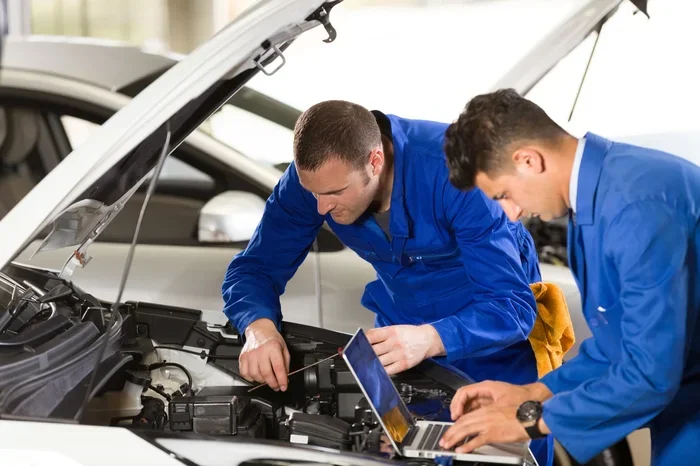
- Vehicle inspection: A professional inspection by a certified mechanic can uncover signs of tampering. Mechanics know what to look for and can spot inconsistencies that an untrained eye might miss.
- Odometer disclosure statement review: Always review the odometer disclosure statement on the vehicle title. Compare the mileage listed there to the current reading and look for any gaps or inconsistencies.
- Diagnostic tools: Professional diagnostic scanners can access the car’s onboard computer to check stored mileage data. These tools are especially useful for detecting discrepancies in vehicles with digital odometers.
Using multiple tools together gives you the best chance of catching fraud. No single method is foolproof, but combining them creates a strong defense against odometer rollback.
Protecting Yourself When Buying a Used Car
Buying a used car can be a great experience, but it comes with risks. Car buying tips centered on mileage verification can save you from a costly mistake. Here is how to protect yourself in the used car market.
Essential Car Buying Tips
Follow these practical steps to reduce your risk of buying a car with a tampered odometer:
- Always request a vehicle history report. This should be your first step before even visiting the seller. Look for gaps in mileage reporting and sudden drops in the recorded numbers.
- Inspect the car thoroughly. Pay close attention to wear patterns on the steering wheel, pedals, seats, and shifter. These areas wear down predictably over time and give honest clues about actual use.
- Ask for maintenance records. A well-maintained car should have a paper trail. If the seller cannot provide records or the records show inconsistent mileage, proceed with caution.
- Get a pre-purchase inspection. Have an independent mechanic examine the vehicle before you buy. They can spot signs of tampering and identify other hidden problems.
- Verify the title and VIN number. Make sure the title matches the vehicle and that the odometer disclosure statement is filled out correctly. Check for any title branding that might indicate prior issues.
- Compare prices. If the price is significantly below market value for a car with low mileage, be skeptical. Research comparable listings in your area to understand what fair pricing looks like.
- Buy from reputable sources. Established dealers with good reviews are less likely to sell vehicles with altered mileage. Private sellers require extra diligence.
What to Look for in a Vehicle History Report
A vehicle history report is one of the most powerful tools in your fight against mileage fraud. Here is what to look for when reviewing one:
- Reported mileage at different service intervals: If the mileage jumps forward and then suddenly drops, that is a major red flag for odometer tampering.
- Title transfer history: Frequent changes in ownership within a short period can indicate a problem.
- Title branding: Brands like “salvage,” “flood,” or “rebuilt” tell you the car has a history that goes beyond mileage issues.
- Lemon law buybacks: Some vehicles are returned to manufacturers under lemon law programs. These cars may have high mileage that was never properly recorded.
- Accident history: While not directly related to odometers, accident history can affect vehicle valuation and signal a seller who is not being fully transparent.
Take the time to read the full report. A few minutes of review can save you thousands of dollars and a lot of headaches down the road.
What to Do If You Have Been Victimized
Discovering that your car has a rolled-back odometer is upsetting. But you are not helpless. There are concrete steps you can take to protect your rights and seek compensation.
Steps to Take After Discovering Odometer Fraud
If you suspect or confirm that the car mileage on your vehicle has been altered, act quickly:
- Document everything. Gather all purchase paperwork, the odometer disclosure statement, the vehicle title, and any communication with the seller. Take photos of the car’s condition and the dashboard mileage reading.
- Get a professional inspection. Have a certified mechanic confirm the true mileage through diagnostic tools and physical inspection. Ask them to document their findings in writing.
- Obtain a vehicle history report. Pull a report that shows the discrepancy between reported mileage and actual mileage. This serves as evidence of fraud.
- Contact the seller. Inform the seller in writing about the discrepancy. Keep copies of all correspondence. Some sellers will resolve the issue voluntarily when presented with clear evidence.
- File a complaint with authorities. Report the fraud to your state’s attorney general office, the National Highway Traffic Safety Administration (NHTSA), or local law enforcement. These agencies take odometer fraud seriously and can investigate.
Seeking Legal Help and Compensation
If the seller does not cooperate, you have legal options. Many states have consumer protection laws that specifically address odometer fraud. You may be entitled to:
- Refund of purchase price: Courts can order the seller to return what you paid for the vehicle.
- Damages for the difference in value: You can recover the difference between what the car was worth with honest mileage and what you paid based on false mileage.
- Consequential damages: These cover additional costs you incurred because of the fraud, such as repairs that were needed sooner due to higher actual mileage.
- Attorney’s fees: In some cases, the court may require the fraudulent seller to pay your legal costs.
Consulting with a consumer protection attorney is a smart move. Many offer free initial consultations and can advise you on the strength of your case. You should also check if the seller is part of a dealer association, as these organizations often have arbitration processes that can resolve disputes more quickly than court proceedings.
Remember, you are not alone. Odometer fraud affects thousands of consumers every year, and there are resources available to help you fight back. The key is to act promptly and document everything carefully.
Conclusion
The answer to Can I Change My Odometer Reading is technically possible in some cases, but it is illegal, unethical, and carries serious consequences. Odometer tampering is a form of mileage fraud that hurts real people and erodes trust in the used car market.
Whether you are a buyer or a seller, understanding the risks and protections around car mileage is essential. Buyers should always verify vehicle history, inspect vehicles carefully, and use every available tool to confirm accuracy. Sellers should never consider tampering with an odometer, as the legal and financial risks far outweigh any short-term gain.
The best defense against odometer fraud is knowledge. When you know what to look for and where to look, you can make informed decisions and protect yourself from becoming a victim. Stay vigilant, ask questions, and never rush into a purchase without doing your homework.
Your wallet and your safety depend on it. Take the time to verify, inspect, and protect yourself before signing on the dotted line.
Frequently Asked Questions
What happens if someone changes my odometer reading?
Odometer tampering is a federal crime in the United States under the Federal Odometer Act. Penalties include fines up to $10,000 per violation and imprisonment of up to three years. Victims can also sue for damages, including the difference in vehicle value and any related costs.
Can digital odometers be rolled back?
Yes, but it is much harder than with mechanical odometers. Digital rollback requires specialized tools and software to access the car’s onboard computer. Many modern vehicles also store mileage data in multiple locations, making unauthorized changes easier to detect.
How can I check if a car’s mileage is accurate?
Request a vehicle history report, review the odometer disclosure statement on the title, get a professional pre-purchase inspection, and compare the car’s physical wear and tear to the displayed mileage. Using multiple methods together gives the most reliable results.
What is an odometer disclosure statement?
An odometer disclosure statement is a legal document that records the current mileage reading at the time of a vehicle sale. It is required by federal law in the United States and makes the seller legally responsible for the accuracy of the mileage reported.
Is odometer fraud common in the used car market?
Yes, odometer fraud is unfortunately common. Industry estimates suggest around 450,000 vehicles are sold annually in the U.S. with false mileage readings. This is why buyers should always verify mileage through multiple sources before purchasing.
What should I do if I bought a car with a rolled-back odometer?
Document everything, get a professional inspection to confirm the true mileage, report the fraud to your state attorney general and the NHTSA, and consult with a consumer protection attorney. You may be entitled to a refund, damages, and compensation for additional costs caused by the fraud.