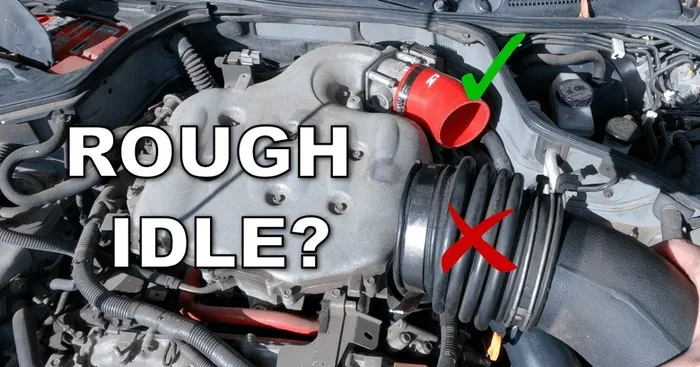
Can Bad Gas Cause a P0171 Code and Rough Idle Issues
Yes, bad gas can absolutely cause a P0171 code and rough idle issues. Contaminated or low-quality fuel disrupts the air-fuel ratio, leading to a lean condition that triggers your check engine light. Understanding the root cause helps you fix the problem faster and avoid costly repairs down the road.
You turn the key, and your car sputters to life. The idle sounds rough and uneven. Then the check engine light pops on. You grab your OBD2 scanner and see it: P0171. System too lean, Bank 1. Your mind races. What went wrong? Could the gas you just put in be the problem? The short answer is yes. But the full story is more interesting than you might think.
Bad gas causing a P0171 code is more common than most drivers realize. Contaminated fuel, water in the tank, or gasoline that doesn’t meet octane standards can all throw your engine’s air-fuel ratio way off balance. When that happens, your engine runs lean, which leads to rough idle, poor acceleration, and potentially serious damage if you ignore it. In this article, we will walk through exactly how bad gas triggers a P0171 code, what other causes look like, and how you can fix and prevent the problem.
Whether you are a weekend DIYer or someone who just wants to understand what the mechanic is talking about, this guide has you covered. We will break everything down into simple, easy-to-follow sections. No jargon overload. No fluff. Just practical, actionable information that gets straight to the point.
Key Takeaways
- Bad gas is a real culprit: Contaminated fuel can directly cause a P0171 code by creating a lean air-fuel mixture in your engine.
- Rough idle is a common symptom: A lean condition from poor fuel quality often leads to rough idle, stalling, and poor engine performance.
- Multiple factors can trigger P0171: While bad gas is one cause, vacuum leaks, faulty O2 sensors, and fuel pump issues can also set off this code.
- Simple fixes work in many cases: Draining bad fuel and refilling with clean gasoline resolves many P0171 problems quickly.
- Prevention is easy: Buying fuel from reputable stations and using fuel additives can help prevent future issues.
- Don’t ignore the check engine light: Driving with a P0171 code for too long can damage your catalytic converter and other expensive components.
- Professional diagnosis helps when DIY fails: A mechanic can use advanced tools to pinpoint the exact cause if the problem persists.
📑 Table of Contents
What Is a P0171 Code?
A P0171 code is one of the most common engine codes you will see. It stands for “System Too Lean (Bank 1).” But what does that actually mean for your car? Let us break it down.
Your engine needs a precise mix of air and fuel to run correctly. The ideal ratio is about 14.7 parts air to one part fuel. This is called the stoichiometric ratio. When the engine control unit, or ECU, detects that there is too much air and not enough fuel, it logs a P0171 code. This is known as a lean condition.
The ECU constantly monitors the air-fuel ratio through sensors like the mass airflow sensor and the oxygen sensor. If these sensors detect a lean mixture for an extended period, they trigger the code. The check engine light comes on, and you may notice symptoms like rough idle, hesitation during acceleration, or even stalling.
What Does “Bank 1” Mean?
In a V-shaped engine, Bank 1 refers to the side of the engine that contains cylinder number one. In inline engines, there is usually only one bank, so Bank 1 applies to the entire engine. The P0171 code specifically points to a lean condition on this side of the engine. A related code, P0174, would indicate the same issue on Bank 2.
Can Bad Gas Actually Trigger a P0171 Code?
This is the question most drivers want answered. And the answer is a definite yes. Bad gasoline can absolutely cause a P0171 code. Here is exactly how it happens.
When you fill up at the pump, you expect clean, properly formulated gasoline. But sometimes, the fuel you get is not what it should be. Contaminants like water, dirt, or low-octane gasoline can dilute the fuel mixture. When there is less combustible material in each cylinder, the air-fuel ratio shifts toward lean. The ECU notices this imbalance and stores the P0171 code.
How Contaminated Fuel Creates a Lean Condition
Think of it like baking a cake. If you use too much flour and not enough sugar, the result is off. Your engine works the same way. It needs the right balance of air and fuel. When bad gas enters the system, it effectively adds “empty” fuel that does not burn properly. The result is a mixture that is too lean for optimal combustion.
Here are some ways bad gas causes problems:
- Water contamination: Water does not burn. It takes up space in the fuel tank, diluting the gasoline and reducing the energy content of each combustion cycle.
- Low octane rating: Lower octane fuel burns differently than what your engine expects. This can cause incomplete combustion and lean readings.
- Dirty fuel: Particles and debris can clog fuel injectors, reducing the amount of fuel delivered to the engine.
- Ethanol blends gone wrong: While most cars handle E10 fuel fine, bad ethanol-blended gas can absorb moisture and cause lean conditions.
Symptoms of Bad Gas Causing a P0171 Code
How do you know the gas is the problem and not something else? Watch for these telltale signs:
- Rough idle: The engine shakes or sounds uneven when stopped at a light.
- Check engine light: The P0171 code appears shortly after filling up.
- Poor acceleration: The car feels sluggish or hesitant when you press the gas pedal.
- Stalling: The engine dies unexpectedly, especially at idle.
- Reduced fuel economy: You notice you are filling up more often than usual.
- Engine knocking: You hear unusual sounds from the engine bay during acceleration.
If you notice these symptoms right after a fill-up, bad gas is a strong suspect. The timing is a big clue.
Other Common Causes of a P0171 Code
While bad gas is a top cause, it is not the only one. A P0171 code can come from several different issues. Understanding the full picture helps you avoid replacing parts you do not need.
Vacuum Leaks
A vacuum leak is one of the most common reasons for a P0171 code. Your engine relies on sealed vacuum lines to regulate the air-fuel mixture. When a hose cracks or a gasket fails, extra air sneaks into the system. This unmeasured air throws off the ratio and creates a lean condition.
Common areas for vacuum leaks include:
- Intake manifold gaskets
- Vacuum hoses and connectors
- PCV valve and lines
- Brake booster hose
- Throttle body gasket
Faulty Oxygen Sensor
The oxygen sensor, also called the O2 sensor, measures the amount of oxygen in your exhaust. It sends this data to the ECU so it can adjust the fuel mixture. If the O2 sensor fails or gives incorrect readings, the ECU may think the engine is running lean even when it is not. This can trigger a P0171 code even when your fuel is perfectly fine.
Mass Airflow Sensor Problems
The mass airflow sensor, or MAF sensor, tells the ECU how much air is entering the engine. If this sensor is dirty or malfunctioning, it can underreport airflow. The ECU then delivers too little fuel, creating a lean mixture. Cleaning the MAF sensor with a proper cleaner often fixes this issue.
Fuel Pump and Fuel Pressure Issues
Your fuel pump delivers gasoline from the tank to the engine at the right pressure. If the pump is weak or failing, it cannot supply enough fuel. This results in a lean condition and a P0171 code. Similarly, a clogged fuel filter or failing fuel pressure regulator can restrict fuel flow.
Clogged Fuel Injectors
Fuel injectors spray precise amounts of fuel into each cylinder. Over time, they can become clogged with carbon deposits or contaminants. Dirty injectors deliver less fuel than needed, leading to a lean mixture. Using a quality fuel injector cleaner can sometimes resolve this problem.
Faulty Fuel Pressure Regulator
The fuel pressure regulator maintains consistent fuel pressure throughout the system. When it fails, fuel pressure drops, and the injectors cannot deliver the proper amount of fuel. This is another hidden cause of a P0171 code that is easy to overlook.
How to Diagnose a P0171 Code
Diagnosing a P0171 code does not have to be intimidating. With the right approach, you can narrow down the cause and save money on unnecessary repairs.
Step 1: Check for Trouble Codes
Start by plugging an OBD2 scanner into the diagnostic port under your dashboard. Read any stored codes. A P0171 code confirms a lean condition on Bank 1. Note any additional codes as well. Codes like P0174 (lean on Bank 2) or misfire codes can give you more context.
Step 2: Recall Recent Fueling
Did you just fill up at a new or unfamiliar gas station? Did you notice anything unusual about the fuel, such as discoloration or sediment? If the P0171 code appeared shortly after a tank fill, bad gas is a strong possibility.
Step 3: Inspect for Vacuum Leaks
Visually inspect all vacuum hoses and connections. Look for cracks, loose clamps, or disconnected lines. You can also use a smoke machine to find leaks that are not visible. A simple trick is to spray carburetor cleaner around intake connections while the engine is running. If the idle changes, you found a leak.
Step 4: Check Fuel Pressure
Attach a fuel pressure gauge to the fuel rail. Compare the reading to your vehicle’s specifications. Low fuel pressure points to a weak fuel pump, clogged filter, or faulty regulator.
Step 5: Inspect the O2 Sensor and MAF Sensor
Use the OBD2 scanner to check live sensor data. The O2 sensor should fluctuate between rich and lean readings in a normal pattern. If it stays stuck lean, the sensor may be faulty. For the MAF sensor, check the readings against expected values for your engine’s RPM and load.
Step 6: Drain and Replace the Fuel
If you suspect bad gas, the simplest test is to drain the tank and refill with fresh, high-quality gasoline from a reputable station. If the P0171 code does not return, you found your answer.
How to Fix and Prevent P0171 Issues
Once you identify the cause, fixing a P0171 code is usually straightforward. Here are the most effective solutions.
Fix 1: Drain Bad Fuel and Refill
If contaminated gas is the culprit, drain the tank completely. Fill up with fresh fuel from a trusted station. In most cases, the check engine light will clear after a few drive cycles. You may also want to add a quality fuel system cleaner to help flush any remaining contaminants from the fuel lines and injectors.
Fix 2: Repair Vacuum Leaks
Replace cracked hoses, tighten loose connections, and swap out worn gaskets. Vacuum leak repairs are usually inexpensive and can be done at home with basic tools.
Fix 3: Replace the Oxygen Sensor
If the O2 sensor is faulty, replacing it is the best fix. The cost varies by vehicle but typically ranges from $100 to $300 for parts and labor. After replacement, clear the code and test drive to confirm the fix.
Fix 4: Clean or Replace the MAF Sensor
A dirty MAF sensor can often be cleaned with a specialized MAF cleaner spray. Simply remove the sensor, spray it gently, and let it dry before reinstalling. If cleaning does not work, replacement is the next step.
Fix 5: Address Fuel Pump or Injector Issues
A failing fuel pump or clogged injector may require replacement or professional cleaning. These repairs cost more but are essential for restoring proper fuel delivery and engine performance.
Prevention Tips
Preventing a P0171 code starts with good fuel habits. Here are some tips that work:
- Buy fuel from reputable stations: Stick with well-known brands that you trust. They tend to have better quality control.
- Use fuel additives: A good fuel system cleaner used every few tanks can keep injectors and fuel lines clean.
- Do not let the tank run too low: Running on empty can stir up sediment from the bottom of the tank and pull it into the fuel system.
- Keep up with regular maintenance: Replace fuel filters on schedule and follow your vehicle’s maintenance schedule.
- Address check engine lights promptly: The sooner you diagnose a code, the less likely it is to cause secondary damage.
When to See a Mechanic
Some P0171 issues are easy to fix at home. Draining bad gas, replacing a vacuum hose, or cleaning a MAF sensor are all DIY-friendly tasks. But some situations call for professional help.
If you have tried the basic fixes and the code keeps coming back, it is time to see a mechanic. Persistent P0171 codes can point to deeper problems like a failing fuel pump, internal engine issues, or a faulty ECU. Driving with a lean condition for too long can also damage your catalytic converter, which is an expensive repair.
A qualified mechanic has access to advanced diagnostic tools, including live data stream analysis and smoke machines for leak detection. They can pinpoint the exact cause quickly and get your car running smoothly again.
Also, if you experience severe symptoms like frequent stalling, significant power loss, or the engine refusing to start, do not keep driving. Pull over safely and call for assistance. Continuing to drive a lean engine can cause catastrophic damage.
Can Bad Gas Cause a P0171 Code? Final Thoughts
The answer is clear. Bad gas can absolutely cause a P0171 code and rough idle issues. Contaminated fuel disrupts the air-fuel ratio, creating a lean condition that triggers the check engine light and affects engine performance. The good news is that this is one of the easier P0171 causes to fix. Draining the bad fuel and refilling with clean gasoline often resolves the problem completely.
However, remember that bad gas is not the only cause of a P0171 code. Vacuum leaks, faulty sensors, fuel pump issues, and clogged injectors can all produce the same result. A thorough diagnosis ensures you fix the right problem the first time.
Taking care of your fuel system goes a long way in preventing P0171 codes and rough idle problems. Use quality fuel, keep up with maintenance, and address warning signs early. Your engine will thank you with smooth running and better fuel economy.
Next time your check engine light comes on and you see a P0171 code, do not panic. Think back to when you last filled up. Check for the common symptoms. Follow the diagnostic steps in this guide. In many cases, the fix is simpler than you think. And if it is not, a trusted mechanic can help you get to the bottom of it.
Your car depends on clean fuel to run its best. Give it what it needs, and it will reward you with reliable performance for miles to come.
Frequently Asked Questions
Can bad gas cause a P0171 code immediately after filling up?
Yes, it can. If the fuel you just added is contaminated or of poor quality, the ECU may detect a lean condition almost immediately. The P0171 code can appear within a few drive cycles after filling up with bad gas.
How do I know if my rough idle is caused by bad gas or something else?
Check the timing. If rough idle and a P0171 code appeared shortly after a fuel fill-up, bad gas is the likely cause. If the problem started gradually, look at other possibilities like vacuum leaks, O2 sensor failure, or fuel injector clogging.
Will clearing the P0171 code fix the problem permanently?
Clearing the code resets the check engine light, but it does not fix the underlying issue. If the root cause, such as bad gas or a vacuum leak, is not addressed, the code will return. Always diagnose and fix the actual problem first.
Is it safe to drive with a P0171 code?
Short drives to a repair shop are generally okay. However, prolonged driving with a lean condition can damage the catalytic converter and other components. Address the issue as soon as possible to avoid expensive repairs.
Can a bad fuel pump cause a P0171 code?
Yes, a weak or failing fuel pump cannot deliver enough fuel to the engine. This creates a lean condition that triggers a P0171 code. Low fuel pressure is one of the most common causes of lean codes across all vehicle makes and models.
How much does it cost to fix a P0171 code caused by bad gas?
If bad gas is the sole cause, the fix is inexpensive. Draining the tank and refilling costs only the price of fresh fuel, plus maybe $10 to $20 for a fuel system cleaner. However, if bad gas has caused additional damage, such as clogged injectors, repair costs can increase significantly.