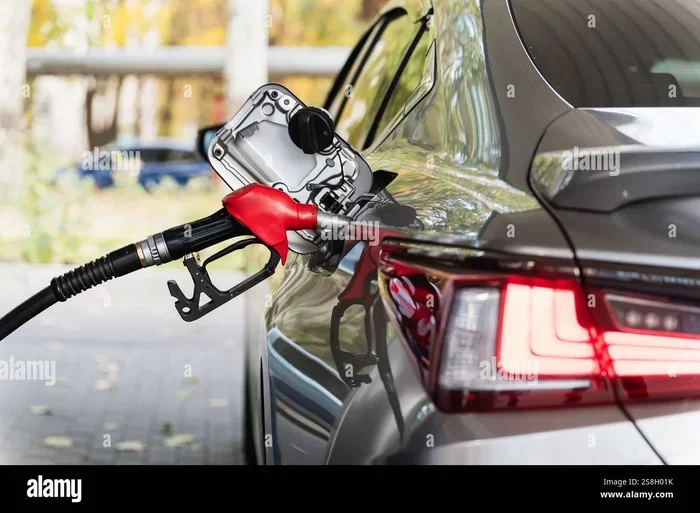
Can I Use 89 Octane Gas in My Infiniti Find Out Now
Can I use 89 octane gas in my Infiniti? The short answer depends on your specific model and engine type. Most Infiniti vehicles are designed to run on premium fuel (91 octane or higher), and using 89 octane may cause engine knock, reduced performance, and potential long-term damage. However, some Infiniti models with lower compression engines can tolerate mid-grade fuel without major issues. Always check your owner’s manual and consult your dealer before switching fuel types.
You are standing at the gas station, staring at the pump. Regular is 91 octane. Premium is 93 octane. And right there in the middle is 89 octane. You drive an Infiniti, and you wonder if this mid-grade option is good enough. Maybe it could save you some money. Maybe it won’t hurt anything. The question is simple: can I use 89 octane gas in my Infiniti?
The answer is not a simple yes or no. It depends on your specific Infiniti model, the engine type, the year it was made, and what the manufacturer recommends. Using the wrong fuel can lead to serious engine problems over time. But it can also be perfectly fine in certain situations. Let us break this down thoroughly so you never have to wonder again.
Understanding octane ratings is the first step. Octane measures a fuel’s resistance to knocking or pinging during combustion. Higher octane fuels resist knocking better. Your engine is designed to work with a specific octane level. When you use the wrong one, things can go wrong in ways you might not notice right away but that add up over months and years.
Key Takeaways
- Most Infiniti models require premium fuel (91 octane or higher) for optimal performance and safety.
- Using 89 octane gas in a vehicle that requires premium can lead to engine knock, reduced power, and poor fuel economy.
- A few Infiniti models with lower compression engines may safely run on 89 octane, but this varies by year and trim.
- Saving a few cents per gallon on gas is not worth risking expensive engine repairs or voiding your warranty.
- The vehicle owner’s manual is the ultimate authority on fuel type recommendations for your specific Infiniti.
- Modern Infiniti engines with knock sensors can adjust timing to compensate, but this still leads to decreased performance and efficiency.
- When in doubt, stick with the manufacturer’s recommended fuel type to protect your investment and keep your engine running smoothly.
📑 Table of Contents
Understanding Octane Ratings and What They Mean
Before we dive into Infiniti-specific details, let us talk about octane ratings in general. This is important because many drivers misunderstand what octane actually does.
What Is Octane Rating?
Octane rating measures how much compression a fuel can handle before it ignites. In a gasoline engine, the fuel-air mixture should ignite only when the spark plug fires. If it ignites too early because of compression, that is called knocking. Knocking sounds like a metallic pinging or rattling. It is bad for your engine.
Here are the three common octane levels you will see at the pump:
- Regular unleaded: 87 octane. This is the lowest grade and the cheapest option.
- Mid-grade: 89 octane. This sits in the middle and costs a bit more than regular.
- Premium: 91 to 93 octane. This is the highest grade and the most expensive option at the pump.
Why Does Octane Matter for Your Engine?
Every engine has a compression ratio. This is the ratio of the volume of the combustion chamber when the piston is at the bottom versus when it is at the top. Higher compression ratios need higher octane fuel. If you put low octane fuel in a high compression engine, the fuel ignites too early. This causes knocking.
Modern engines have knock sensors that detect this problem and adjust the ignition timing. But here is the catch. When the knock sensor kicks in, it retards the timing to prevent damage. This adjustment reduces engine power and fuel efficiency. So even if your engine does not suffer immediate damage, you are still losing performance and getting worse gas mileage.
The Difference Between Required and Recommended Fuel
Some manufacturers say premium fuel is required. Others say it is recommended. This is a big distinction.
- Required: You must use premium fuel. Using anything lower may cause engine damage and could void your warranty.
- Recommended: Premium fuel is best for performance, but you can use lower octane without immediate harm. You may notice reduced power or efficiency.
For most Infiniti vehicles, premium fuel is required, not just recommended. This is a critical point that many drivers overlook.
What Infiniti Models Require and What They Recommend
Not all Infiniti vehicles are the same. The fuel requirement varies by model, engine size, and model year. Let us look at the most popular Infiniti models and their fuel needs.
Infiniti Q50
The Q50 is one of Infiniti’s best-selling sedans. Most Q50 models come with a turbocharged 2.0-liter or 3.0-liter V6 engine. These engines have high compression ratios and require premium fuel (91 octane or higher). Using 89 octane in a Q50 is not recommended and could cause engine knock over time.
Infiniti Q60
The Q60 is a sporty coupe that shares its platform with the Q50. It also features turbocharged engines that demand premium fuel. The 3.0-liter twin-turbo V6 especially needs the higher octane to perform at its best. Using 89 octane gas in an Infiniti Q60 is a bad idea for sustained driving.
Infiniti QX50
The QX50 is a compact luxury SUV. It comes with a variable compression turbocharged engine. This is a sophisticated powertrain that requires premium fuel to operate correctly. The engine’s compression ratio changes dynamically, and it needs the stability that premium fuel provides.
Infiniti QX60
The QX60 is a three-row SUV with a naturally aspirated V6 engine. Most QX60 models require premium fuel as well. While the naturally aspirated engine is less demanding than a turbocharged one, Infiniti still sets the minimum at 91 octane for these vehicles.
Infiniti QX80
The QX80 is a full-size luxury SUV with a powerful V8 engine. This is a heavy vehicle that needs all the performance it can get. Premium fuel is required for the QX80. Using 89 octane here would be particularly problematic given the engine’s size and power output.
Older Infiniti Models
Some older Infiniti models from the early 2000s and late 1990s had lower compression engines. These vehicles sometimes tolerated regular or mid-grade fuel without major issues. However, even in these cases, Infiniti generally recommended premium fuel for the best performance and longevity.
Can You Safely Use 89 Octane in an Infiniti?
Now we get to the heart of the question. Can I use 89 octane gas in my Infiniti and get away with it? The honest answer is that it depends, and the risks often outweigh the rewards.
The Short Answer
For the vast majority of Infiniti models on the road today, 89 octane is not recommended. Most Infiniti vehicles require premium fuel (91 octane or higher). Using 89 octane means you are going below the manufacturer’s minimum requirement.
When 89 Octane Might Be Acceptable
There are a few scenarios where using 89 octane might not cause immediate problems:
- Older Infiniti models with lower compression engines may tolerate mid-grade fuel better than newer models.
- Short trips or light driving where the engine is not under heavy load may not trigger knock even with lower octane fuel.
- Emergency situations where premium fuel is unavailable and 89 octane is the next best option. In this case, using it once or twice is unlikely to cause damage.
When 89 Octane Is a Bad Idea
Here are the situations where you should avoid 89 octane at all costs:
- Turbocharged Infiniti engines. These engines run at higher pressures and temperatures. They need the higher octane to prevent detonation.
- Heavy towing or hauling. When your engine is working hard, it needs the knock resistance that premium fuel provides.
- Hot weather driving. High ambient temperatures increase the risk of engine knock, making higher octane fuel even more important.
- High-performance driving. If you push your Infiniti hard on the track or winding roads, premium fuel is essential.
What the Owner’s Manual Says
Your Infiniti owner’s manual is the final word on fuel requirements. Look in the fuel section of the manual. It will clearly state whether premium fuel is required or recommended. If it says required, then 89 octane is not acceptable for regular use. If it says recommended, you have slightly more flexibility, but you should still default to premium for the best results.
What Happens When You Use the Wrong Octane
Using 89 octane gas in an Infiniti that requires premium can cause a range of problems. Some are immediate and noticeable. Others develop slowly over time and are harder to detect.
Engine Knock and Ping
The most immediate sign of wrong octane fuel is engine knock. You might hear a rattling or pinging sound, especially when accelerating or under load. This happens because the fuel ignites at the wrong time in the combustion cycle. Even brief periods of knock can damage pistons, cylinder walls, and bearings over time.
Reduced Engine Performance
When the knock sensor detects detonation, it pulls timing to protect the engine. This means less power. You might notice your Infiniti feels sluggish or lacks the responsiveness you expect. The engine is essentially being held back to compensate for the lower quality fuel.
Worse Fuel Economy
Here is a cruel irony. People sometimes switch to lower octane fuel to save money at the pump. But the reduced efficiency often cancels out those savings. You may find yourself filling up more often, which erases any per-gallon savings you thought you were making.
Carbon Buildup
Lower octane fuel can cause incomplete combustion in some engines. This leads to carbon deposits building up on intake valves, pistons, and spark plugs. Over time, this carbon buildup reduces engine efficiency, causes rough idling, and can trigger check engine lights.
Warranty Issues
This is a big one. If you use 89 octane in an Infiniti that requires premium and something goes wrong with your engine, the manufacturer may deny your warranty claim. They can point to your fuel choice as the cause of the damage. Repairing a damaged engine can cost thousands of dollars, far more than the money you saved on fuel.
Fuel Injector Problems
Modern Infiniti engines use precision fuel injectors that spray fuel at very high pressure. Lower octane fuel can cause these injectors to work harder, leading to premature wear. Replacing fuel injectors is an expensive repair that is easily avoided by using the correct fuel.
Cost Savings vs. Engine Protection
The temptation to use 89 octane is understandable. Premium fuel costs more than regular or mid-grade. At many gas stations, the price difference between 89 and 91 octane is 20 to 40 cents per gallon. For a driver who fills up regularly, those savings add up.
Let us do some quick math. Say your Infiniti has a 20-gallon tank. The difference between 89 and 91 octane is about 30 cents per gallon. That is a savings of 6 dollars per fill-up. If you fill up twice a week, that is about 624 dollars a year in fuel savings.
Now consider the potential costs of engine damage. A single engine repair can cost anywhere from 1,000 to 5,000 dollars or more. A new engine can cost 5,000 to 10,000 dollars. Even a rebuild costs several thousand dollars. The savings from using lower octane fuel pale in comparison to the cost of repairing a damaged engine.
The math is clear. The potential fuel savings from using 89 octane do not justify the risk of engine damage. Stick with premium fuel and protect your investment.
Quick Tips for Saving Money on Fuel Without Compromising Your Engine
- Use loyalty programs at gas stations that offer discounts on premium fuel.
- Drive smoothly and avoid aggressive acceleration and braking to improve fuel economy.
- Keep your tires properly inflated. Underinflated tires reduce gas mileage.
- Remove excess weight from your vehicle. Extra cargo makes the engine work harder.
- Use cruise control on highways to maintain a steady speed and improve efficiency.
- Get regular maintenance. Clean air filters, fresh spark plugs, and proper wheel alignment all help fuel economy.
Expert Recommendations and Final Verdict
So what do the experts say about using 89 octane in an Infiniti? The consensus is clear. Infiniti designed their engines to run on premium fuel, and deviating from that recommendation carries real risks.
Automotive engineers at Infiniti and Nissan have spent years tuning their engines for premium fuel. The compression ratios, ignition timing, and fuel injection systems are all calibrated for 91 octane or higher. When you use 89 octane, you are asking the engine to operate outside its design parameters.
Some mechanics might tell you that using 89 octane occasionally will not hurt anything. And for most modern vehicles with knock sensors, a single tank of mid-grade fuel is unlikely to cause immediate damage. But making it a habit is a different story. Over time, the cumulative effects of slightly detonating fuel, reduced efficiency, and carbon buildup can shorten your engine’s lifespan.
The Bottom Line
Can I use 89 octane gas in my Infiniti? The safest and most reliable answer is no. Premium fuel is what your Infiniti was engineered to run on. Using 89 octane regularly puts your engine at risk for knock, reduced performance, poor fuel economy, carbon buildup, and potential warranty issues.
If you are ever in a pinch and 89 octane is the only option available, using it once or twice is unlikely to cause lasting harm. But do not make it a regular habit. When you can, fill up with the premium fuel your Infiniti needs.
Your Infiniti is a luxury vehicle with a precision-engineered engine. Treat it with the care it deserves by using the right fuel. The small extra cost at the pump is a worthwhile investment in your vehicle’s longevity, performance, and reliability.
Take a moment to check your owner’s manual if you are unsure about your specific model’s fuel requirements. And when you are at the gas station, go with premium. Your Infiniti will thank you with years of smooth, powerful, and efficient driving.
The bottom line is simple. Premium fuel is the right choice for your Infiniti. It protects your engine, maintains performance, preserves your warranty, and gives you peace of mind every time you hit the road. Save your money in other ways, but not by compromising on fuel quality.
Frequently Asked Questions
What happens if I accidentally put 89 octane in my Infiniti once?
One tank of 89 octane is unlikely to cause serious damage to your Infiniti. Modern engines have knock sensors that adjust timing to prevent immediate problems. However, you may notice slight reductions in power or fuel economy. Fill up with premium fuel at the next opportunity and the issue should resolve itself quickly.
Will using 89 octane void my Infiniti warranty?
Using fuel below the manufacturer’s recommended octane level can potentially void warranty coverage for engine-related repairs. If Infiniti determines that engine damage was caused by using the wrong fuel, they may deny the claim. Always follow the fuel recommendations in your owner’s manual to keep your warranty intact.
Are there any Infiniti models that can use 89 octane without issues?
Some older Infiniti models with lower compression engines may tolerate 89 octane better than newer models. However, even in these cases, Infiniti generally recommends premium fuel for the best performance. Check your specific owner’s manual to confirm the fuel requirements for your model and year.
Can I mix 89 octane with 91 octane fuel?
Mixing fuels is generally not harmful in small amounts. If you accidentally mix a tank of 89 octane with 91 octane, the resulting blend will be somewhere in between. This is unlikely to cause immediate damage. However, consistently mixing fuels or using 89 octane as a substitute for premium is not recommended for Infiniti vehicles.
Why does premium fuel cost more than regular?
Premium fuel costs more because it contains different additives and undergoes a different refining process. The higher octane rating means it is more resistant to premature ignition, which allows high-performance engines to operate at optimal compression levels. The additional refining and additive costs are passed on to the consumer.
How can I improve my Infiniti’s fuel economy without changing octane?
There are several ways to improve fuel economy without switching to a lower octane. Drive smoothly and avoid aggressive acceleration, keep your tires properly inflated, remove excess weight from the vehicle, use cruise control on highways, and stay current with regular maintenance like oil changes and air filter replacements. These steps can make a meaningful difference at the pump.