Can I Sue a Car Dealership Here Is What You Need to Know
Can I Sue a Car Dealership? Yes, you can take legal action if a dealership sold you a defective vehicle, committed fraud, or broke the purchase agreement. Car dealership lawsuits cover a wide range of issues including lemon law claims, dealer fraud, misrepresentation, and breach of contract. Understanding your consumer protection rights and the steps involved can help you decide whether to pursue legal action or seek a refund or replacement.
Buying a car should feel exciting. Instead, it can turn into a nightmare when something goes wrong. Maybe the car has hidden defects. Maybe the dealer lied about the vehicle history. Perhaps the warranty they promised never materialized. When these things happen, many car owners ask the same question: Can I Sue a Car Dealership?
The short answer is yes. You have legal rights as a consumer. Dealerships must follow both state and federal laws. When they break those rules, you can take action. But knowing your rights is only the first step. Understanding how the process works, what evidence you need, and what outcomes to expect makes all the difference.
This guide walks you through everything you need to know. We cover common reasons to sue, how to build a case, the legal process, and tips to avoid costly mistakes. Whether you bought a new car or a used vehicle, this information will help you decide your next move.
Key Takeaways
- You have legal rights: You can sue a car dealership for defective vehicles, fraud, or broken contracts under state and federal laws.
- Lemon law protects you: Many states have strong lemon law protections that can force a dealer to refund or replace a defective car.
- Document everything: Strong evidence including contracts, emails, and repair records is essential for a successful case.
- Try resolution first: Contacting the dealership, filing complaints, and mediation can often resolve issues without going to court.
- Small claims court is accessible: You do not always need a lawyer to file a claim, especially for smaller amounts.
- Timing matters: Statutes of limitations apply, so act quickly to protect your rights.
- Outcomes vary: Possible results include refunds, replacements, cash settlements, or repairs at no cost to you.
📑 Table of Contents
- What You Can Sue a Car Dealership For
- How to Build a Strong Case Against a Dealership
- Steps to Take Before Filing a Lawsuit
- The Legal Process Explained
- What to Expect During a Lawsuit
- Common Mistakes to Avoid
- How Consumer Protection Laws Help You
- Can I Sue a Car Dealership for Emotional Distress
- Key Takeaways
- Conclusion
What You Can Sue a Car Dealership For
Not every bad car purchase deserves a lawsuit. But certain situations give you strong grounds for legal action. Understanding these reasons helps you figure out whether your case has merit.
Lemon Law and Vehicle Defects
Every state has lemon law protections. These laws apply when a new vehicle has serious defects that the dealer or manufacturer cannot fix. A lemon car is one that has a major defect covered by the warranty. The defect must appear within a specific time frame after purchase.
Under most lemon law statutes, if the dealer fails to repair the same issue after a reasonable number of attempts, you may be entitled to a full refund or a replacement vehicle. Some states also cover used cars if they come with a written warranty. The key is proving the defect is substantial and not caused by normal wear and tear.
For example, imagine you buy a new SUV. Within three months, the transmission starts failing. You take it to the dealer four times. Each time, they cannot fix it. In many states, this qualifies as a lemon. You could pursue a lemon law claim and potentially win a refund or replacement.
Dealer Fraud and Misrepresentation
Dealer fraud happens when a dealership intentionally deceives a buyer. This is one of the most common reasons people file a car dealership lawsuit. Fraud can take many forms.
Common examples of dealer fraud include:
- Odometer fraud: Rolling back the mileage to make a car seem newer than it is.
- False advertising: Advertising a deal that does not actually exist or hiding fees.
- Misrepresentation of condition: Claiming a car was never in an accident when it clearly was.
- Bait and switch: Advertising a low price and then pressuring you to buy a different, more expensive vehicle.
- undisclosed damage: Failing to tell you about flood damage, frame damage, or other serious issues.
When a dealership engages in misrepresentation, they violate your trust and the law. You have every right to pursue legal action. Proving fraud usually requires showing that the dealer knew the information was false and intended to deceive you.
Breach of Contract Issues
Every car purchase involves a contract. The car purchase agreement outlines what the dealer promised and what you agreed to pay. When the dealer fails to honor those terms, it is a breach of contract.
Common breach examples include:
- The dealer promised a specific warranty but did not provide it.
- The agreed-upon price changed without your consent.
- The vehicle delivered did not match the features described in the contract.
- The dealer failed to deliver the title or registration as promised.
Breach of contract cases are often straightforward. You show the contract, prove what was promised, and demonstrate how the dealer failed to deliver. This type of dealership dispute is one of the most common reasons people consider suing a car dealer.
How to Build a Strong Case Against a Dealership
Winning a car dealership lawsuit depends heavily on your evidence. The stronger your documentation, the better your chances. Here is how to prepare.
Gather All Relevant Documents
Start by collecting everything related to your purchase. This includes:
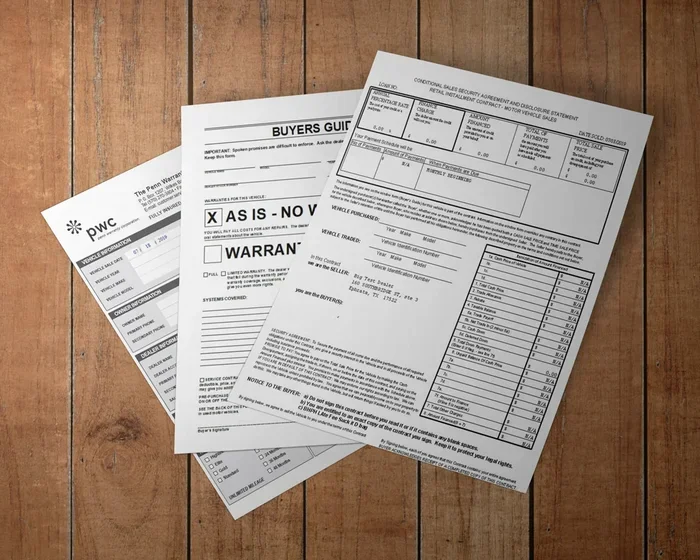
- The original purchase contract and all addendums.
- Any written warranties or service agreements.
- Repair orders and service records from the dealership.
- Emails, text messages, and letters exchanged with the dealer.
- Advertising materials or brochures that promised specific features or terms.
- Your payment records and receipts.
These documents form the backbone of your case. Without them, proving your claims becomes much harder. Organize everything in chronological order and keep copies in a safe place.
Document Everything Going Forward
As you work through the issue, keep detailed records. Write down every interaction you have with the dealership. Note the date, time, and name of each person you speak with. Save all emails and text messages. If you visit the dealership in person, take notes immediately after the conversation.
Documenting everything creates a clear timeline of events. This timeline is incredibly valuable if your case goes to court. It shows the dealer exactly what happened and when, leaving little room for denial.
Quick Tips for Building Evidence
- Use a dedicated email address for all communication with the dealer.
- Record phone calls if your state allows one-party consent.
- Photograph any defects or damage with timestamps.
- Keep a written journal of every repair attempt and interaction.
- Request a certified copy of the vehicle history report and keep it.
Steps to Take Before Filing a Lawsuit
Going straight to court should be your last resort. Before you file a car dealership lawsuit, try these steps to resolve the issue.
Contact the Dealership Directly
Start by putting your concerns in writing. Send a formal letter or email to the dealership outlining the problem and what you want as a resolution. Be clear and specific. State what you expect, whether that is a refund, replacement, or repair.
Many dealership disputes are resolved at this stage. Dealerships often prefer to settle before legal action because it saves them time and money. Give them a reasonable deadline to respond, typically 14 to 30 days.
File Complaints with Consumer Protection Agencies
If the dealership does not respond, escalate the matter. File complaints with the following agencies:
- Your state Attorney General’s office: They handle consumer protection complaints and can investigate dealer misconduct.
- The Better Business Bureau (BBB): Filing a complaint can put pressure on the dealership to resolve the issue.
- The Federal Trade Commission (FTC): For cases involving false advertising or fraud.
- Your state’s Department of Motor Vehicles (DMV): They oversee dealer licensing and can take action against violators.
These agencies can mediate disputes and sometimes impose penalties on dealerships. Even if they cannot resolve your specific case, your complaint adds to a record of the dealer’s behavior.
Try Mediation or Arbitration
Many purchase agreements include a mediation or arbitration clause. This means you agree to resolve disputes outside of court before filing a lawsuit. Mediation involves a neutral third party who helps both sides reach an agreement. Arbitration is more formal and the decision is usually binding.
Both options are faster and less expensive than going to court. They can also preserve your relationship with the dealership if you want to keep it amicable. However, you should still consult a lawyer before agreeing to any resolution.
The Legal Process Explained
If informal resolution methods fail, you may need to file a lawsuit. Understanding the process helps you feel more prepared and confident.
Small Claims Court vs. Regular Court
One of the first decisions you will face is where to file your claim. Small claims court and regular civil court serve different purposes.
| Factor | Small Claims Court | Regular Civil Court | Legal Action |
|---|---|---|---|
| Claim Amount Limit | Usually $5,000 to $10,000 depending on state | No upper limit | Varies by jurisdiction |
| Lawyer Required | Not required | Recommended | Depends on complexity |
| Filing Fees | Low, typically $30 to $100 | Higher, often $200 to $400 | Varies |
| Timeline | Faster, often resolved in 1 to 3 months | Slower, can take 6 months to years | Depends on court backlog |
| Discovery Process | Limited or none | Full discovery allowed | More thorough |
| Appeal Options | Limited | Full appeal rights | More flexible |
For most car dealership lawsuits involving refunds or smaller claims, small claims court is an excellent option. The process is simpler, faster, and does not require a lawyer. If your claim exceeds the small claims limit, you will need to file in regular civil court.
Hiring a Lawyer
While you can represent yourself, having a lawyer significantly improves your chances of success. Look for an attorney who specializes in consumer protection law or automotive fraud. Many offer free initial consultations.
During your attorney consultation, ask about their experience with dealer fraud cases. Ask about their success rate and fee structure. Some lawyers work on contingency, meaning they only get paid if you win. This removes financial risk from the equation.
What to Expect During a Lawsuit
A car dealership lawsuit involves several stages. Knowing what to expect helps you prepare mentally and financially.
Timeline and Costs
The timeline varies widely. A small claims case might be resolved in a few weeks. A full civil lawsuit can take anywhere from six months to several years. The complexity of your case, the court’s schedule, and whether the dealer fights the claim all affect the timeline.
Costs also vary. Small claims court has low filing fees. Civil court is more expensive. If you hire a lawyer, you will pay legal fees. However, many consumer protection attorneys offer free consultations and work on contingency. Some states also allow you to recover attorney fees if you win.
Possible Outcomes
If your case succeeds, several outcomes are possible:
- Full refund: The dealer returns your purchase price, sometimes including additional damages.
- Replacement vehicle: The dealer provides a new or equivalent vehicle.
- Cash settlement: You receive a negotiated payment without going to trial.
- Repairs at no cost: The dealer covers all necessary repairs under warranty.
- Punitive damages: In fraud cases, the court may award extra money to punish the dealer.
Even if you do not win, you may still benefit from the process. Filing a complaint creates a record. It can also push the dealership to settle before trial to avoid a public case.
Common Mistakes to Avoid
Many people make preventable mistakes when pursuing a car dealership lawsuit. Avoiding these errors strengthens your case and saves you time and money.
Missing Deadlines
Every state has a statute of limitations for filing lawsuits. This is the deadline by which you must take legal action. If you miss it, you lose your right to sue entirely. The deadline varies by state and by the type of claim. For breach of contract, it might be four years. For fraud, it could be three. Do not wait to find out your deadline.
Not Keeping Records
We cannot stress this enough. Failing to keep records is the most common mistake people make. Without documentation, your word stands against the dealership’s word. In most cases, that is not enough. Save everything. Organize everything. Keep it accessible.
Waiting Too Long to Act
Some buyers hope the problem will go away on its own. It rarely does. The longer you wait, the harder it becomes to build a strong case. Act promptly. Send your formal complaint early. File your claim before the statute of limitations expires.
Expert Insight
Consumer protection attorneys consistently advise buyers to act quickly and document thoroughly. According to legal experts, the strongest car dealership lawsuits are built on a foundation of clear documentation and prompt action. Do not let a dealership pressure you into accepting a bad deal or waiting too long to assert your rights.
How Consumer Protection Laws Help You
Beyond lemon law, several other laws protect car buyers. Understanding these laws gives you more tools to fight back against a dishonest dealer.
The Magnuson-Moss Warranty Act is a federal law that governs consumer product warranties. It applies to vehicles and gives buyers the right to seek repairs, replacements, or refunds if a dealer or manufacturer fails to honor a written warranty. This law works alongside state lemon law protections to give buyers powerful leverage.
The Truth in Lending Act (TILA) protects buyers from deceptive lending practices. If the dealership misrepresented the terms of your financing or charged hidden fees, TILA gives you the right to dispute those charges. You may also be entitled to cancel the transaction under certain circumstances.
The Fair Debt Collection Practices Act (FDCPA) may also apply if a dealership or third-party collection agency uses abusive tactics to collect on a disputed debt. These federal protections create a strong safety net for consumers.
Working with a knowledgeable attorney who understands these laws can make a huge difference. They can identify which laws apply to your situation and build the strongest possible case on your behalf.
Can I Sue a Car Dealership for Emotional Distress
Some buyers experience significant stress, anxiety, and frustration after a bad car purchase. You might wonder if emotional distress is a valid claim. In some cases, yes. However, winning an emotional distress claim is more difficult than winning a financial claim.
To succeed, you typically need to prove that the dealership’s conduct was extreme and outrageous. You must also show that the emotional distress caused measurable harm, such as medical expenses or lost work time. These cases are more complex and usually require experienced legal representation.
That said, emotional distress damages are sometimes included as part of a broader dealer fraud or consumer protection claim. Your lawyer can advise whether this is a viable part of your case.
Key Takeaways
- You have legal rights: You can sue a car dealership for defective vehicles, fraud, or broken contracts under state and federal laws.
- Lemon law protects you: Many states have strong lemon law protections that can force a dealer to refund or replace a defective car.
- Document everything: Strong evidence including contracts, emails, and repair records is essential for a successful case.
- Try resolution first: Contacting the dealership, filing complaints, and mediation can often resolve issues without going to court.
- Small claims court is accessible: You do not always need a lawyer to file a claim, especially for smaller amounts.
- Timing matters: Statutes of limitations apply, so act quickly to protect your rights.
- Outcomes vary: Possible results include refunds, replacements, cash settlements, or repairs at no cost to you.
Conclusion
So, can I sue a car dealership? Absolutely. You have strong legal protections as a consumer. Whether the dealer sold you a lemon car, committed dealer fraud, or broke the terms of your car purchase agreement, the law is on your side.
The key is to act quickly, document everything, and explore all resolution options before going to court. Start by contacting the dealership directly. File complaints with consumer protection agencies. Try mediation. Only when these steps fail should you consider filing a car dealership lawsuit.
Remember, every case is different. The outcome depends on the strength of your evidence, the applicable laws in your state, and the specifics of your situation. Consulting with a consumer protection attorney gives you the clearest picture of your options and your chances of success.
Do not let a dishonest dealership get away with taking advantage of you. Know your rights. Stand up for yourself. And take action with confidence.
Frequently Asked Questions
What is the first step if I want to sue a car dealership?
Start by gathering all your documents, including the purchase contract, warranty information, and any communication with the dealer. Then send a formal written complaint to the dealership outlining your issue and what resolution you seek. Give them a reasonable deadline to respond before escalating to legal action.
How long do I have to file a lawsuit against a car dealership?
The statute of limitations varies by state and by the type of claim. For breach of contract, it is typically three to six years. For fraud, it is often two to three years. Check your state’s specific laws or consult a lawyer to ensure you do not miss your deadline.
Do I need a lawyer to sue a car dealership?
You do not need a lawyer for small claims court, especially if your claim falls within the court’s monetary limit. However, for larger claims or complex cases involving fraud, hiring a consumer protection attorney significantly improves your chances of a successful outcome.
Can I sue a used car dealership for hidden defects?
Yes, you can sue a used car dealership if they knowingly hid defects or misrepresented the vehicle’s condition. If the dealership engaged in misrepresentation or dealer fraud, you have strong grounds for legal action. The specific outcome depends on your state’s laws and the terms of your purchase agreement.
What damages can I recover in a car dealership lawsuit?
You may recover your purchase price, repair costs, incidental damages like rental car expenses, and in some cases, punitive damages. If the dealership committed fraud, the court may also award additional compensation to punish their misconduct and deter future violations.
What is the difference between lemon law and a breach of contract claim?
Lemon law specifically addresses defective vehicles that cannot be repaired after a reasonable number of attempts. A breach of contract claim is broader and covers any failure by the dealer to honor the terms of the purchase agreement. Lemon law often provides stronger remedies like a full refund or replacement, while breach of contract typically seeks monetary damages.