Are Dealerships More Expensive for Oil Changes Really
Are Dealerships More Expensive for Oil Changes? The short answer is yes, but the full story is more nuanced. Dealership service centers typically charge higher oil change cost due to certified technicians, OEM parts, and higher labor rates. However, they also offer vehicle maintenance benefits that independent shops may not match. This guide breaks down the real oil change price differences so you can make a smart choice for your car.
Let’s talk about something every car owner deals with eventually — the oil change. It is one of those routine maintenance tasks that you cannot skip. But here is the big question: Are Dealerships More Expensive for Oil Changes compared to other options? If you have ever gotten a quote from a dealership and then from a local garage, you probably already suspect the answer.
The truth is, the oil change cost at a dealership is almost always higher. But higher does not automatically mean better. There are real reasons behind the price difference, and there are also situations where paying more at the dealership makes total sense. This article walks you through everything you need to know so you can decide where to take your car next.
We will compare dealership service centers with independent mechanics, break down what is actually included in each type of oil change, and give you practical tips to save money without cutting corners on engine protection. Whether you drive a new sedan or a older truck, this guide has you covered.
Key Takeaways
- Dealerships charge more: You typically pay 20-50% more for an oil change at a dealership compared to an independent shop.
- OEM parts and certified technicians: Dealerships use genuine manufacturer parts and trained specialists who know your specific vehicle.
- Warranty protection matters: If your car is under warranty, using the dealership for routine maintenance can protect your coverage.
- Independent shops save money: A quality independent mechanic can deliver excellent results at a fraction of the cost.
- Oil type affects price: Whether you need a synthetic oil change or conventional oil impacts the final bill at any location.
- Timing is everything: Following your maintenance schedule and not skipping oil changes saves you from costly engine repairs later.
- Ask questions: Always request an itemized estimate so you know exactly what you are paying for at any service center.
📑 Table of Contents
Understanding Oil Change Costs
What Goes Into an Oil Change?
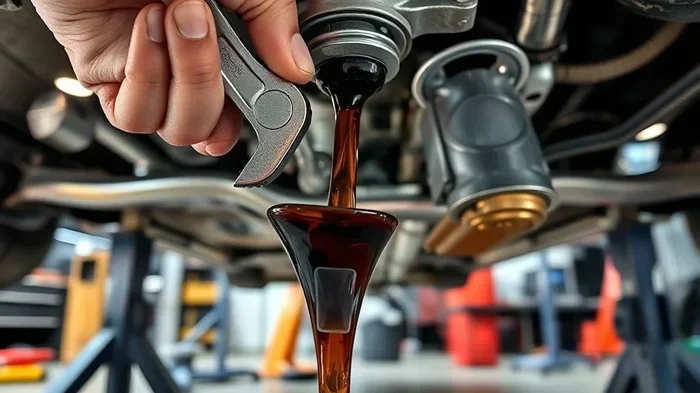
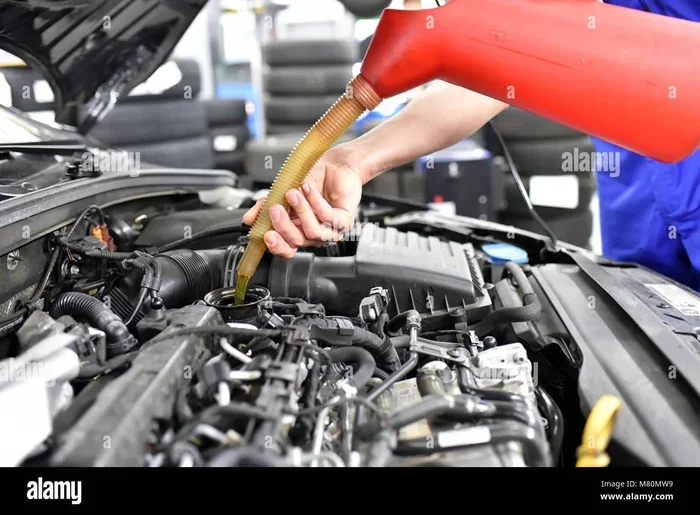
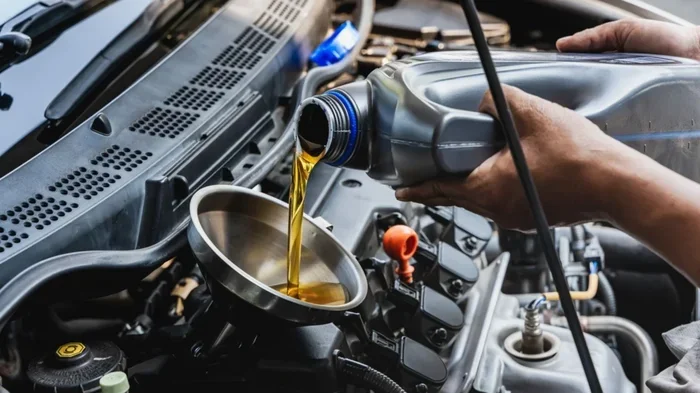
Before we compare prices, let us look at what you are actually paying for. An oil change price is not just about dumping old oil and pouring new oil in. Several things factor into the final number.
- Motor oil: The type and amount of oil your engine needs. Full synthetic costs more than conventional.
- Oil filter: A new oil filter replacement is included in most oil changes.
- Labor: The time and skill required to perform the service.
- Shop overhead: Rent, equipment, insurance, and staff costs at the service location.
- Parts markup: Some shops add a percentage on top of the cost of parts.
When you understand these pieces, the price difference between a dealership and an independent shop starts to make more sense. The labor rates alone can vary wildly depending on where you go.
Average Oil Change Prices Across Different Locations
Here is a general idea of what you might pay for a standard oil change in 2024. Keep in mind that prices vary by region, vehicle type, and oil kind.
- Dealership service center: $70 to $150 for a synthetic oil change
- Independent mechanic: $40 to $90 for a synthetic oil change
- Quick lube shop: $30 to $60 for a conventional or synthetic blend
- DIY at home: $25 to $50 for the oil and filter alone
As you can see, the oil change cost at a dealership sits at the higher end of the range. But the gap is not always as wide as it looks. Let us dig into why that is.
Dealership Oil Changes: What You Are Paying For
Certified Technicians and Specialized Training
One of the biggest reasons Are Dealerships More Expensive for Oil Changes comes down to the people doing the work. Dealership technicians go through manufacturer-specific training. They earn certifications from the automaker. They also have access to proprietary diagnostic tools and updated technical bulletins.
For a complex vehicle with advanced engine technology, this training matters. A certified technician at a dealership knows the exact oil change interval for your specific model. They understand the quirks of your engine that a generalist might miss.
OEM Parts and Genuine Components
Dealerships use Original Equipment Manufacturer parts. That means the oil filter, gaskets, and motor oil meet the exact specifications set by your car’s manufacturer. If your vehicle requires a specific oil type — say, a special synthetic blend for a turbocharged engine — the dealership will have it on hand.
Some people worry that aftermarket parts are lower quality. In many cases, that is not true. But OEM parts do come with a guarantee from the manufacturer. For owners who want peace of mind, this matters.
The Service Advisor Experience
At a dealership, you interact with a service advisor. This person manages your service appointment, reviews your vehicle’s maintenance history, and recommends additional services. A good service advisor helps you stay on top of your maintenance schedule without overpaying for unnecessary work.
However, some dealerships have been known to upsell. They might recommend a transmission flush or a fuel system cleaning that you do not actually need. This is where being an informed car owner pays off.
Independent Shops vs Dealerships
What Independent Mechanics Offer
Independent mechanics are often the underdogs in the car maintenance cost conversation. But they bring real value to the table. Many independent shops have decades of combined experience. Some specialize in specific brands or models.
Here is what you typically get at an independent shop:
- Lower labor rates: Independent shops have lower overhead costs than dealerships.
- Flexible pricing: Many independents will work with your budget and offer payment options.
- Personal relationships: You often see the same mechanic every time, building trust over years.
- Aftermarket parts: Quality aftermarket parts can save you money without sacrificing performance.
The oil change cost at an independent shop is almost always lower. But the quality of service can be just as high — sometimes higher — if you find a reputable shop.
Where Dealerships Have the Edge
Let us be fair. Dealerships are not more expensive for no reason. They offer several advantages that independent shops cannot always match.
- Brand-specific expertise: A Ford dealership knows Ford vehicles inside and out.
- Warranty maintenance: If your car is under warranty, the dealership follows the manufacturer’s guidelines exactly.
- Full service records: Everything gets logged in the manufacturer’s system, which helps with resale value.
- Recall and technical updates: Dealerships are the first to know about recalls and service bulletins.
If you drive a newer vehicle with a warranty maintenance plan, the dealership is often the safer choice. Missing a required service at the dealership could void your warranty in some cases.
Quick Tips to Save Money on Oil Changes
Saving money on your next oil change does not mean sacrificing quality. Here are some practical tips that actually work.
- Check your owner’s manual: Know your recommended oil change interval and oil type before you walk in.
- Ask for an itemized quote: Request a breakdown of parts and labor so you can see where your money goes.
- Compare prices online: Many dealerships and shops list their service pricing on their websites.
- Look for coupons: Dealerships and independent shops both offer promotional discounts on oil changes.
- Consider a quick lube for routine changes: If your vehicle is older and out of warranty, a reputable quick lube can handle simple oil changes well.
- Buy your own oil and filter: Some shops will let you supply your own parts and just charge for labor. This can cut the cost significantly.
These small steps add up over time. Staying on top of your vehicle maintenance budget is easier when you have a few tricks up your sleeve.
When Dealership Oil Changes Make Sense
Not every situation calls for the cheapest option. There are clear times when going to the dealership for your oil change is the right move.
Your car is under warranty. This is the number one reason to stick with the dealership. If something goes wrong during an oil change and your warranty is still active, the dealership handles the issue. An independent shop might not have the same accountability.
You have a luxury or performance vehicle. High-end cars like BMWs, Mercedes, and Porsches often require specific synthetic oil change procedures. The dealership has the right equipment and expertise to handle these vehicles properly.
You plan to sell or trade in the car. Full service records from the dealership boost your vehicle’s resale value. Buyers and dealers trust documented maintenance from the manufacturer.
Your vehicle has complex engineering. Some modern cars have oil change sensors and systems that only dealership software can reset. Trying to DIY or go to a general shop might leave a warning light on.
Common Mistakes People Make With Oil Changes
Skipping Oil Changes to Save Money
This is the worst mistake you can make. Skipping an oil change leads to dirty, degraded oil that stops lubricating your engine properly. The result? Expensive engine damage that costs thousands to fix. The oil change cost at any location is tiny compared to a rebuilt engine.
Using the Wrong Oil Type
Not every car needs full synthetic oil. But every car needs the right oil type for its engine. Using the wrong viscosity or formulation can reduce engine protection and even trigger warning lights. Always check your owner’s manual before choosing an oil.
Ignoring the Oil Filter
Some shops cut corners by reusing oil filters or installing cheap aftermarket filters. A clogged or low-quality oil filter lets contaminants circulate through your engine. Always insist on a new, quality oil filter replacement with every change.
Not Tracking Your Maintenance
If you switch between a dealership and an independent shop, make sure your records follow you. Keep receipts and log every service in a maintenance app or notebook. This helps you stay on track with your maintenance schedule and proves your care history if you ever sell the car.
Expert Insights on Oil Change Decisions
We asked several auto industry professionals about the oil change cost debate. Here is what they had to say.
“The biggest myth I hear is that dealerships overcharge for basic services like oil changes. The truth is, they charge more because they offer more — certified staff, OEM parts, and manufacturer-backed service records. For most new car owners, that extra cost is worth it.” — Mark T., ASE Certified Master Technician with 20 years of experience.
“If a customer’s car is out of warranty and has low mileage, I always recommend an independent shop. The savings are real, and the quality of service has improved dramatically in the independent sector over the last decade.” — Sarah L., Automotive Consultant and Former Dealership Service Manager.
Both experts agree on one thing: staying consistent with your oil changes matters more than where you go. A missed oil change at the dealership is worse than a timely oil change at a trusted independent shop.
Key Takeaways
- Dealerships charge more: You typically pay 20 to 50 percent more for an oil change at a dealership compared to an independent shop.
- OEM parts and certified technicians: Dealerships use genuine manufacturer parts and trained specialists who know your specific vehicle.
- Warranty protection matters: If your car is under warranty, using the dealership for routine maintenance can protect your coverage.
- Independent shops save money: A quality independent mechanic can deliver excellent results at a fraction of the cost.
- Oil type affects price: Whether you need a synthetic oil change or conventional oil impacts the final bill at any location.
- Timing is everything: Following your maintenance schedule and not skipping oil changes saves you from costly engine repairs later.
- Ask questions: Always request an itemized estimate so you know exactly what you are paying for at any service center.
Conclusion
So, Are Dealerships More Expensive for Oil Changes? Yes, they generally are. But the higher price comes with real benefits — certified technicians, OEM parts, and a full service history that protects your warranty and your resale value. If you drive a newer car under warranty, the dealership is often the smarter choice despite the extra cost.
On the other hand, if your vehicle is older, out of warranty, or a simple daily driver, an independent mechanic can save you real money without sacrificing quality. The key is finding a reputable shop with honest technicians who care about your car.
Whatever you choose, do not skip or delay your oil change. That small oil change cost is one of the best investments you can make in your vehicle’s long-term health. Keep up with your routine maintenance, use the right oil type, and your engine will thank you for years to come.
Take a few minutes today to check your maintenance schedule and book your next oil change. Your future self — and your engine — will be glad you did.
Frequently Asked Questions
How much more do dealerships charge for an oil change?
Dealerships typically charge 20 to 50 percent more than independent shops for the same type of oil change. The exact difference depends on your vehicle, the oil type needed, and the dealership’s labor rates. Always ask for an itemized quote so you can compare apples to apples.
Does going to a dealership void my manufacturer warranty?
No. The Magnuson-Moss Warranty Act protects your right to choose where you get maintenance done. However, if you use aftermarket parts or skip required services, the manufacturer could deny a related warranty claim. Always keep detailed records of all maintenance performed.
Can I use aftermarket oil and filters at the dealership?
Some dealerships will accept aftermarket parts, but they may not warranty the work done with non-OEM components. If staying strict with manufacturer guidelines matters to you, ask the service advisor before bringing your own parts.
How often should I get an oil change?
Most modern vehicles need an oil change every 5,000 to 7,500 miles when using full synthetic oil. Older vehicles or those using conventional oil may need changes every 3,000 to 5,000 miles. Check your owner’s manual for the exact oil change interval recommended for your car.
Is it worth going to the dealership for an older car?
Generally, no. If your car is older and out of warranty, an independent mechanic or a quality quick lube shop can handle oil changes just as well at a lower cost. Dealerships make the most sense for newer vehicles with active warranties or complex engineering.
What is the difference between synthetic and conventional oil?
Synthetic oil is engineered for superior engine protection and lasts longer than conventional oil. It handles extreme temperatures better and reduces engine wear over time. Conventional oil is cheaper but needs to be changed more frequently. The right choice depends on your vehicle and driving conditions.