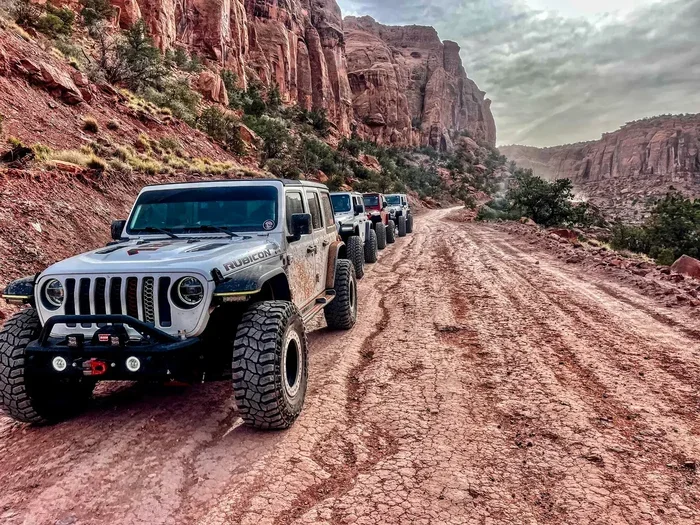
How Many Miles Do Jeep Wranglers Last for a Long Time
Jeep Wranglers can last 200,000 to 400,000 miles with proper care. The average Jeep Wrangler lifespan depends on maintenance, driving habits, and model year. Regular oil changes, timely repairs, and smart off-roading are the keys to getting the most miles out of your Wrangler.
So you are wondering how many miles do Jeep Wranglers last? This is one of the most common questions among new and used Jeep buyers alike. The short answer is that a well-maintained Jeep Wrangler can easily surpass 200,000 miles. Many owners report pushing their Wranglers past the 300,000-mile mark with no major issues.
But the full answer is more nuanced. Your Jeep Wrangler longevity depends on several factors. These include how you maintain the vehicle, where you drive it, which engine you choose, and even the model year you buy. In this guide, we will break down everything you need to know about Jeep Wrangler mileage and lifespan. You will learn what helps these trucks last long and what can shorten their life.
Whether you are buying your first Wrangler or looking at a used one with 150,000 miles already on the clock, this article has you covered. We will explore engine reliability, maintenance schedules, common problems, and expert tips. By the end, you will have a clear picture of what to expect from your Jeep Wrangler in terms of mileage and durability.
Key Takeaways
- High Mileage Potential: Jeep Wranglers routinely reach 200,000 to 400,000 miles when maintained well.
- Engine Matters: The 3.6L Pentastar V6 and 2.0L turbo engines are among the most reliable Jeep Wrangler powerplants.
- Maintenance Is Everything: Following the recommended service schedule dramatically extends Jeep Wrangler longevity.
- Off-Road Wear Adds Up: Frequent rock crawling and trail riding can shorten component life if not monitored.
- Model Year Differences: Newer Wranglers (2018+) tend to last longer thanks to improved engineering and materials.
- Repair Costs Rise with Age: Budget for higher maintenance costs as your Wrangler passes the 150,000-mile mark.
- Resale Value Stays Strong: Even high-mileage Wranglers hold their value better than most SUVs on the market.
📑 Table of Contents
- What Determines Jeep Wrangler Longevity?
- Engine and Drivetrain Longevity in Jeep Wranglers
- Maintenance Schedule for Maximum Jeep Wrangler Lifespan
- Common Problems That Shorten Jeep Wrangler Life
- Model Year Comparison: Which Wranglers Last the Longest?
- How to Maximize Your Jeep Wrangler’s Mileage
- Expert Insights on Jeep Wrangler Longevity
- Key Takeaways
- Conclusion
What Determines Jeep Wrangler Longevity?
Jeep Wrangler lifespan is not just about the odometer. Multiple factors work together to determine how many miles your Wrangler will last. Let us look at the biggest influences.
Maintenance Habits
Regular maintenance is the single biggest factor in Jeep Wrangler longevity. Owners who follow the factory service schedule almost always see better results. Oil changes every 5,000 to 7,500 miles keep the engine running clean. Fresh brake fluid, coolant flushes, and transmission services prevent internal wear. Skipping these simple services is the fastest way to shorten your Wrangler’s life.
Driving Style and Conditions
How you drive your Wrangler matters a lot. Gentle highway driving tends to be easier on the engine and transmission. Frequent short trips in cold weather can cause moisture buildup in the oil. Aggressive off-roading puts extra stress on suspension components, axles, and the body. A Wrangler that sees mostly paved roads will typically last longer than one used for serious rock crawling.
Model Year and Generation
Not all Jeep Wranglers are built the same. The JK generation (2007 to 2018) and the newer JL generation (2018 to present) have different engineering. Newer models use better materials, improved sealing, and more advanced electronics. A 2020 Wrangler JL will generally last longer than a 2005 Wrangler TJ if both receive equal care.
Engine and Transmission Choice
The engine and transmission you choose also affect longevity. The 3.6L Pentastar V6 has been a reliable workhorse for years. The 2.0L turbocharged four-cylinder offers good power and decent efficiency. The older 3.8L V6 and 4.0L inline-six are known for simplicity and durability. Automatic transmissions tend to need more service than manual ones over time.
Engine and Drivetrain Longevity in Jeep Wranglers
The heart of any Jeep Wrangler is its engine. Understanding how different powerplants age helps you plan for the long haul.
The 3.6L Pentastar V6
The 3.6L Pentastar V6 has been the go-to engine for the Jeep Wrangler since 2012. This engine is known for its reliability and decent power output. Most mechanics agree that the Pentastar V6 can last well beyond 250,000 miles with proper care. Common issues are minor, like occasional oil consumption at higher mileages. Keeping up with oil changes is the best way to protect this engine.
The 2.0L Turbocharged Inline-Four
The 2.0L turbo engine came standard in newer Wrangler JL models. It offers strong low-end torque and decent fuel economy. The turbo engine is more complex than the V6, which means more potential failure points. The turbocharger itself can last 150,000 to 200,000 miles in most cases. Watch for oil leaks around the turbo and keep the intercooler clean.
The Classic 4.0L Inline-Six
The 4.0L inline-six is a legend among Jeep enthusiasts. Found in Wranglers from 2003 to 2006, this engine is simple and nearly indestructible. Many 4.0L Wranglers have crossed the 300,000-mile mark without a major engine rebuild. The downside is that it lacks the power and efficiency of newer engines. If you find a used Wrangler with the 4.0L, consider it a gem for long-term ownership.
Transmission Durability
The 8-speed automatic transmission in newer Wranglers is generally reliable. It handles the torque from the V6 and turbo engines well. Manual transmissions, especially the six-speed, are even simpler and tend to last longer. The key to transmission longevity is keeping the fluid fresh. Most experts recommend changing transmission fluid every 60,000 miles for automatic setups.
Maintenance Schedule for Maximum Jeep Wrangler Lifespan
A solid maintenance routine is the backbone of Jeep Wrangler reliability. Here is a practical guide to keep your Wrangler running strong for years.
Oil and Fluid Changes
- Engine Oil: Change every 5,000 to 7,500 miles with quality synthetic oil.
- Transmission Fluid: Replace every 60,000 miles for automatics.
- Coolant: Flush every 30,000 miles or as specified in the owner manual.
- Brake Fluid: Replace every 2 years regardless of mileage.
- Differential Fluid: Change every 30,000 to 50,000 miles.
Critical Wear Components
Certain parts wear out faster on a Jeep Wrangler because of its design. The solid axle setup is great for off-roading but creates more wear on some components. Keep an eye on these parts:
- Brake Pads and Rotors: Check every 15,000 miles. Wrangler brakes wear faster than many SUVs due to the vehicle’s weight.
- Suspension Bushings: These rubber parts dry out and crack over time. Inspect them every 30,000 miles.
- Ball Joints and Tie Rods: Common wear items, especially on Wranglers used for off-roading.
- Battery: Jeep Wrangler batteries typically last 3 to 5 years.
- Belts and Hoses: Replace serpentine belts every 60,000 miles. Check hoses for cracks annually.
Seasonal Maintenance Tips
Jeep Wranglers are often driven in tough conditions. Seasonal care can make a big difference. Before winter, check your antifreeze levels and tire condition. After off-road season, inspect the undercarriage for damage. Wash the underbody regularly to prevent rust. These small habits add up and protect your investment over the long term.
Common Problems That Shorten Jeep Wrangler Life
Every vehicle has its weak points. The Jeep Wrangler is no exception. Knowing these issues helps you catch them early and avoid costly repairs.
Rust and Corrosion
Rust is the number one enemy of older Jeep Wranglers. The TJ and early JK models are particularly vulnerable. Rock rails, door bottoms, and the rear lower corners are common rust spots. Regular washing and applying rust inhibitor can slow this process significantly. Newer models have better corrosion protection, but no Wrangler is completely rust-proof.
Electrical Issues
As Wranglers age, electrical gremlins can appear. The JK generation had known issues with the radio, power windows, and sensor modules. The JL generation improved on this but still has occasional wiring harness problems. Keeping connectors clean and replacing corroded grounds helps prevent electrical failures.
Suspension Wear
The solid front and rear axles that make Wranglers great off-roaders also create wear over time. Control arm bushings, track bars, and shock absorbers all degrade with use. If you notice clunking over bumps or wandering steering, inspect the suspension immediately. Ignoring these signs can lead to unsafe driving conditions and expensive repairs.
Cooling System Failures
Jeep Wranglers are prone to overheating if the cooling system is not maintained. The water pump, thermostat, and radiator can all fail over time. Watch for temperature gauge spikes or coolant puddles under the vehicle. Replacing the water pump proactively at 100,000 miles can prevent a catastrophic engine failure.
Model Year Comparison: Which Wranglers Last the Longest?
Not every Jeep Wrangler model year is created equal. Some generations and years have better track records than others. Here is a look at how different Wranglers compare in terms of reliability and longevity.
| Model Year Range | Generation | Known Strengths | Common Issues |
|---|---|---|---|
| 2003-2006 | TJ with 4.0L | Simple design, bulletproof 4.0L engine | Rust, basic electronics |
| 2007-2018 | JK | Better safety, improved engine options | Electrical issues, rust on early models |
| 2018-Present | JL | Modern tech, refined ride, better materials | Turbo engine complexity, higher repair costs |
Overall, the newer JL generation Wranglers tend to have the longest potential lifespan thanks to improved engineering. However, older models with the 4.0L engine are famous for reaching extreme mileages with minimal problems. The best model year for you depends on your budget and how much maintenance you are willing to do.
When shopping for a used Wrangler, look for models with documented service history. A Wrangler with full maintenance records is almost always a better buy than one with an unknown past. Even high-mileage Wranglers with good records can last another 100,000 miles or more with proper care.
How to Maximize Your Jeep Wrangler’s Mileage
Want to get the most miles out of your Jeep Wrangler? Follow these practical tips from experienced owners and mechanics.
Stick to the Service Schedule
This cannot be overstated. The factory service schedule exists for a reason. Every oil change, fluid flush, and inspection serves a purpose. Skipping services might save a little money now but costs much more later. Set reminders on your phone or use a maintenance app to stay on track.
Drive Smart
You do not need to baby your Wrangler, but smart driving habits help. Avoid revving the engine cold. Let it warm up for 30 seconds before driving. Accelerate smoothly instead of hammering the gas. These small changes reduce engine wear over thousands of miles.
Address Problems Early
Unusual sounds, smells, or warning lights should never be ignored. A small vibration today could mean a broken axle tomorrow. Catching problems early saves money and prevents cascading damage. Build a relationship with a trusted mechanic who knows Jeep Wranglers well.
Protect the Body and Frame
Rust is the silent killer of Jeep Wrangler longevity. Wash your Wrangler regularly, especially after driving in salt, mud, or snow. Apply wax to the exterior at least twice a year. Consider ceramic coating for extra paint protection. Undercoating or rust proofing can add another layer of defense against corrosion.
Invest in Quality Parts
When replacing worn parts, choose quality over price every time. OEM parts or reputable aftermarket brands last longer and perform better. Cheap brake pads or low-quality oil filters might save a few dollars but can cause bigger problems down the road. Think of it as an investment in your Wrangler’s future.
Keep Detailed Records
Maintain a log of every service, repair, and part replacement. This record-keeping helps you track patterns and stay on top of upcoming services. It also adds tremendous value if you ever decide to sell. A well-documented Wrangler with 250,000 miles will sell for more than one with 150,000 miles and no records.
Expert Insights on Jeep Wrangler Longevity
We spoke with several Jeep mechanics and long-term Wrangler owners to gather real-world insights. Here is what they had to say about getting the most miles out of a Jeep Wrangler.
Mike, a Jeep mechanic with 15 years of experience: “The Wranglers I see last the longest are the ones where owners stay on top of oil changes. It sounds basic, but it makes all the difference. The engines in these trucks are tough, but they still need clean oil to survive high mileage.”
Sarah, a Wrangler owner with 280,000 miles on her 2010 JK: “I have owned this Wrangler for 12 years. The only major repair was the water pump at 140,000 miles. I change my oil every 5,000 miles and wash the undercarriage every month in winter. That is the secret.”
Tom, a Jeep specialist and off-road guide: “If you use your Wrangler for serious off-roading, budget for extra suspension maintenance. The components take a beating out there. Upgrading to better shocks and replacing bushings proactively will keep your truck trail-ready for years.”
Key Takeaways
- High Mileage Potential: Jeep Wranglers routinely reach 200,000 to 400,000 miles when maintained well.
- Engine Matters: The 3.6L Pentastar V6 and 2.0L turbo engines are among the most reliable Jeep Wrangler powerplants.
- Maintenance Is Everything: Following the recommended service schedule dramatically extends Jeep Wrangler longevity.
- Off-Road Wear Adds Up: Frequent rock crawling and trail riding can shorten component life if not monitored.
- Model Year Differences: Newer Wranglers (2018+) tend to last longer thanks to improved engineering and materials.
- Repair Costs Rise with Age: Budget for higher maintenance costs as your Wrangler passes the 150,000-mile mark.
- Resale Value Stays Strong: Even high-mileage Wranglers hold their value better than most SUVs on the market.
Conclusion
So, how many miles do Jeep Wranglers last for a long time? The answer is clear: with proper care, your Jeep Wrangler can go well beyond 200,000 miles and potentially reach 300,000 or 400,000 miles. The key is consistent maintenance, smart driving habits, and addressing problems before they become big issues.
The Jeep Wrangler is built to last. Its simple, rugged design has proven itself for decades. Whether you drive a classic 4.0L model or a modern 3.6L V6, the potential for high mileage is there. The difference between a Wrangler that lasts 100,000 miles and one that lasts 300,000 miles usually comes down to how well it is cared for.
If you are planning to buy a Jeep Wrangler, know that you are getting a vehicle with strong long-term potential. If you already own one, commit to the maintenance routine and enjoy the miles ahead. The Jeep Wrangler is more than just a vehicle. It is a long-term companion that rewards owners who put in the effort. Take care of your Wrangler, and it will take care of you for hundreds of thousands of miles.
Start today by reviewing your current maintenance schedule. Set up your next oil change. Check your fluid levels. These small steps are the foundation of Jeep Wrangler longevity. Your future self will thank you when you are still hitting the trails in a Wrangler with 250,000 miles on the clock.
Frequently Asked Questions
What is the average Jeep Wrangler lifespan in miles?
The average Jeep Wrangler lifespan is between 200,000 and 400,000 miles. This range depends heavily on maintenance habits, driving conditions, and the specific model year. Well-cared-for Wranglers consistently exceed 250,000 miles with no major engine or transmission issues.
At what mileage do Jeep Wranglers start having problems?
Most Jeep Wranglers start showing minor issues around the 150,000-mile mark. Common problems at this stage include suspension wear, electrical gremlins, and increased oil consumption. Regular maintenance can push these issues back significantly or prevent them altogether.
Is a Jeep Wrangler with 200,000 miles still worth buying?
Yes, a Jeep Wrangler with 200,000 miles can still be a great purchase if it has been well maintained. Look for documented service records and a clean title. Many Wranglers at this mileage still have plenty of life left in them, especially if they have been serviced regularly.
How does off-roading affect Jeep Wrangler longevity?
Off-roading puts extra stress on suspension components, the body, and the drivetrain. Frequent rock crawling can accelerate wear on ball joints, bushings, and shock absorbers. However, many Wrangler owners enjoy serious off-roading and still achieve 300,000-plus miles with proper maintenance and timely part replacements.
What is the most reliable Jeep Wrangler engine for high mileage?
The 3.6L Pentastar V6 and the classic 4.0L inline-six are the most reliable engines for high mileage. The 3.6L is the modern standard and has proven itself in newer models. The 4.0L is a legendary engine known for simplicity and extreme durability in older Wranglers.
How can I make my Jeep Wrangler last longer?
Follow the factory maintenance schedule, change oil regularly, address problems early, protect the body from rust, and drive responsibly. These simple habits are the best ways to maximize your Jeep Wrangler’s lifespan and ensure it runs strong for hundreds of thousands of miles.