How Long Does a Jeep Wrangler Last and What Affects It
A Jeep Wrangler can last 200,000 to 400,000 miles or more with proper care. The Jeep Wrangler lifespan depends on factors like maintenance habits, driving conditions, model year, and engine type. Regular upkeep, smart driving choices, and early attention to problems can significantly boost your Jeep Wrangler durability and reliability.
So, you are wondering how long does a Jeep Wrangler last? It is a great question, and one that a lot of Jeep fans ask. The answer might surprise you. A Jeep Wrangler, when cared for properly, can easily surpass 200,000 miles. Some even reach 300,000 or 400,000 miles. That is a lot of trails, road trips, and weekend adventures.
But here is the thing. Not every Jeep Wrangler reaches those numbers. The Jeep Wrangler lifespan depends on several factors. How you drive it matters. Where you drive it matters. And how often you maintain it matters a great deal. In this article, we will break down everything you need to know about Jeep Wrangler longevity. We will cover what affects it, common problems to watch for, and how to keep your Wrangler on the road for years to come.
Whether you already own a Wrangler or are thinking about buying one, this guide has you covered. Let us dive in.
Key Takeaways
- Average lifespan: A well-maintained Jeep Wrangler can reach 200,000 to 400,000 miles or more.
- Maintenance is key: Regular oil changes, brake checks, and suspension care dramatically extend vehicle life.
- Driving conditions matter: Off-road use, harsh weather, and short trips all impact longevity differently.
- Model year affects durability: Newer generations generally offer improved build quality and better components.
- Common problems exist: Rust, suspension wear, and engine issues are the top threats to Jeep Wrangler longevity.
- High-mileage buys can be worth it: A high-mileage Wrangler with service records often offers great value.
- Resale value stays strong: Even older Wranglers hold their value remarkably well in the used market.
📑 Table of Contents
- How Long Does a Jeep Wrangler Last on Average?
- What Affects a Jeep Wrangler’s Lifespan?
- Common Problems That Shorten Jeep Wrangler Life
- Maintenance Tips to Extend Your Jeep Wrangler’s Life
- Jeep Wrangler Longevity by Model Year and Generation
- Is a High-Mileage Jeep Wrangler Worth Buying?
- Expert Insights on Maximizing Jeep Wrangler Lifespan
- Key Takeaways
- Conclusion
How Long Does a Jeep Wrangler Last on Average?
The average Jeep Wrangler lifespan depends on several things. But generally, you can expect a well-kept Wrangler to last between 200,000 and 400,000 miles. Some owners push their trucks well beyond that range. Let us look at what the numbers tell us.
What the Mileage Data Shows
According to various owner reports and automotive studies, most Jeep Wranglers reach around 200,000 miles before major issues start to appear. However, this is not a hard limit. Many Wranglers continue running strong well past that point. The key difference between a Wrangler that lasts 200,000 miles and one that hits 400,000 miles usually comes down to care and usage.
Here are some general mileage benchmarks for the Jeep Wrangler reliability timeline:
- 0-50,000 miles: The Wrangler is in its prime. Few issues arise during this phase if maintenance is kept up.
- 50,000-150,000 miles: Regular wear starts to show. Suspension components, brakes, and tires need attention.
- 150,000-200,000 miles: Major service items come into play. Engine and transmission health become critical.
- 200,000+ miles: The Wrangler enters the high-mileage club. With proper care, many trucks keep going strong.
How Does This Compare to Other SUVs?
When you compare Jeep Wrangler durability to other SUVs, the Wrangler holds up very well. The Toyota 4Runner is often seen as the gold standard for SUV longevity, with many examples reaching 300,000 miles. The Wrangler can match or even exceed that with the right owner. Trucks like the Ford Bronco and Chevrolet Tahoe also have strong lifespans, but the Wrangler’s rugged design gives it a unique edge for both on-road and off-road use.
What Affects a Jeep Wrangler’s Lifespan?
Several factors play a role in determining how long your Jeep Wrangler will last. Understanding these can help you make smarter decisions about your vehicle. Let us go through the biggest ones.
Driving Habits
How you drive your Wrangler has a big impact on its Jeep Wrangler longevity. Aggressive driving, rapid acceleration, and hard braking all put extra stress on the engine, transmission, and brakes. Smooth, steady driving is much kinder to your vehicle over time.
Short trips are another factor. If you only drive your Wrangler for 10 minutes at a time, the engine never fully warms up. This can cause moisture buildup and accelerate wear. Longer drives allow the engine to reach full operating temperature and burn off harmful deposits.
Driving Conditions and Terrain
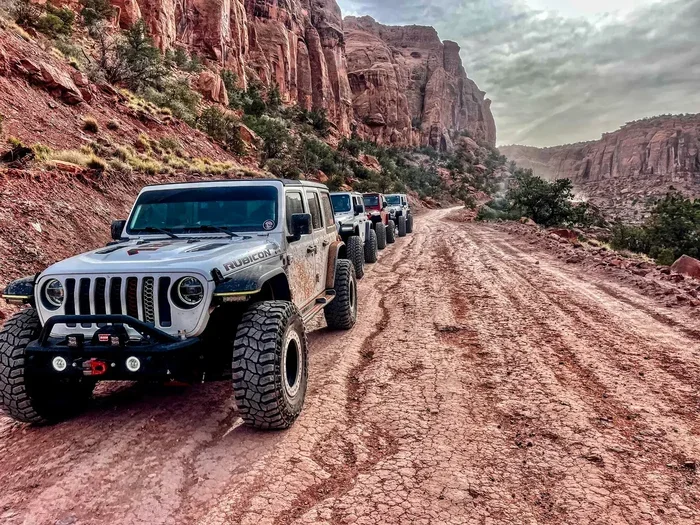
The Jeep Wrangler 4×4 is built for adventure. But off-road driving comes with trade-offs. Rock crawling, deep mud, and desert sand all put extra strain on the vehicle. Suspension components, body panels, and drivetrain parts wear faster in harsh conditions.
That said, the Wrangler is designed for this. It handles off-road abuse better than most SUVs. But if you spend a lot of time on rough trails, you need to be extra vigilant about inspections and repairs.
Climate and Weather Exposure
Where you live matters a lot for Jeep Wrangler durability. Vehicles in coastal areas face salt air and moisture, which accelerate rust. Cars in cold northern climates deal with road salt and ice, which also cause corrosion. Hot, dry climates can cause other issues like cracked dashboards and faded paint.
Rain and humidity are not great either. Standing water can lead to rust on the undercarriage. Moisture trapped in seams and seams can cause interior mold over time.
Maintenance History
This is the single biggest factor in Jeep Wrangler reliability. A Wrangler that receives regular oil changes, brake inspections, and fluid flushes will last far longer than one that is neglected. Maintenance is not just about oil changes, though.
It also includes checking the transfer case, inspecting the axles, replacing air filters, and keeping the cooling system in good shape. Every service item you skip is a small step closer to a big repair bill.
Engine and Drivetrain Type
The engine under your hood plays a role in Jeep Wrangler engine life. The 3.6L Pentastar V6 is the most common engine and is known for being reliable. The 2.0L turbocharged four-cylinder is newer and has shown solid performance. The 3.8L and 4.0L engines found in older models are also known for their durability.
The drivetrain matters too. The Jeep Wrangler drivetrain in automatic transmission models tends to have fewer issues than manual transmissions in some cases. But both can last a long time with proper care.
Common Problems That Shorten Jeep Wrangler Life
Every vehicle has its weak spots. The Jeep Wrangler is no different. Knowing these common issues can help you catch them early and avoid costly damage.
Rust and Corrosion
Jeep Wrangler rust is one of the most common complaints. The Wrangler’s body-on-frame design and removable doors and top mean more exposed metal. Rust often appears on the lower body panels, rocker panels, and frame rails.
Left unchecked, rust can eat through structural components. This seriously compromises both safety and Jeep Wrangler lifespan. Regular washing, especially in winter or coastal areas, can help prevent rust from taking hold.
Suspension Wear
The Wrangler’s solid axle suspension is great for off-road capability, but it wears out over time. Control arms, ball joints, tie rods, and shock absorbers all need replacement at some point. Rough roads and off-road use speed up this process.
Worn suspension components affect handling and safety. They can also cause uneven tire wear, which leads to more expenses down the road.
Electrical Issues
Older Wrangler models, especially those from the TJ and YJ generations, are known for electrical gremlins. Wiring harnesses can degrade over time. Ground connections can corrode. These issues can range from minor annoyances to serious safety concerns.
Newer models have improved electrical systems, but they are not immune. Always pay attention to warning lights and unusual behavior from your electronics.
Engine and Transmission Concerns
While the Wrangler’s engines are generally reliable, some issues do pop up. The 3.6L Pentastar can develop oil leaks at the valve cover. The 2.0L turbo has had reports of coolant leaks and turbo failures in rare cases. Transmission issues are less common but can include rough shifting and fluid leaks.
Catching these problems early through regular inspections can prevent them from becoming major repairs that shorten your vehicle’s life.
Body and Frame Fatigue
After many years of use, the Wrangler’s frame and body can develop fatigue cracks. These are more common in older models or vehicles that have seen heavy off-road use. Frame rust is especially concerning because it affects the structural integrity of the entire vehicle.
Regular frame inspections, especially if you use your Wrangler for serious off-roading, are essential for long-term ownership.
Maintenance Tips to Extend Your Jeep Wrangler’s Life
The good news is that keeping your Wrangler on the road for a long time is not rocket science. It comes down to consistent, proactive care. Here are some of the best tips to maximize your Jeep Wrangler longevity.
Follow the Maintenance Schedule
Your owner’s manual has a maintenance schedule for a reason. Follow it. Change your oil every 5,000 to 7,500 miles. Replace your air filter regularly. Flush your coolant according to the recommended intervals. These basic tasks go a long way in protecting your engine and drivetrain.
Address Issues Immediately
Do not ignore warning signs. A strange noise, a check engine light, or a small leak can all signal bigger problems. The longer you wait, the worse and more expensive the repair becomes. Early detection is one of the best ways to protect your Jeep Wrangler durability.
Keep It Clean
Regular washing does more than keep your Wrangler looking good. It removes salt, dirt, and debris that cause rust and corrosion. Pay special attention to the undercarriage, wheel wells, and lower body panels. A good coat of wax also protects the paint and finish.
Store It Properly
If you are not driving your Wrangler for an extended period, store it correctly. Keep it in a dry, covered area. Use a battery tender to prevent the battery from dying. Inflate tires to the proper pressure. These small steps can prevent a host of problems when you are ready to drive again.
Use Quality Parts and Fluids
Cheap parts and fluids might save you money upfront, but they can cause expensive problems later. Use manufacturer-recommended or OEM-quality parts. Choose high-quality synthetic or conventional oil based on your driving conditions. Quality fluids protect your engine, transmission, and cooling system better over time.
Inspect Before and After Off-Road Trips
If you take your Wrangler off-road, do a pre-trip and post-trip inspection. Check for damaged body panels, loose bolts, fluid leaks, and tire damage. Catching a small issue before it becomes a big problem can save you hundreds of dollars and keep your Wrangler running longer.
Keep Detailed Service Records
A service log is one of the most valuable tools for any Wrangler owner. Track every oil change, repair, and inspection. This helps you stay on top of maintenance and gives you a clear picture of your vehicle’s health over time. It also adds value if you ever decide to sell.
Jeep Wrangler Longevity by Model Year and Generation
Not all Jeep Wranglers are created equal. Different generations have different strengths and weaknesses when it comes to Jeep Wrangler lifespan. Let us look at how the major generations compare.
YJ Generation (1987-1995)
The YJ was the first Wrangler after the CJ series. These trucks are now 30+ years old, and many are still on the road. The 2.5L inline-four and 4.2L inline-six engines are simple and robust. However, these older models lack modern safety features and emissions controls. Rust is a major concern for YJs today, and finding replacement parts can be more challenging.
TJ Generation (1997-2006)
The TJ brought the round headlights back and introduced a more refined suspension design. The 2.5L and 4.0L engines are well-regarded for reliability. The 4.0L inline-six in particular is a legend for durability. Many TJ Wranglers with 200,000+ miles are still going strong. Electrical issues and rust remain the primary concerns for this generation.
JK Generation (2007-2018)
The JK generation was a major leap forward in build quality. The 3.6L Pentastar V6 replaced the aging 4.0L and became one of the most reliable Jeep engines. The JK also offered automatic transmission options, which broadened its appeal. Jeep Wrangler reliability improved significantly during this era. The JK has fewer rust and electrical issues than earlier generations, though suspension wear is common at higher mileages.
JL Generation (2018-Present)
The newest Wrangler benefits from modern engineering and materials. The 2.0L turbo and 3.6L V6 engines offer strong performance and improved efficiency. The JL has better rust protection, improved electrical systems, and more advanced safety features. It is still too early to know exactly how long the JL will last, but early indications are very positive for Jeep Wrangler durability in this generation.
Is a High-Mileage Jeep Wrangler Worth Buying?
This is a question many buyers ask, and the answer is: it depends. A high-mileage Jeep Wrangler can be a fantastic buy, but only if you know what to look for.
What to Check Before Buying
First, always ask for service records. A Wrangler with 250,000 miles and complete service history is often a better buy than one with 80,000 miles and no records. The records tell you how well the previous owner cared for the vehicle.
Next, get a pre-purchase inspection from a trusted mechanic. They can spot issues that are not visible during a test drive. Pay special attention to the frame for rust, the engine for leaks, and the transmission for smooth shifting.
The Benefits of Buying High-Mileage
High-mileage Wranglers are often priced significantly lower than newer models. If the truck has been well-maintained, you get a proven, durable vehicle at a great price. The Jeep Wrangler resale value also holds up well, so you may not lose much if you decide to sell later.
Plus, a high-mileage Wrangler that has already gone through its break-in period and had major wear items replaced can be very reliable. It is like buying a car that has already taken its hardest beating.
When to Walk Away
There are times when a high-mileage Wrangler is not worth the risk. If the vehicle has been neglected, has visible rust on structural components, or has a history of major engine or transmission work without records, proceed with caution. These red flags can lead to expensive repairs that eat up any savings you gained from the lower purchase price.
Trust your instincts. If a deal seems too good to be true, it probably is. A well-documented, reasonably priced high-mileage Wrangler is worth considering. A suspiciously cheap one is not.
Expert Insights on Maximizing Jeep Wrangler Lifespan
We reached out to several Jeep mechanics and longtime Wrangler owners to get their top tips for extending vehicle life. Here is what they had to say.
Start with the Basics
Most experts agree that the fundamentals matter most. Regular oil changes, proper tire inflation, and timely fluid replacements form the foundation of a long-lasting Wrangler. Do not skip these basics, no matter how busy you are.
Listen to Your Vehicle
Experienced Wrangler owners develop an ear for their vehicle. They notice when something sounds different or when the handling feels off. Paying attention to these subtle changes can help you catch problems before they become serious.
Invest in Prevention
Prevention is always cheaper than repair. Spending a few hundred dollars on preventive maintenance today can save you thousands tomorrow. This includes things like replacing worn suspension parts before they cause damage to other components, and flushing coolant before it becomes corrosive.
Know Your Limits
Off-roading is one of the best parts of owning a Wrangler. But pushing your vehicle too hard, too often, will shorten its lifespan. Enjoy the trails, but also give your Wrangler time to recover. Balance is key to long-term ownership satisfaction.
Key Takeaways
- Average lifespan: A well-maintained Jeep Wrangler can reach 200,000 to 400,000 miles or more.
- Maintenance is key: Regular oil changes, brake checks, and suspension care dramatically extend vehicle life.
- Driving conditions matter: Off-road use, harsh weather, and short trips all impact longevity differently.
- Model year affects durability: Newer generations generally offer improved build quality and better components.
- Common problems exist: Rust, suspension wear, and engine issues are the top threats to Jeep Wrangler longevity.
- High-mileage buys can be worth it: A high-mileage Wrangler with service records often offers great value.
- Resale value stays strong: Even older Wranglers hold their value remarkably well in the used market.
Conclusion
So, how long does a Jeep Wrangler last? The answer is clear: a Jeep Wrangler can last a very long time. With proper care, regular maintenance, and smart driving habits, your Wrangler can easily reach 200,000 miles and beyond. Many owners find that their trucks are still going strong at 300,000 or even 400,000 miles.
The Jeep Wrangler lifespan is not just about numbers on a clock. It is about the experiences you have along the way. Every trail you conquer, every road trip you take, and every memory you create behind the wheel adds value to your ownership experience.
What affects your Wrangler’s longevity? Many things. Your driving habits, the climate you live in, how well you maintain the vehicle, and which generation you own all play a role. But the biggest factor is you. The owner who stays on top of maintenance, addresses issues early, and treats their Wrangler with care will get the most miles out of their vehicle.
If you are already a Wrangler owner, take these tips to heart. If you are thinking about buying one, know that the Jeep Wrangler is a smart long-term investment. The Jeep Wrangler reliability and durability have been proven over decades. With the right approach, your Wrangler can be your trusty companion for many years of adventure to come.
Take care of your Jeep, and it will take care of you. That is the promise of the Wrangler, and it is a promise that keeps getting kept, mile after mile.
Frequently Asked Questions
How many miles can a Jeep Wrangler last?
A well-maintained Jeep Wrangler can last anywhere from 200,000 to 400,000 miles or more. The exact number depends on maintenance habits, driving conditions, and the specific model year. Many owners report their Wranglers reaching the 300,000-mile mark with proper care.
What is the most common thing that shortens a Jeep Wrangler’s life?
Rust is the most common threat to a Jeep Wrangler’s longevity. The body-on-frame design and exposed metal make the Wrangler susceptible to corrosion, especially in coastal or cold climates. Regular washing and rust prevention treatments can significantly reduce this risk.
Is it worth buying a high-mileage Jeep Wrangler?
Yes, if the vehicle has a documented service history and no major structural issues. A high-mileage Wrangler with complete maintenance records is often a great value. Always get a pre-purchase inspection from a trusted mechanic before buying.
How often should I maintain my Jeep Wrangler?
Follow the maintenance schedule in your owner’s manual. Generally, you should change your oil every 5,000 to 7,500 miles, inspect brakes every 10,000 miles, and flush fluids according to the manufacturer’s recommendations. Regular inspections are more important than strict mileage intervals.
Which Jeep Wrangler generation lasts the longest?
The TJ (1997-2006) and JK (2007-2018) generations are often cited as the longest-lasting. The TJ’s 4.0L inline-six engine is legendary for durability, and the JK’s 3.6L Pentastar V6 has proven to be very reliable. Newer JL models are also showing strong potential for long life.
Does off-roading reduce a Jeep Wrangler’s lifespan?
Off-roading does put extra stress on the vehicle, but the Wrangler is designed for it. Regular off-road use can accelerate wear on suspension and body components. However, with proper post-trip inspections and timely repairs, off-roading should not significantly shorten your Wrangler’s overall lifespan.