Ford Focus Wont Start but Has Power: Causes and Fixes
When your Ford Focus won’t start but has power, it can be frustrating and confusing. The most common culprits include a faulty starter motor, dead battery, bad ignition switch, or fuel pump failure. This guide walks you through every possible cause and fix so you can get back on the road quickly and safely.
There’s nothing worse than turning the key or pressing the button on your Ford Focus and hearing… nothing. Or maybe you hear a click, or the dashboard lights up, but the engine just refuses to turn over. You know the car has power because the radio works and the lights come on, yet your Ford Focus won’t start but has power. It’s one of the most common and confusing problems car owners face.
This issue happens more often than you might think. Whether you drive a first-generation Focus or a newer model, the Ford Focus starting problems can stem from a handful of root causes. The good news? Most of them are fixable without a trip to the mechanic. In this guide, we’ll break down every possible reason your car has electrical power but won’t fire up, and we’ll give you clear, step-by-step solutions for each one.
By the time you finish reading, you’ll know exactly what to check, what parts to replace, and when it’s time to call for backup. Let’s dive in and get your Focus running again.
Key Takeaways
- Electrical issues are the #1 cause: A weak battery, corroded terminals, or bad starter relay often leads to a Ford Focus not starting even with power.
- Fuel system problems matter too: A failing fuel pump or clogged filter can stop your car from starting despite having full electrical power.
- DIY diagnosis is possible: You can check your battery, starter, and ignition switch at home with basic tools and a little patience.
- Don’t ignore warning signs: Clicking noises, dim lights, or a dash that won’t fully light up are red flags you should address immediately.
- Professional help has its place: Complex issues like immobilizer faults or internal engine damage need a certified mechanic.
- Prevention saves money: Regular maintenance keeps your Ford Focus starting reliably for years to come.
📑 Table of Contents
- Why Does Your Ford Focus Have Power But Won’t Start?
- Common Causes When Your Ford Focus Won’t Start But Has Power
- How to Diagnose the Problem Yourself
- Step-by-Step Fixes for Ford Focus Starting Issues
- Preventing Future Starting Problems on Your Ford Focus
- When to Call a Professional Mechanic
- Key Takeaways
- Conclusion
Why Does Your Ford Focus Have Power But Won’t Start?
Understanding the basics of how a car starts helps you figure out what’s going wrong. When you turn the key or push the start button, several systems need to work together. The battery sends power to the starter motor, which cranks the engine. The fuel pump delivers gas to the engine, and the ignition system creates the spark that lights the fuel. If any one of these pieces fails, your car won’t start even though everything else still has electricity.
When we say your Ford Focus has power but won’t start, we mean the electrical systems are alive. The dashboard lights up, the radio plays, and the headlights work. But the engine itself doesn’t crank or fire. This distinction is important because it narrows down the list of possible causes. You’re dealing with a starting system issue, not a total electrical failure.
The Difference Between “No Crank” and “Cranks but Won’t Start”
Not all starting problems are the same. A no-crank condition means you turn the key and hear nothing at all. Or maybe you hear a single click. The engine doesn’t turn over. A cranks-but-won’t-start condition means the engine turns over but just won’t catch and run. Both situations involve your Ford Focus having power, but the causes and fixes are different. We’ll cover both in this article so you can identify which one matches your problem.
Common Causes When Your Ford Focus Won’t Start But Has Power
Let’s get into the meat of the matter. Here are the most frequent reasons your Ford Focus ignition problem happens. Each one includes symptoms to help you narrow it down fast.
1. Dead or Weak Battery
Even though your dashboard lights work, your battery might not have enough juice to crank the engine. A weak car battery can power lights and the radio but fall short when the starter motor demands a big burst of energy. This is especially common in cold weather or if your car has been sitting for a while.
Look for these signs:
- Slow or no cranking when you turn the key
- Dim dashboard lights that flicker
- Corroded battery terminals with a white or greenish buildup
- Battery warning light on the dashboard
2. Faulty Starter Motor
The starter motor is the workhorse that cranks your engine. When it goes bad, you might hear a single click or a grinding noise, but the engine won’t turn over. Ford Focus starter motor failure is a well-known issue, especially in higher-mileage vehicles. The starter wears out over time, and eventually it just stops engaging.
Common symptoms of a bad starter include:
- A loud click when you turn the key but no cranking
- Grinding or whirring sounds from the engine bay
- The engine doesn’t respond at all when you try to start
- Intermittent starting problems that come and go
3. Bad Ignition Switch
The ignition switch is the part that sends the signal from your key to the car’s electrical system. When it fails, your Ford Focus electrical issues can look like a battery problem even when the battery is perfectly fine. The switch wears out internally and can’t complete the circuit needed to start the engine.
Watch for these clues:
- The key feels loose or wiggles in the ignition
- Dashboard lights flicker when you turn the key
- The car starts sometimes but not other times
- Accessories like the radio work but the engine won’t crank
4. Fuel Pump Failure
Your engine needs fuel to run. The fuel pump pushes gas from the tank to the engine. When the pump dies, your car has plenty of electrical power but no fuel reaching the combustion chamber. Ford Focus fuel pump problems are a common reason for a car that cranks but won’t start. The pump can fail due to age, a clogged fuel filter, or running the tank too low too often.
Signs of a failing fuel pump:
- Engine cranks but won’t fire no matter how many times you try
- The car stalls suddenly while driving
- You notice a whining noise coming from the rear seat area
- Loss of power when accelerating under load
5. Neutral Safety Switch Problems
The neutral safety switch prevents your Ford Focus from starting unless the transmission is in Park or Neutral. When this switch goes bad, your car might not start even though everything else works fine. This is a simple and often overlooked fix. Sometimes the switch just needs adjustment or replacement.
Try this quick test: shift the gear selector to Neutral and try starting the car again. If it starts in Neutral but not in Park, the neutral safety switch is likely your problem.
6. Immobilizer System Malfunction
Modern Ford Focus models come with an immobilizer system that prevents theft. The system reads a chip in your key fob or key. If the chip isn’t being recognized, the car will have power but won’t start. You might see a flashing security light on the dashboard. This can happen if the key fob battery is dead or if the immobilizer module has a glitch.
Common immobilizer issues include:
- The security light stays on or flashes after you turn the key
- The car starts sometimes but not other times
- A new or spare key doesn’t work
- The key fob battery is low or dead
7. Faulty Ignition Relay or Fuse
Sometimes the problem is as simple as a blown fuse or a bad relay. The ignition relay sends power to the starter motor and fuel pump. If it fails, your Ford Focus won’t turn over even with a healthy battery. Check your owner’s manual to locate the fuse box and inspect the ignition relay and related fuses.
How to Diagnose the Problem Yourself
Before you spend money on parts you don’t need, it helps to narrow down the cause. Diagnosing a Ford Focus not starting problem is easier than most people think. You don’t need to be a mechanic. A few basic tools and a logical approach will get you most of the way there.
Step 1: Check the Battery
Grab a multimeter and test the battery voltage. A healthy battery should read around 12.6 volts when the car is off. If it reads below 12 volts, the battery might be weak or dead. Even if the battery is new, check the terminals for corrosion. Clean them with a baking soda and water solution if you see any buildup.
Step 2: Listen for the Starter
Turn the key to the “On” position and then to “Start.” Listen carefully. Do you hear a single click? That often points to a starter relay or starter motor issue. Do you hear nothing at all? The problem might be the ignition switch or a wiring issue. Do you hear a rapid clicking? That usually means the battery doesn’t have enough power.
Step 3: Check the Fuel Pump
Turn the key to the “On” position without starting the engine. You should hear a brief hum or whir from the back of the car. That’s the fuel pump priming. If you don’t hear anything, the fuel pump or its relay might be bad. You can also check the fuel pressure with a gauge if you have one.
Step 4: Test the Ignition Switch
Wiggle the key in the ignition while trying to start. If the car starts intermittently when you move the key around, the ignition switch is likely worn out. You can also test for voltage at the switch with a multimeter to confirm the diagnosis.
Step 5: Check for Error Codes
An OBD-II scanner is a handy tool for any car owner. Plug it into the diagnostic port under your dashboard and read any error codes. Codes related to the immobilizer, crankshaft position sensor, or fuel system can point you directly to the problem. Many auto parts stores will read codes for free if you don’t have a scanner.
Step-by-Step Fixes for Ford Focus Starting Issues
Once you’ve identified the cause, it’s time to fix it. Here are practical solutions for the most common problems we covered above.
Fixing a Dead or Weak Battery
If your battery is the issue, you have a few options. You can jump-start the car using jumper cables and another vehicle. Once the car is running, let it idle for at least 20 minutes to recharge the battery. If the battery is more than three to five years old, consider replacing it. A new Ford Focus battery costs between $100 and $200 at most auto parts stores.
Quick Tip: Keep a portable jump starter in your trunk. It’s a lifesaver when you’re stranded and there’s no one around to help.
Replacing a Faulty Starter Motor
Replacing a starter motor is a job you can do at home if you have basic mechanical skills. You’ll need a socket set, a wrench, and about an hour of time. Disconnect the negative battery cable, locate the starter motor (usually on the passenger side of the engine), unbolt it, and disconnect the wiring. Install the new starter and reverse the process.
If you’re not comfortable doing it yourself, a mechanic will typically charge between $200 and $400 for parts and labor. The starter motor itself costs around $80 to $150.
Fixing the Ignition Switch
Replacing an ignition switch on a Ford Focus is straightforward. You’ll need to remove the steering column covers, disconnect the electrical connector, and unbolt the old switch. Install the new one and reconnect everything. The part usually costs between $30 and $80, and the job takes about 30 minutes.
Addressing Fuel Pump Issues
A fuel pump replacement is more involved. The pump sits inside the fuel tank, so you’ll need to access it through an access panel in the rear seat or trunk floor. Replace the fuel pump and, if applicable, the fuel filter at the same time. This is a job that takes about two to three hours and costs between $200 and $500 depending on the model year.
Dealing with Immobilizer Problems
If the immobilizer is the issue, try replacing the key fob battery first. That solves the problem more often than you’d think. If that doesn’t work, you may need to reprogram the key or replace the immobilizer module. A dealership or qualified locksmith can handle this for you.
Replacing a Blown Fuse or Relay
Check your owner’s manual to find the ignition relay and related fuses. Swap the relay with one of the same rating to test it. Replace any blown fuses. This is the cheapest and easiest fix on our list and costs just a few dollars.
Preventing Future Starting Problems on Your Ford Focus
The best way to deal with a Ford Focus won’t start situation is to prevent it from happening in the first place. A little regular maintenance goes a long way toward keeping your car reliable.
- Test your battery every six months. Most auto parts stores will do this for free. Replace the battery before it leaves you stranded.
- Keep your fuel tank at least a quarter full. Running on empty can overheat and damage the fuel pump over time.
- Replace the fuel filter on schedule. A clogged filter puts extra strain on the fuel pump and can lead to premature failure.
- Check your battery terminals regularly. Clean off any corrosion with a wire brush and a baking soda solution.
- Don’t ignore warning signs. If your car is slow to start or makes unusual noises, get it checked before it becomes a bigger problem.
- Replace the key fob battery annually. This prevents immobilizer issues before they start.
When to Call a Professional Mechanic
Not every problem is a DIY fix. If you’ve checked the battery, starter, ignition switch, and fuel pump, and your car still won’t start, it’s time to call in the experts. Ford Focus repair professionals have access to specialized diagnostic tools and technical knowledge that can pinpoint problems you might miss.
Call a mechanic if:
- The engine cranks normally but still won’t fire up
- You suspect internal engine damage or a timing belt issue
- You’ve replaced multiple parts and the problem persists
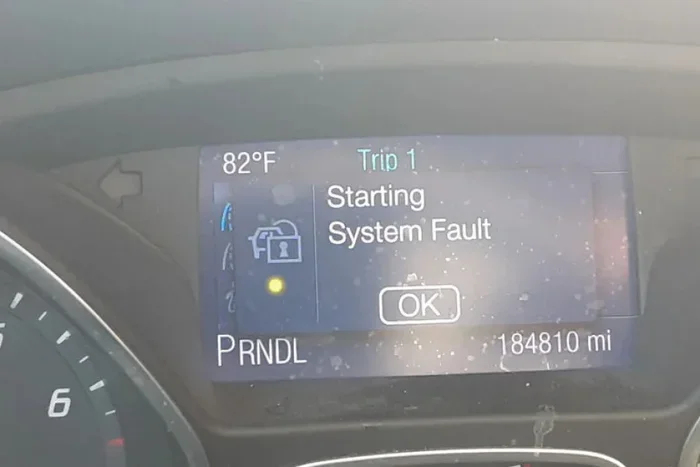
- You see warning lights on the dashboard that won’t go away
- The car won’t start and you don’t feel comfortable working on it
A professional diagnosis typically costs between $75 and $150, which can save you hundreds of dollars in unnecessary part replacements. It’s a smart investment when you’re stuck and don’t know what’s wrong.
Key Takeaways
- A weak battery is the most common cause of a Ford Focus having power but not starting. Even if the lights work, the battery might not have enough cranking amps.
- The starter motor, ignition switch, and fuel pump are the next most common culprits. Each has distinct symptoms that help you narrow down the problem.
- DIY diagnosis is straightforward with a multimeter, an OBD-II scanner, and a logical checklist.
- Most fixes are affordable and can be done at home with basic tools and about an hour of time.
- Regular maintenance prevents most starting problems before they happen. Don’t skip battery checks and fuel filter replacements.
- Know when to call a professional. Complex issues like internal engine damage or immobilizer faults need expert attention.
Conclusion
Dealing with a Ford Focus that won’t start but has power is never fun, but it’s rarely the end of the world. In most cases, the cause is something simple and affordable to fix. A weak battery, a worn starter motor, a failing fuel pump, or a bad ignition switch account for the vast majority of these problems. With the diagnostic steps and fixes we’ve covered, you have everything you need to tackle this issue head-on.
Start with the easiest and cheapest checks first. Test the battery. Listen for the starter. Check the fuel pump hum. Work your way through the list systematically, and you’ll likely find the answer. If you get stuck, don’t hesitate to reach out to a trusted mechanic. The goal is to get you back on the road safely and confidently.
Remember, every car owner should know the basics of troubleshooting. These skills save you time, money, and stress. So the next time your Ford Focus starting problem strikes, you’ll know exactly what to do.
Frequently Asked Questions
Why does my Ford Focus have power but won’t start?
The most common reason is a weak battery, faulty starter motor, bad ignition switch, or fuel pump failure. Your car’s electrical systems work fine, but something in the starting chain isn’t engaging. Check the battery first, then work through the other possible causes listed in this guide.
Can a dead key fob battery cause a Ford Focus not to start?
Yes, absolutely. Modern Ford Focus models use a keyless push-button start system that reads a chip in your key fob. If the fob battery is dead, the car won’t recognize the key and won’t start. Replacing the fob battery usually fixes this immediately.
How do I know if it’s the starter motor or the battery?
Listen carefully when you turn the key. A single loud click usually means the starter motor is bad. Rapid clicking typically means the battery is weak or dead. You can also test the battery voltage with a multimeter. Anything below 12 volts suggests a battery issue.
Is it safe to drive a Ford Focus with a fuel pump problem?
No, it’s not safe. A failing fuel pump can cause the car to stall unexpectedly while driving. If you suspect a fuel pump issue, get it repaired as soon as possible. Driving without a reliable fuel supply can leave you stranded in dangerous situations.
How much does it cost to fix a Ford Focus that won’t start?
The cost depends on the cause. A battery replacement runs $100 to $200, a starter motor fix costs $200 to $400, and a fuel pump replacement can be $200 to $500. Always get a quote from a mechanic before committing to a repair, especially for more expensive parts.
What should I do if my Ford Focus cranks but won’t start?
This usually points to a fuel system or ignition issue. Check if the fuel pump is priming when you turn the key to “On.” Also check for spark by removing a spark plug and grounding it to the engine block while cranking. If there’s no spark, the ignition coil or crankshaft position sensor may be faulty.